

Stepping into Wallmapu to Dialogue with the World: Fu-Mei WU Scholarship Honors Eight Taiwanese Indigenous Youth and Scholars for International Engagement
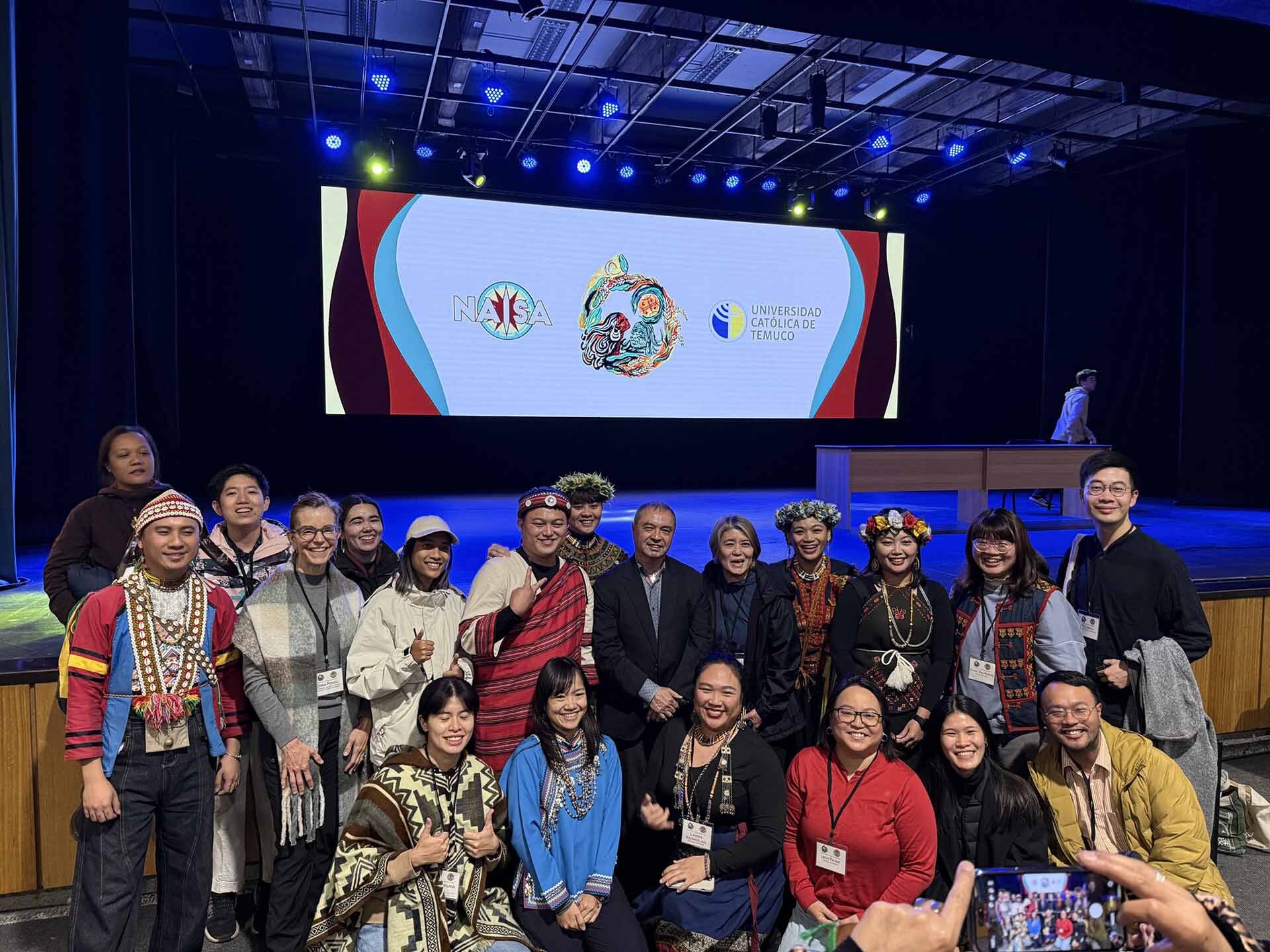
TEMUCO, Chile — The Center for International Indigenous Affairs (CIIA) at National Dong Hwa University honored eight outstanding Taiwanese Indigenous youth, scholars, and practitioners through the Fu-Mei WU Scholarship in 2026. From July 22 to 24, 2026, the recipients traveled to Wallmapu, the traditional territory of the Mapuche people in Temuco, Chile, to participate in the 2026 Annual Meeting of the Native American and Indigenous Studies Association (NAISA).
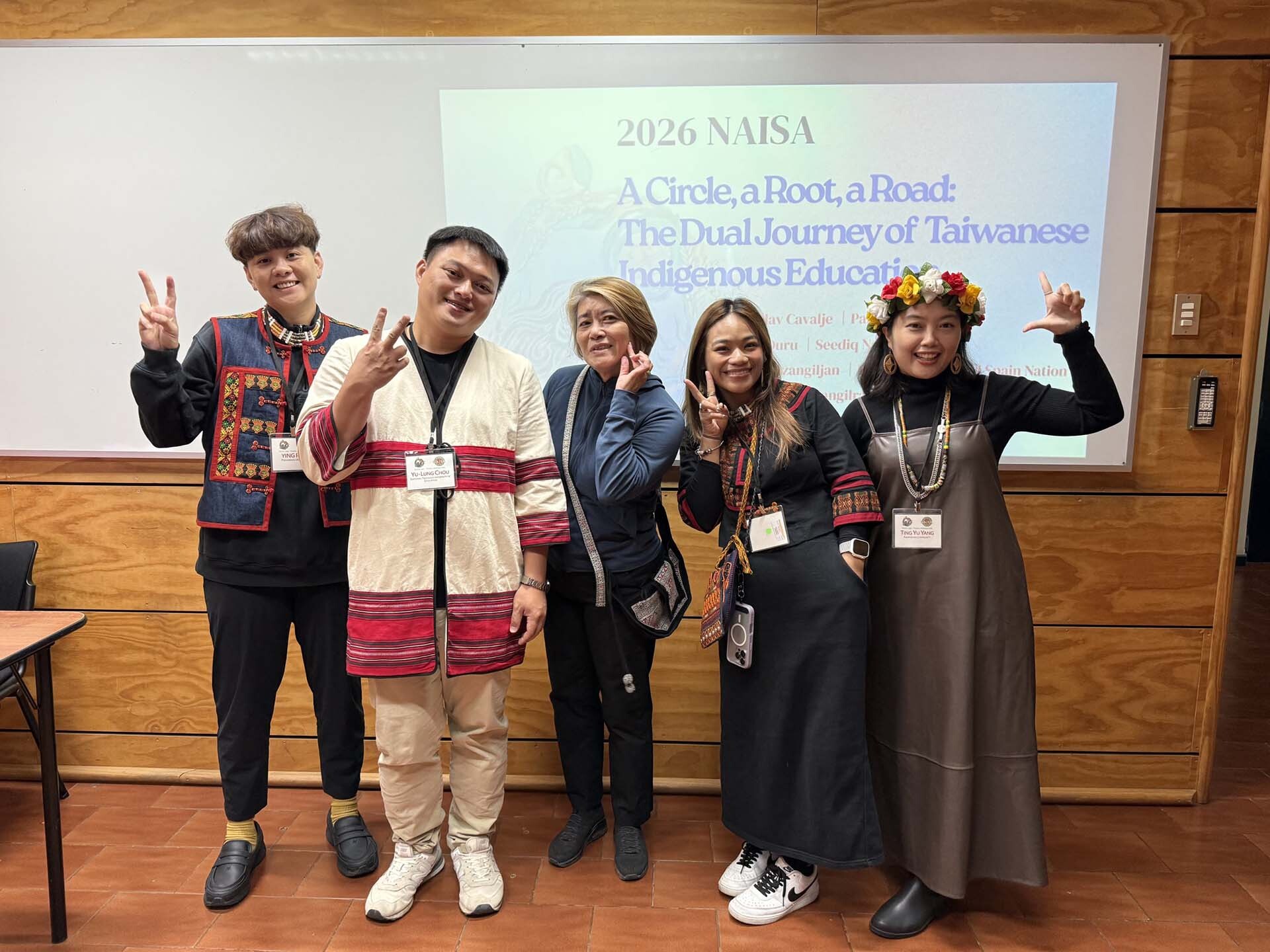
The Fu-Mei WU Scholarship recognizes long-term dedication to Indigenous research, education, cultural preservation, community practice, and public policy. The eight awardees represent diverse fields including tribal education, youth organization, social work, cultural heritage, oral history, forestry and environmental governance, Indigenous health and social welfare, and language rights. NAISA is a premier global interdisciplinary organization for Indigenous studies. Convening in Latin America for the first time under the theme "Memory, Territory, and Movements," the 2026 conference brought together global researchers, knowledge keepers, community workers, artists, and advocates in Wallmapu.
Greeting the World in Indigenous Languages
At the opening ceremony, the Taiwanese delegation was invited by NAISA 2026 President Luis E. Cárcamo-Huechante to deliver greetings in the Bunun, Seediq, and Paiwan languages alongside Indigenous delegate voices from around the globe. Dr. Cárcamo-Huechante, a Mapuche-Huilliche scholar and faculty member at the University of Texas at Austin, emphasized that hosting NAISA in Wallmapu re-grounds global Indigenous dialogues in land, history, memory, and community relationships. The inclusion of Taiwanese Indigenous languages underscored Taiwan's growing visibility and significance in international Indigenous scholarship and solidarity networks.
Eight Scholars Showcase Multidisciplinary Impact
The eight scholarship recipients brought a rich spectrum of Taiwanese Indigenous perspectives and empirical practices to the conference:
Laulav Cavalje (Su-Shan Kao), a Ph.D. student in Social Work at National Taiwan University, presented her research centered on the Paiwan ontology of Isan Caucau ("becoming a complete person"), exchanging insights with local Mapuche educators on holistic care, nature connection, and decolonial education.
Jilu Quru (Yu-Lung Chou), holding a Master's degree in Teacher Professional Development from National Taichung University of Education, presented educational models grounded in tribal core values and community-based practices.
Lrelreng Kadangilran (Ting-Yu Yang), a Master's graduate in Tourism and Leisure Management from National Chiayi University and a tribal youth activist, explored self-determined frameworks reconnecting people, land, and history at the intersection of local development and cultural action.
Idis Kazangiljan (Ying Pan), a Ph.D. candidate in Indigenous Health and Social Welfare at Providence University, shared cross-disciplinary practices linking campus education with health, social welfare, and cultural understanding.
’Avi hlapa’ahlica (Ssu-Kai Chen), a professional conservator at the Taupas Cultural Artifacts Museum in Kaohsiung, engaged in dialogues on language revitalization and cultural preservation challenges faced by small Indigenous populations.
Pi’i salapuana (Chu-Yun Shih), a Master's student in Anthropology at National Taiwan University, discussed oral history and life stories of Hla'alua elders as vital methodologies for cultural transmission and youth connection.
Abus Istasipal (Yi-Chun Cheng), a Master's student in Forestry and Environment at National Taiwan University, examined Indigenous knowledge systems in responding to environmental governance and climate change.
Abus Istasipal (An-Chi Yu), a Master's graduate in Ethnic Development and Social Work at National Dong Hwa University, delivered her presentation in the Bunun language on "Colonial Language Power and Public Decision-Making: A Case Study of FPIC Communication in Tavila Village," emphasizing language rights and Free, Prior, and Informed Consent (FPIC).
Strengthening Global Connections Across the Pacific
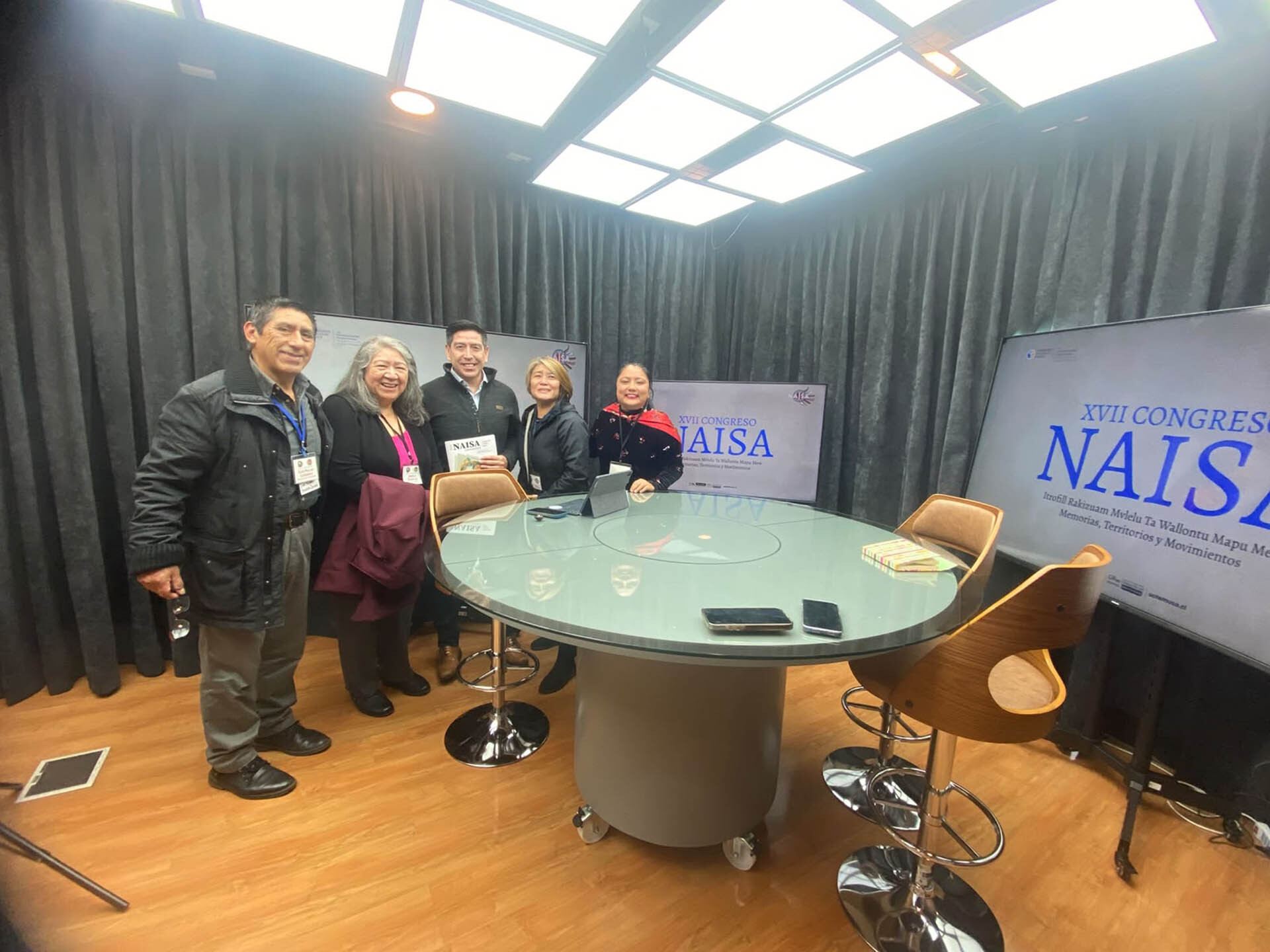
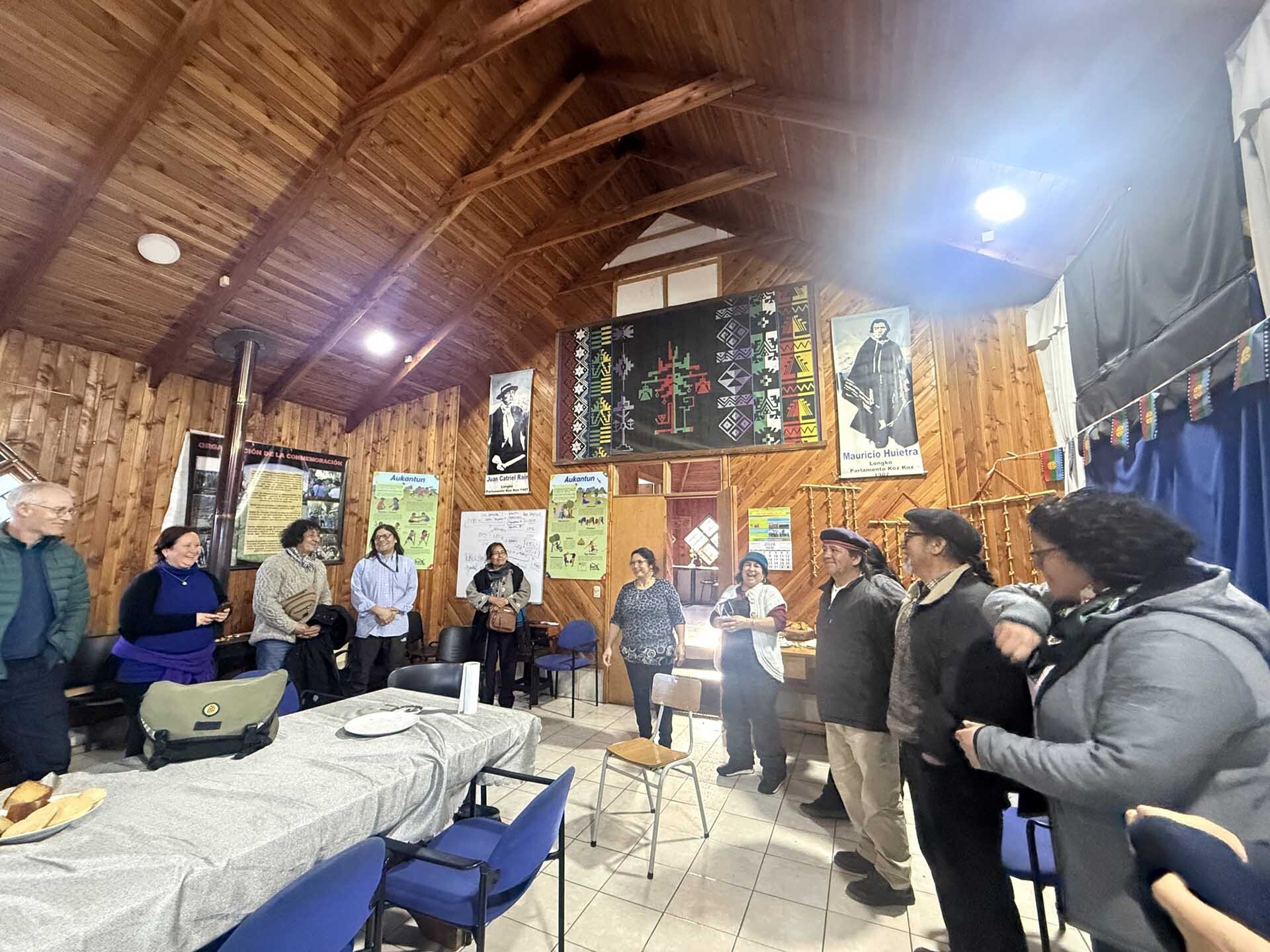
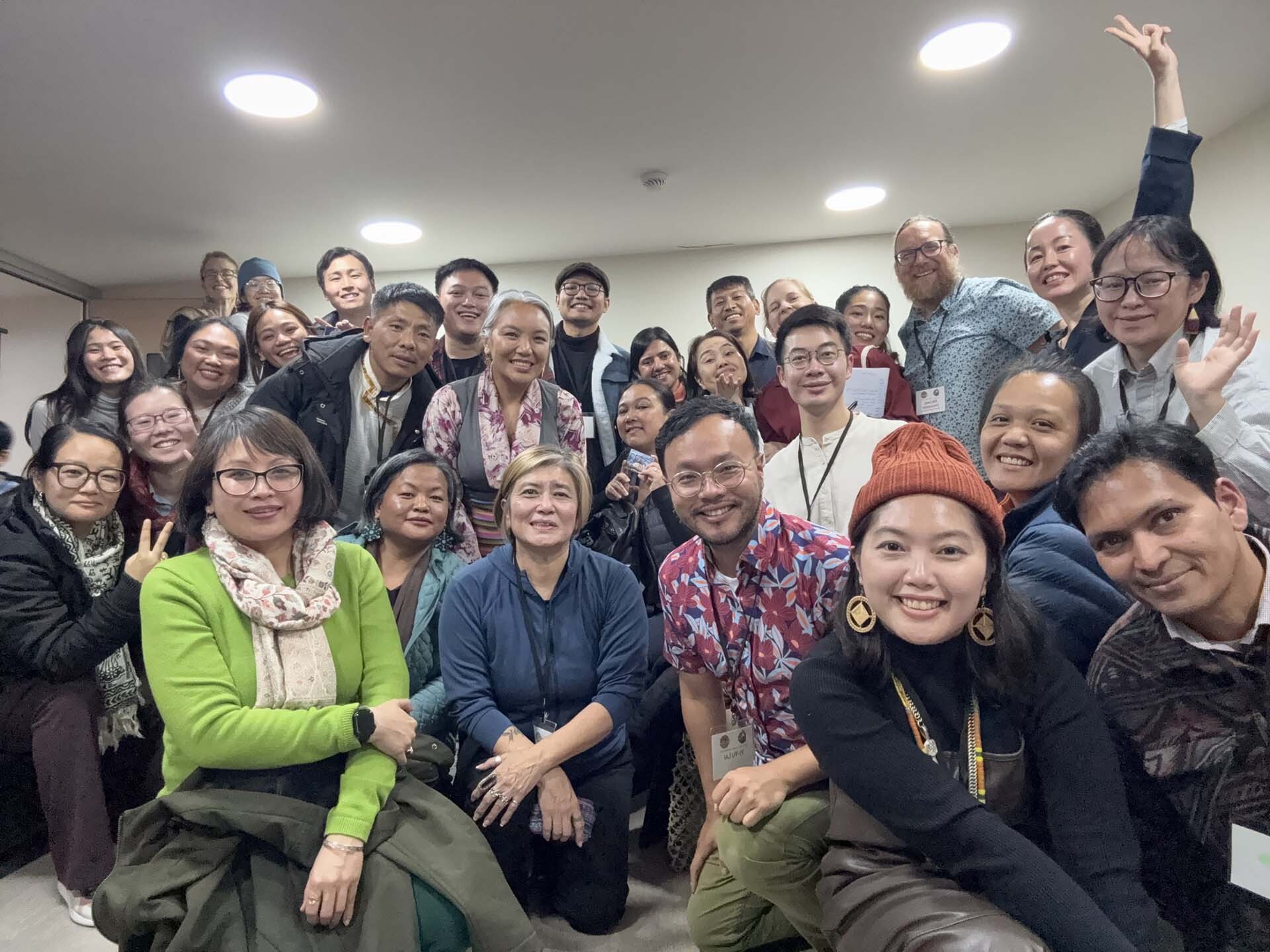
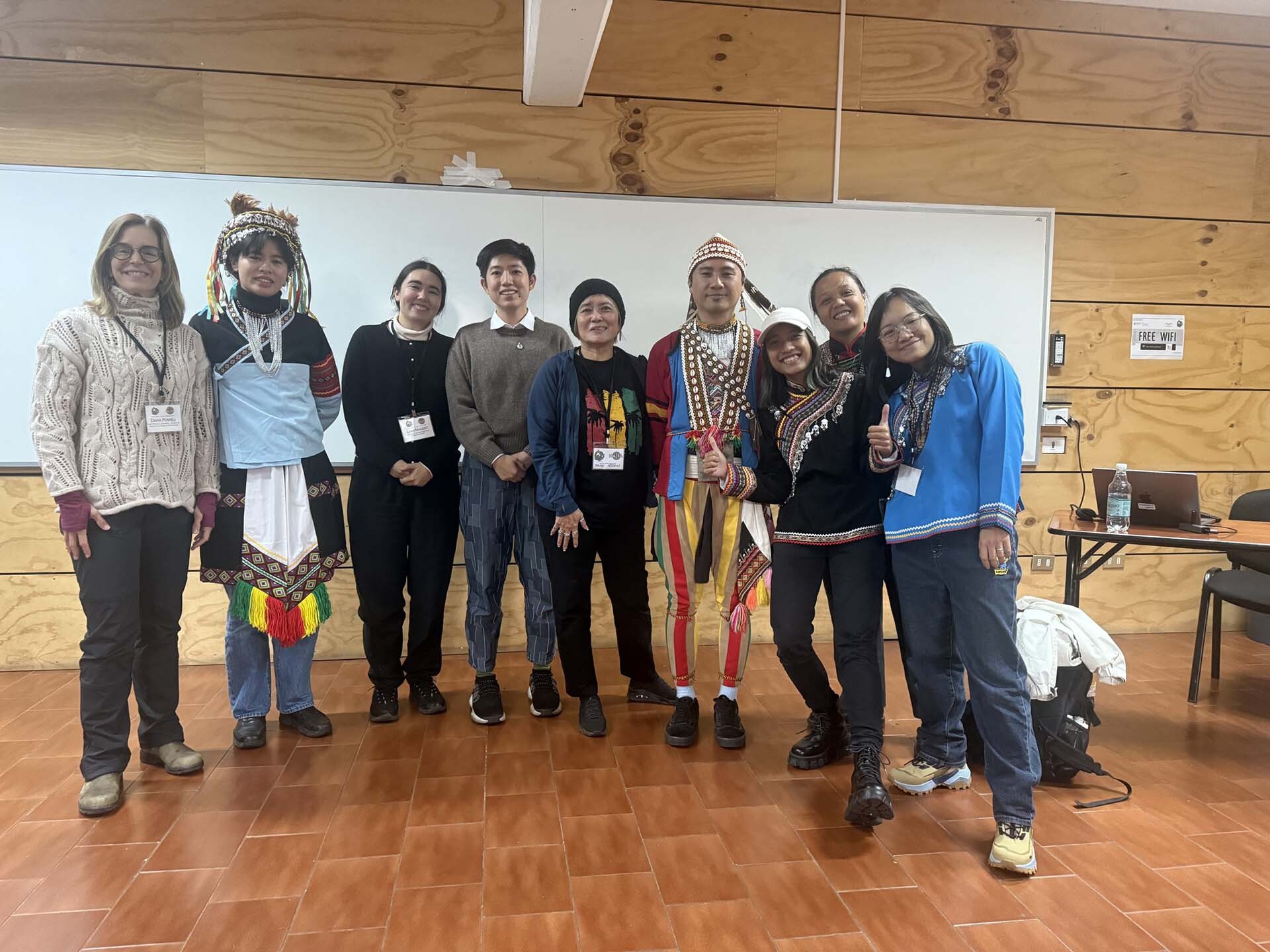
Led by Professor Bavaragh Dagalomai Jolan Hsieh (Siraya), Director of the CIIA at National Dong Hwa University, the delegation engaged in academic sessions, roundtables, workshops, and visits to the local Trañi Trañi Mapuche school. During the conference, Professor Hsieh was interviewed by Chilean local media station, where she discussed Taiwan's experiences in language revitalization, tribal education, FPIC, and land rights. She also advocated for establishing an Asian Indigenous Peoples caucus within NAISA to further unite Indigenous communities across Asia.
"We encourage the younger generation of Indigenous people to come to Wallmapu with their languages, memories, and practices to dialogue with Indigenous communities worldwide," stated Professor Hsieh. "When we listen to each other from our respective lands and histories, international exchange becomes a relationship of equals".
The Fu-Mei WU Scholarship continues to foster international participation and talent development, ensuring that Taiwanese Indigenous youth bring their professional expertise back to their communities while building lasting academic and cultural ties across the Pacific.