

From Colonial Gaze to Self-Representation: CIIA Connects Global Indigenous Perspectives Through Visual Art
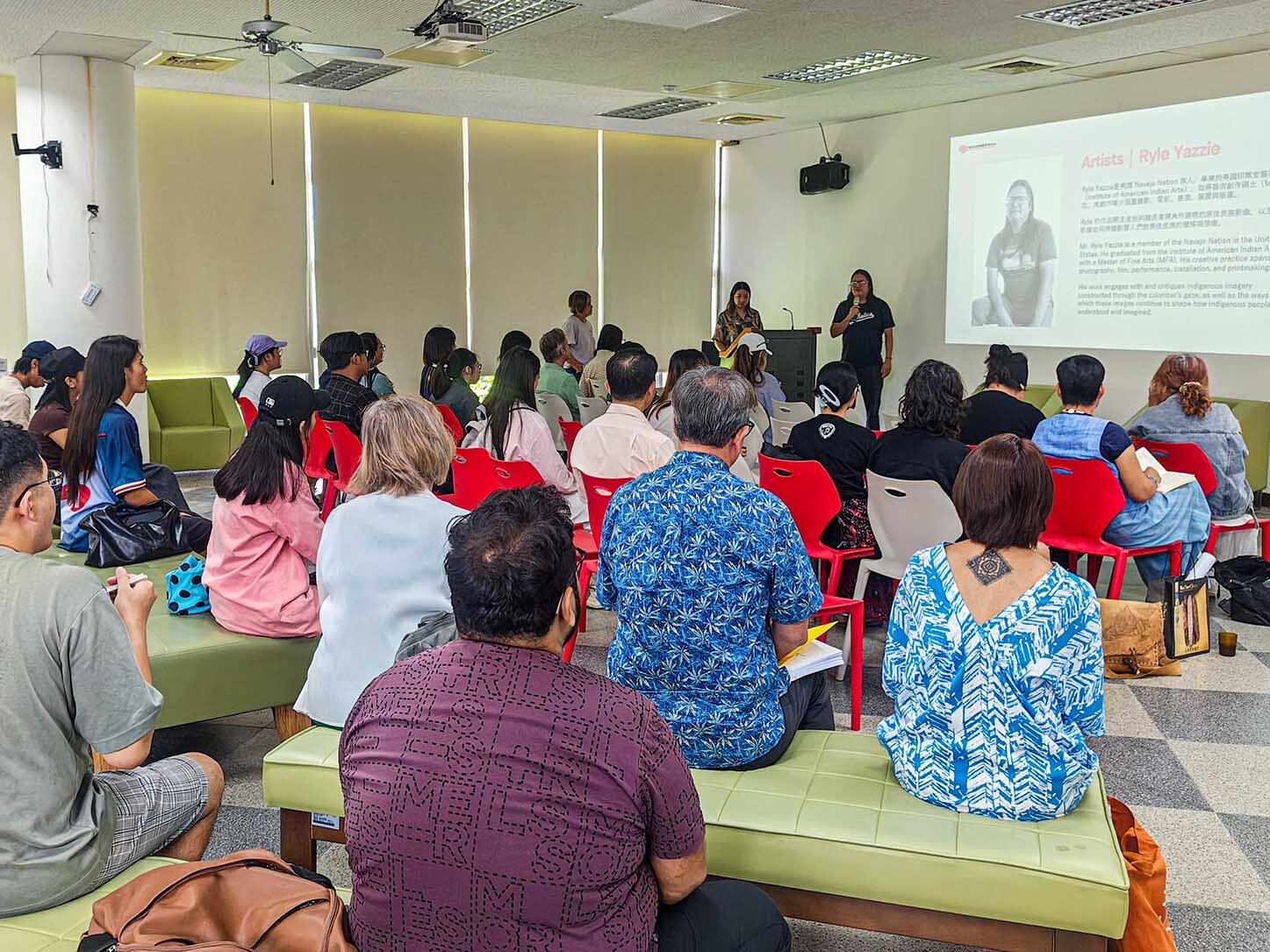
National Dong Hwa University’s Center for International Indigenous Affairs (CIIA) recently hosted “From Colonial Gaze to Self-Representation: Indigenous Visual Art Practice,” bringing together Navajo filmmaker, lighting designer, and photographer Ryle Yazzie and Taiwanese American artist Professor Szu-Han Ho for a dialogue on Indigenous visual practice, representation, and contemporary identity.
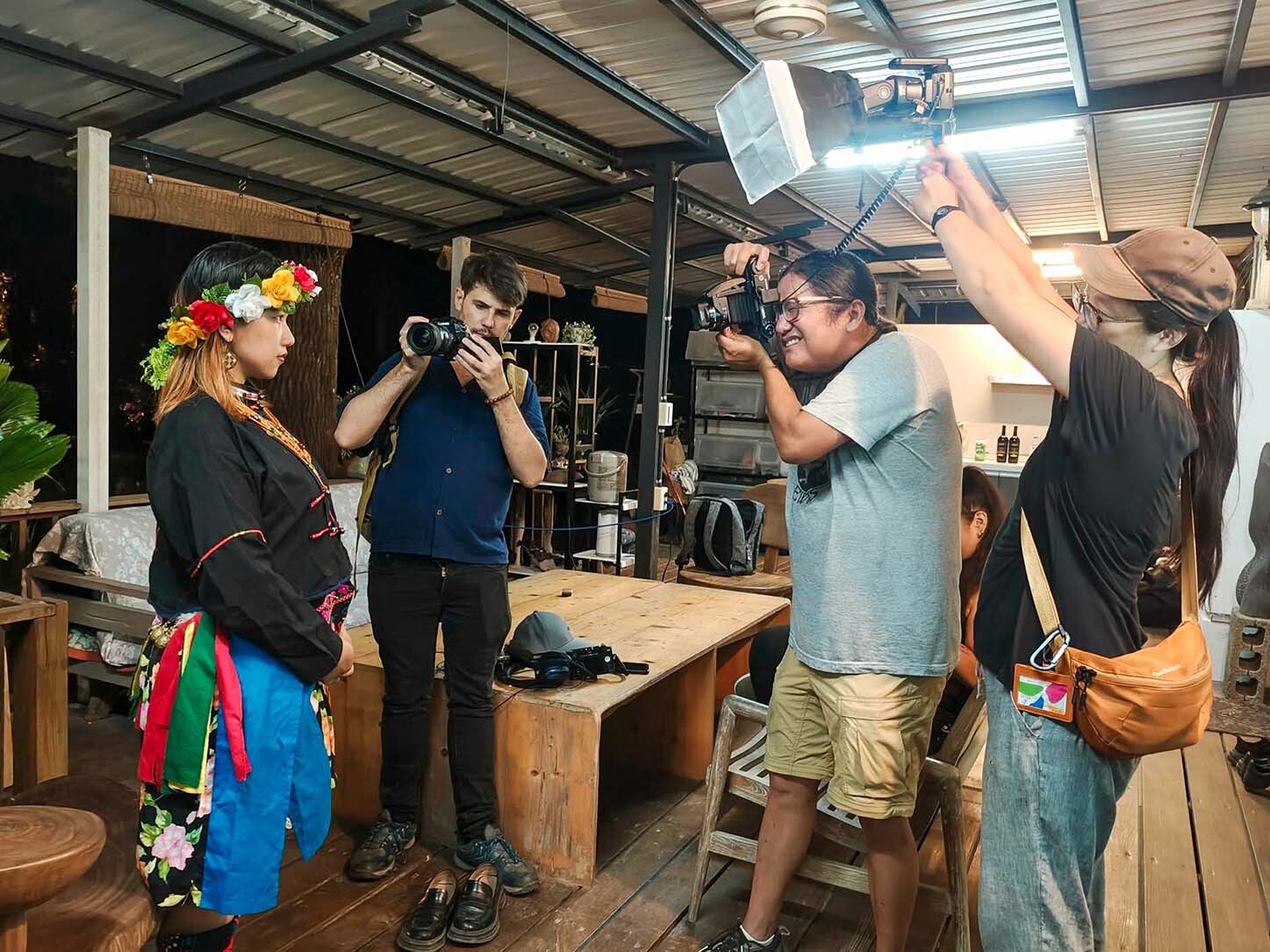
Drawing on historical photographs, contemporary Indigenous art, and their own creative practices, the two artists explored how visual representation has been shaped by colonial power and how Indigenous peoples can reclaim the authority to represent themselves. Yazzie shared photographs from his degree project, portraits of Indigenous artists photographed in Taiwan, and a video work engaging with cultural appropriation and the colonial gaze. Ho discussed her interdisciplinary work across sound, performance, installation, and video, highlighting art as a space for political resistance, historical memory, and identity.
The event brought together faculty, students, artists, and members of the public, creating dialogue between Indigenous visual practices in Taiwan and the United States.
CIIA Director Jolan Hsieh (Bavaragh Dagalomai 謝若蘭) also introduced the Center’s international partnerships and its 2026–2027 visiting scholars, Vincent Delbos-Klein and Aaron Huey Sonnenschein, whose work spans visual sociology, cultural and arts studies, language revitalization, language media, and community knowledge.
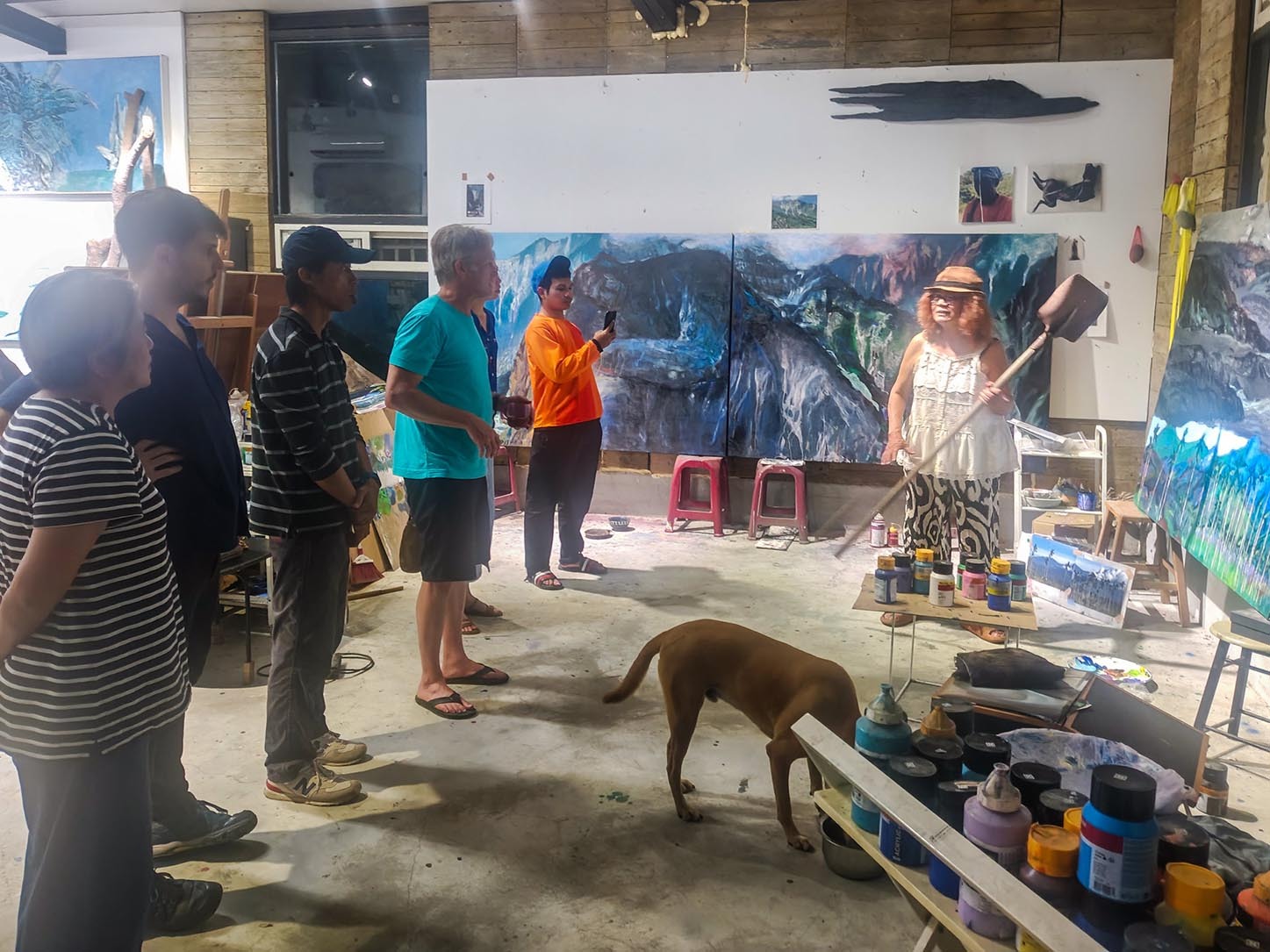
The exchange continued at the studio of Yuki Pan (潘小雪), former Dean of the College of Arts, where participants viewed Pan’s recent paintings and continued discussions through the Indigenous Portrait Project, co-organized by Yazzie and Ho. The project invites ten Indigenous participants to actively consider and shape how they wish to be represented, moving beyond the conventional role of Indigenous peoples as subjects of the camera. The project will be exhibited at Soulangh Cultural Park in October 2026.
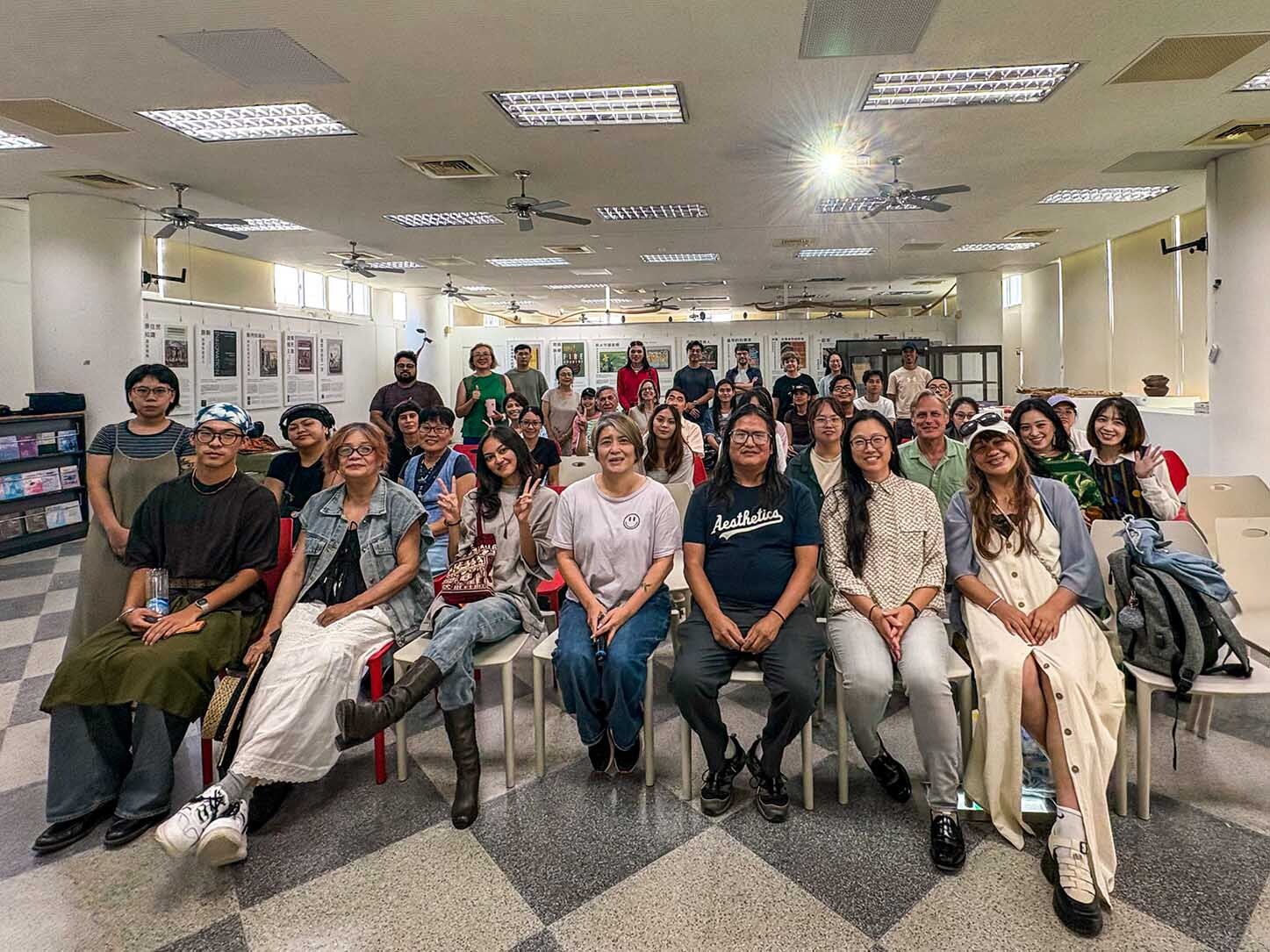
Through art, research, and international collaboration, CIIA continues to create spaces for Indigenous peoples to connect across borders and to participate actively in the production of images, knowledge, and narratives about Indigenous life in the contemporary world.
As Professor Hsieh noted, “International exchange is not simply about inviting scholars and artists from abroad to visit Taiwan. It is about connecting different Indigenous peoples and their knowledge traditions through collaborative creation, research, and dialogue, and rethinking the place of Taiwan’s Indigenous peoples in the contemporary world.”
The event reflects CIIA’s broader commitment to building sustained international Indigenous networks through research, creative practice, and community engagement. By bringing artists and scholars from different Indigenous contexts into conversation with Taiwan’s Indigenous communities, CIIA seeks to foster meaningful exchange while creating new possibilities for Indigenous self-representation, knowledge sharing, and collaboration.