

National Dong Hwa University Participates in the 2026 Sámi and Indigenous Education Conference in Norway
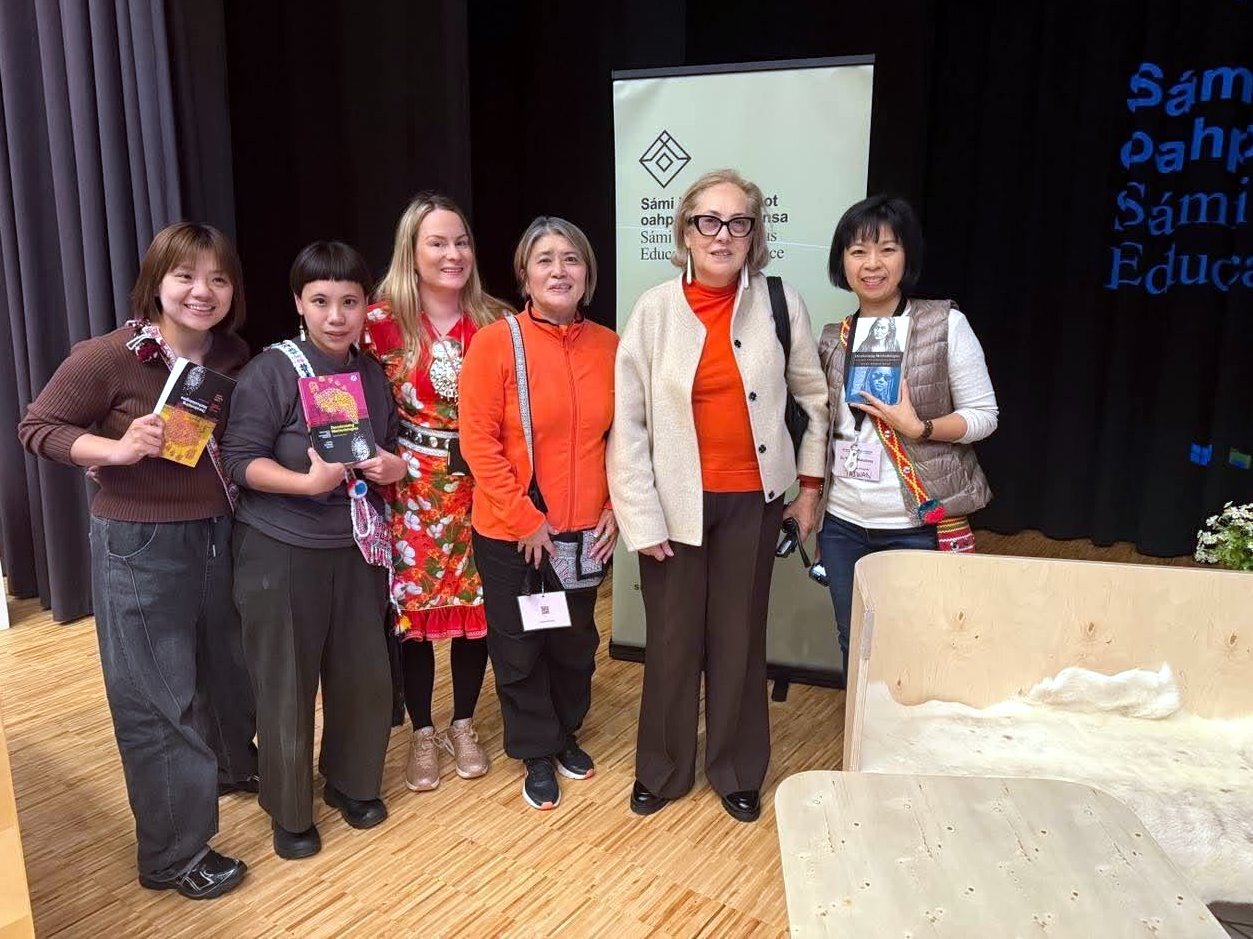
The Center for International Indigenous Affairs(CIIA)at National Dong Hwa University(NDHU)traveled to Norway in early October 2026 to participate in the Sámi and Indigenous Education Conference 2026, hosted by the Sámi University of Applied Sciences. Held from October 6 to 8 in Kautokeino(Guovdageaidnu), the conference was organized around the theme "To Manage in a Manifold World Today and Tomorrow," focusing on Indigenous education, languages, knowledge systems, the future of Indigenous youth, and the role of education in truth, justice, and reconciliation.
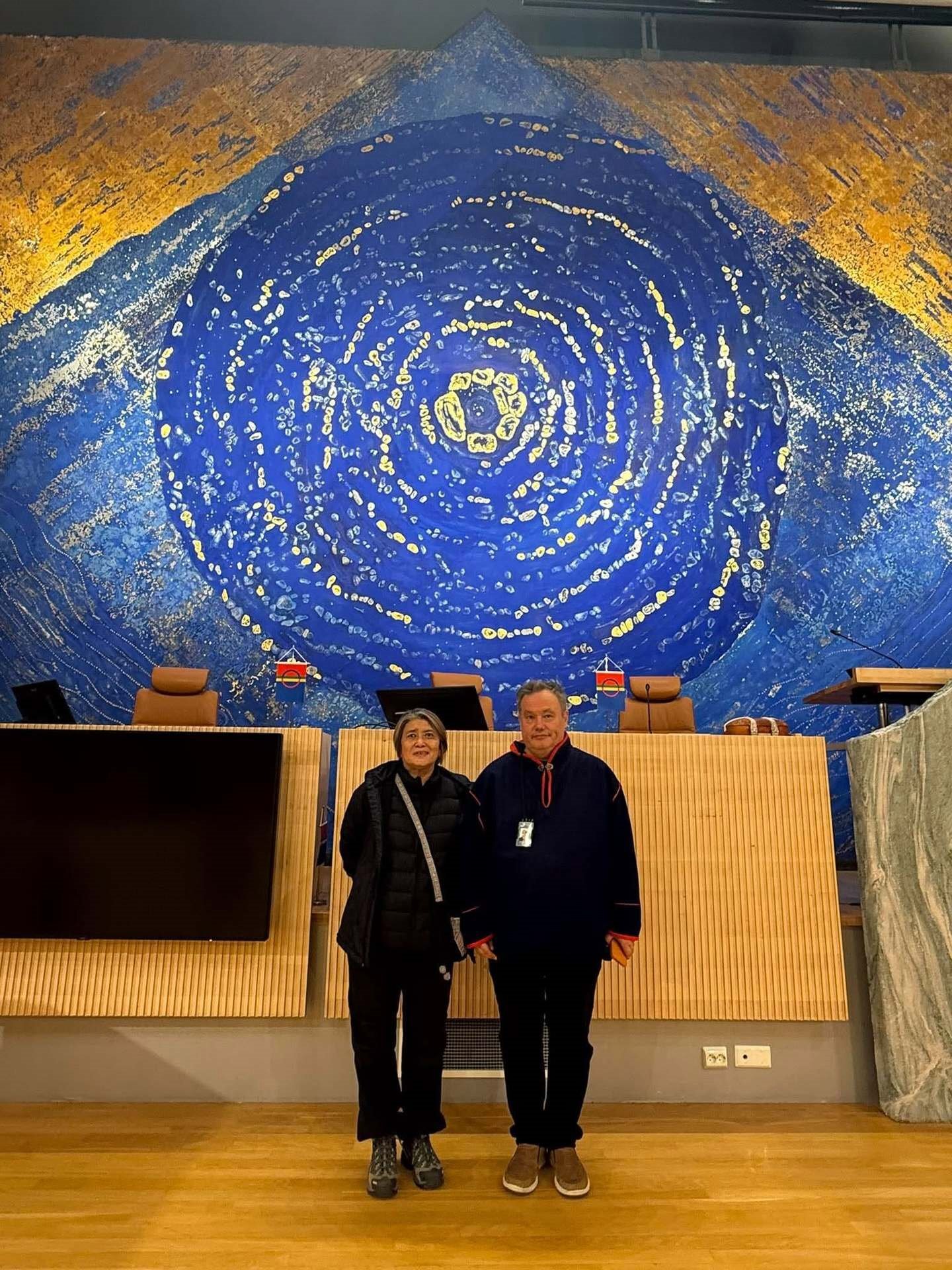
Professor Jolan Hsieh(Bavaragh Dagalomai), Director of CIIA, led a delegation of three graduate students who presented at the conference, sharing Taiwan's experiences in Indigenous education, cultural revitalization, and transitional justice. As part of the nearly ten-day exchange program, the delegation also visited the Sámi Parliament, a Sámi upper secondary school, a reindeer husbandry school, and the Alta Museum. Through these visits, the delegation gained a deeper understanding of Sámi experiences in education, cultural heritage preservation, land relations, and political institutions.
Education Sovereignty and Reconciliation
The conference addressed how education can respond to colonial histories, assimilation policies, and the inequalities experienced by Indigenous peoples. It also examined the role of education in processes of truth, justice, and reconciliation. Among the invited keynote speakers was Professor Linda Tuhiwai Smith, the internationally renowned Māori scholar from Aotearoa New Zealand whose work has profoundly influenced Indigenous research and education worldwide.
In her keynote presentation, Professor Smith reflected on her personal experiences and longstanding work in decolonial research methodologies, Indigenous education, Māori knowledge, and research ethics. Drawing on her own life and scholarly journey, she responded to the central theme of the conference and highlighted the importance of Indigenous knowledge, lived experience, and self-determination in education and research.
Professor Jolan Hsieh emphasized that Indigenous education sovereignty is an essential foundation for meaningful reconciliation. When education systems recognize Indigenous peoples' relationships with their lands, support Indigenous languages and cultural transmission, respect traditional knowledge, and ensure Indigenous participation in educational decision-making, education can become a force for cultural continuity, social justice, and reconciliation.
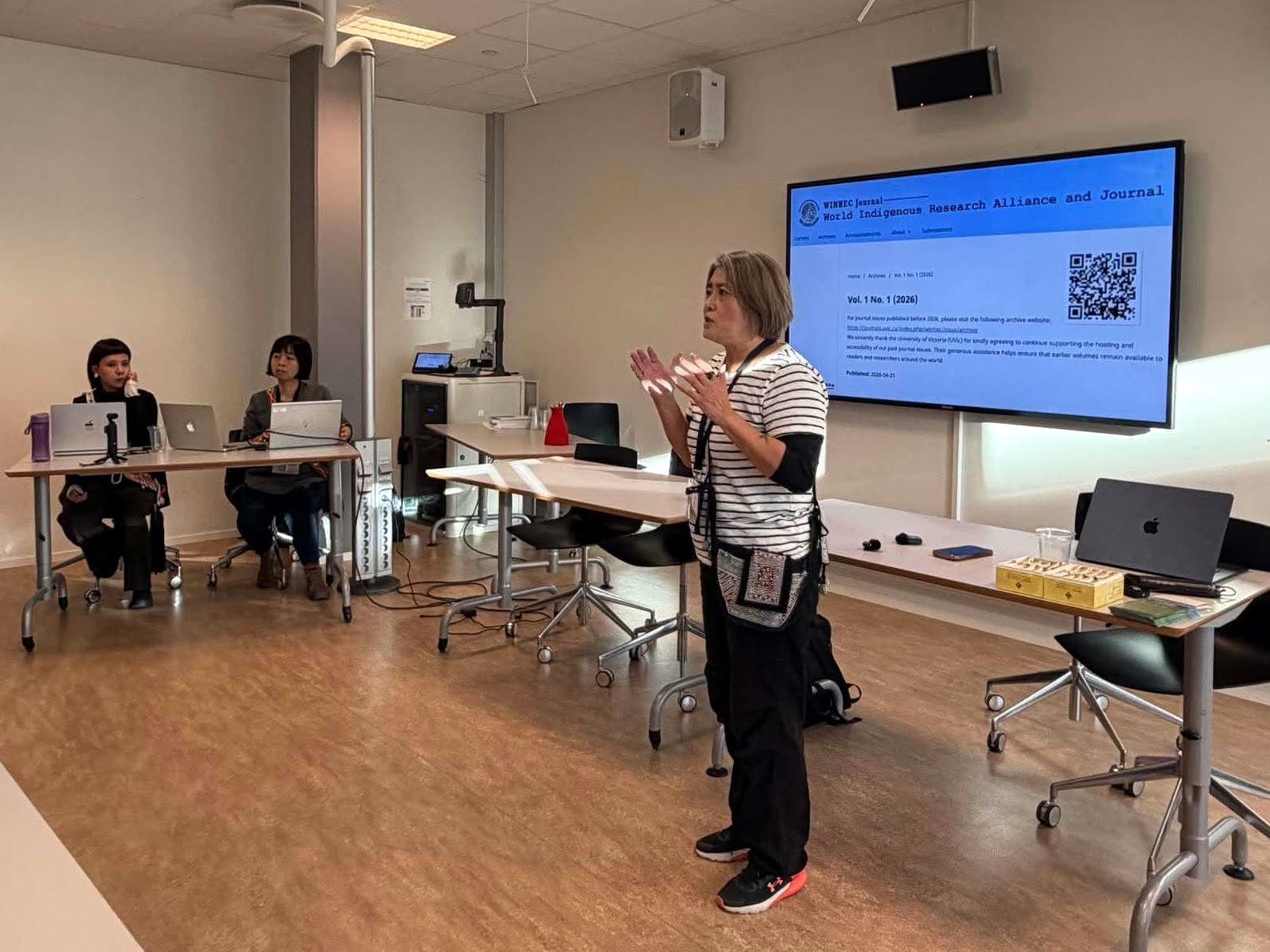
During the conference, the Taiwan delegation shared cases and current developments in Indigenous education and transitional justice in Taiwan, while also inviting participants to exchange views on ongoing challenges in transitional justice. Professor Hsieh stated:
"Reconciliation cannot remain limited to apologies or commemorative events. It must become part of institutions, curricula, and everyday life. When Indigenous peoples can explain their histories in their own languages, understand the world through their own knowledge systems, and see their values and futures reflected in education, reconciliation can gain a genuine foundation."
For the Taiwan delegation, the conference presentations and discussions served as an important reminder that Indigenous peoples should not be treated merely as objects of research, education, or representation. They must be recognized as knowledge holders, co-designers of education, and decision-makers in shaping the future. This perspective closely resonates with Taiwan's ongoing efforts to strengthen Indigenous education sovereignty, revitalize Indigenous languages, and advance transitional justice.
From the Conference to Community-Based Learning
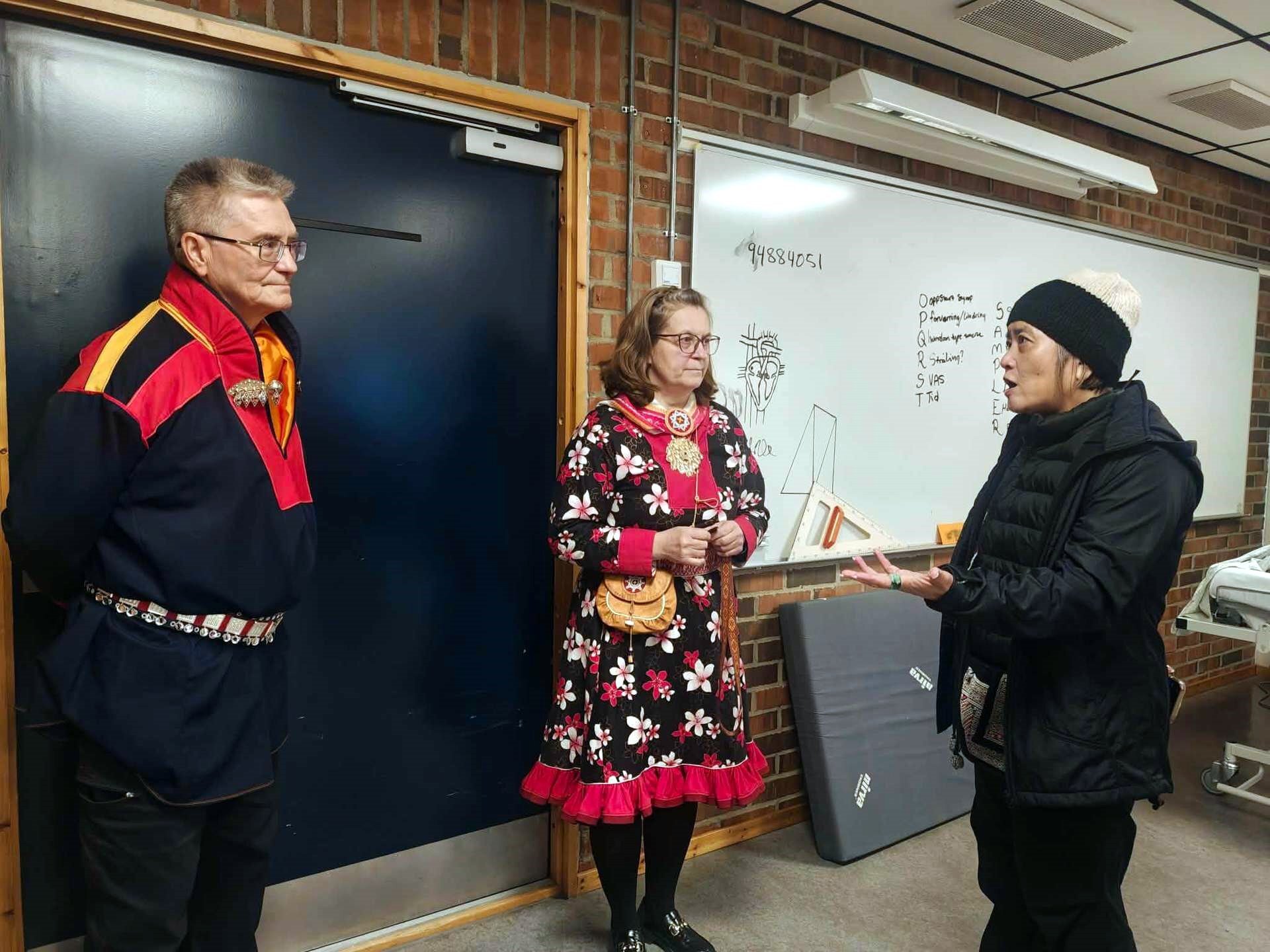
In addition to participating in the conference, the delegation visited the Sámi Parliament to learn about Sámi political representation in Norway and Sámi participation in language, cultural, educational, and public-policy affairs. Established in 1989, the Sámi Parliament has become an important platform for Sámi participation in public governance and for articulating collective Sámi perspectives.
The delegation also visited the Alta Museum to learn about the preservation of prehistoric rock art and cultural heritage in northern Norway, as well as the historical relationship between the Sámi people, their lands, and the environment. The Alta region is closely associated with Sámi resistance to dam development and the struggle for land and environmental rights, an important historical process in the Sámi movement for political recognition and rights protection.
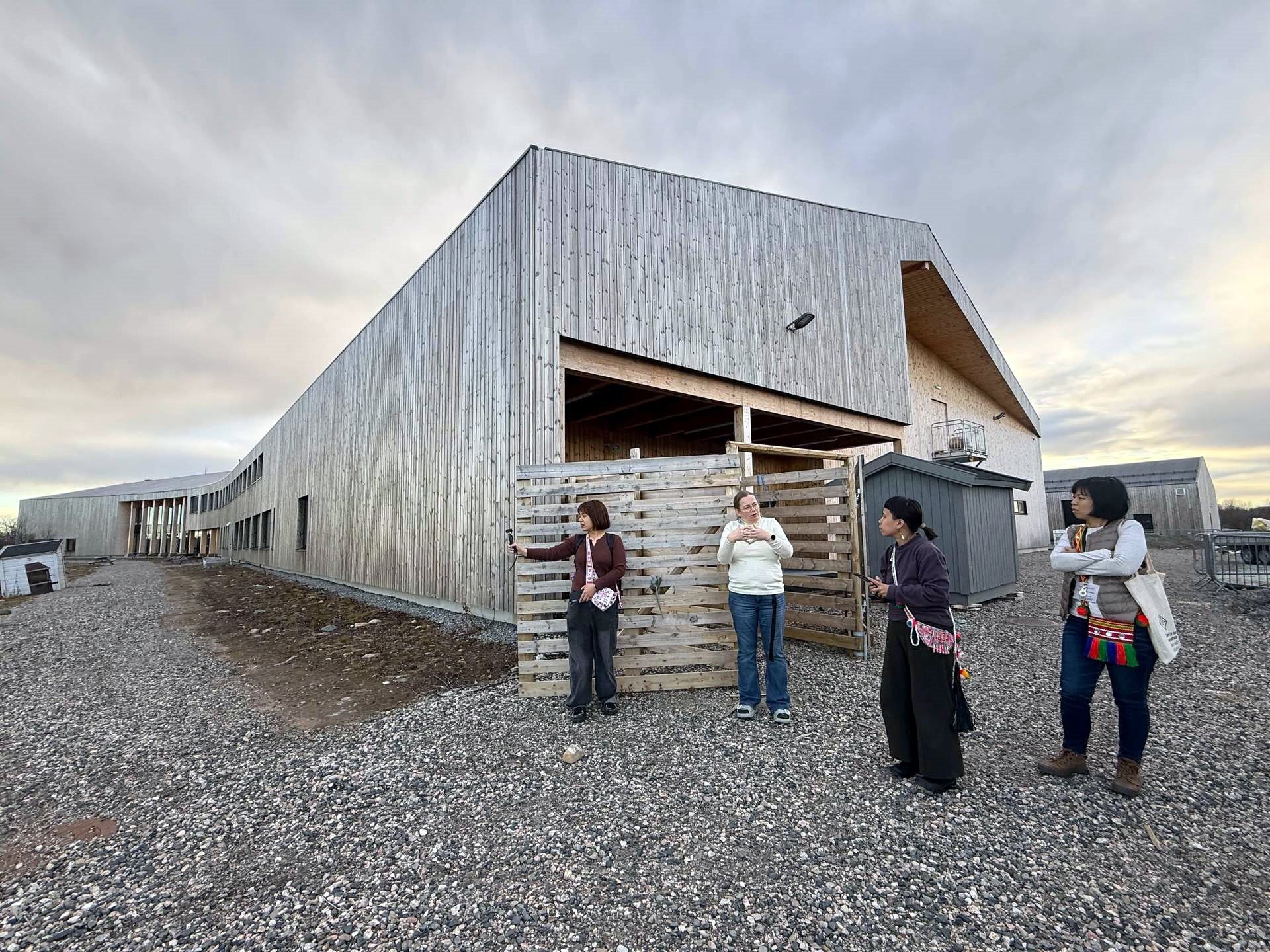
Education exchange formed a central part of the program. The delegation visited the Sámi Upper Secondary School, Karasjok(Sámi joatkkaskuvla, Kárášjogas), and the Sámi Upper Secondary School and Reindeer Husbandry School, Kautokeino(Sámi joatkkaskuvla ja boazodoalloskuvla, Guovdageainnus). Both schools provide upper-secondary education grounded in Sámi language, culture, and community needs. The Kautokeino school also offers specialized education in reindeer husbandry, connecting students' learning with traditional livelihoods, land-based knowledge, and contemporary professional development.
Through these visits, the Taiwan delegation learned how Sámi education integrates Indigenous languages, cultural knowledge, traditional skills, and contemporary career pathways. The visits demonstrated that education can serve not only as preparation for further study or employment, but also as a means of sustaining cultural continuity, strengthening identity, and supporting young people's relationships with their communities, lands, languages, and knowledge traditions.
During the school visits, the Taiwan delegation exchanged views with Sámi students on identity, language revitalization, traditional knowledge, and the role of younger generations. Participants shared experiences of Indigenous education and cultural practice in Taiwan and Sápmi, reflecting together on how Indigenous youth may sustain connections with their peoples and homelands amid rapid social change.
Strengthening International Partnerships
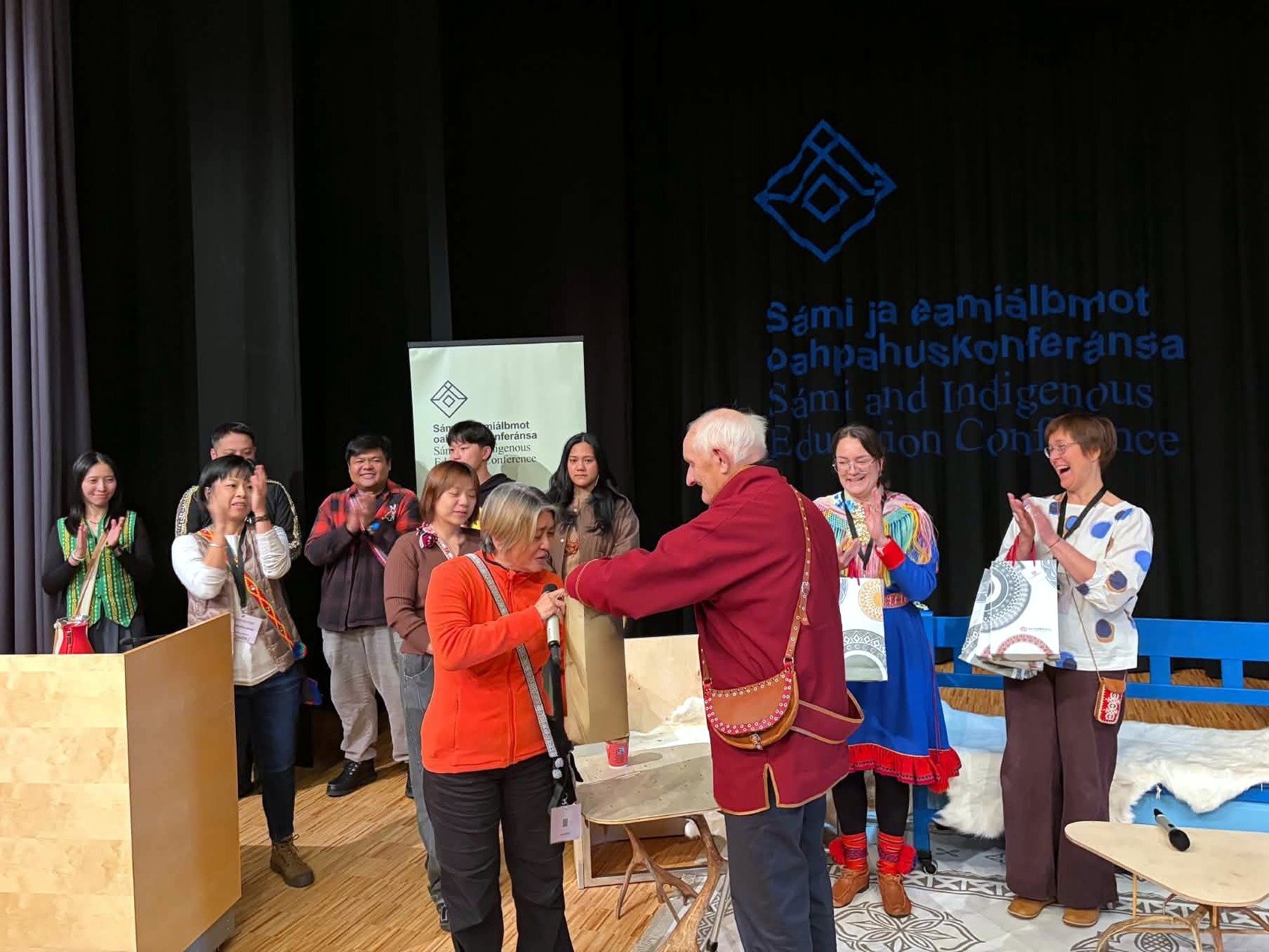
During the exchange, Assistant Professor Wasiq Silan(I-An Gao)of the Department of Indigenous Development and Social Work at NDHU, who had recently received NDHU's New Faculty Academic Research Grant, also led a Taiwan delegation supported by a European Union collaborative project. The two Taiwan groups met at the Sámi University of Applied Sciences and shared experiences in Indigenous education, cultural practice, and international cooperation. At the closing ceremony, they jointly presented a gift from Taiwan to the organizers, expressing their respect for the Sámi people and the host institution.
Professor Hsieh stated that NDHU has long been committed to strengthening international Indigenous connections and empowering young people. Through international conferences, university partnerships, and transnational cooperation, the university seeks to enable young people to enter the lands and lived contexts of different Indigenous peoples and to understand their histories, circumstances, and futures through equal dialogue.
"Young people are not merely participants in international exchange," Professor Hsieh noted. "They are the builders of future relationships and agents of social change."
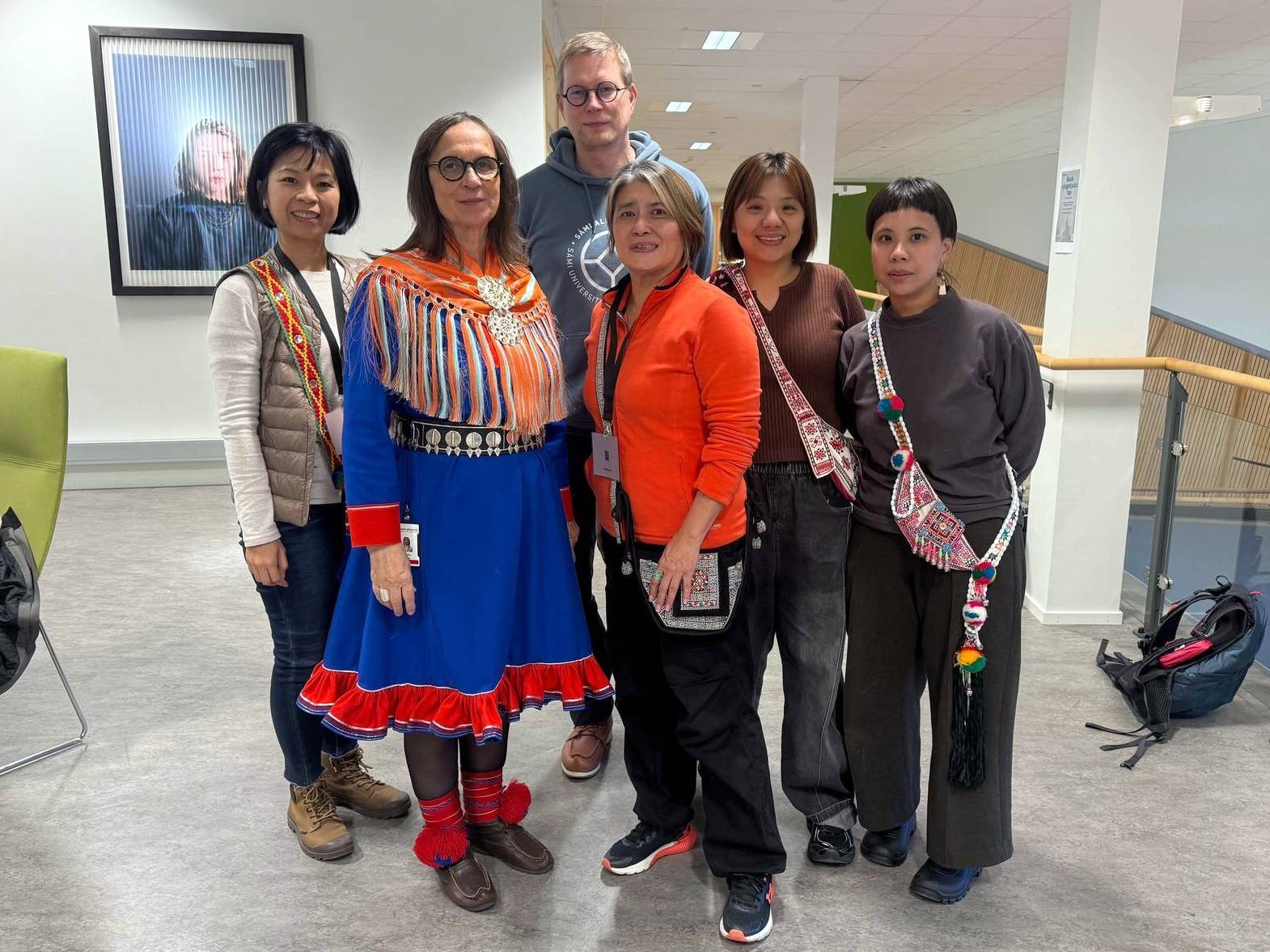
Following the conference, Professor Hsieh also met with the President Liv Inger Somby and senior leadership of the Sámi University of Applied Sciences to discuss the possibility of signing a memorandum of understanding. The proposed partnership could include student exchange, course collaboration, and joint research, creating a long-term framework for cooperation between Taiwan and Sápmi in Indigenous education, language and culture, land-based learning, and traditional knowledge.
The nearly ten-day exchange enabled the Taiwan delegation to learn from Sámi experiences in education, culture, and political development, while also bringing Taiwan's experiences in education sovereignty, cultural revitalization, and transitional justice into international Indigenous dialogue. CIIA will continue to strengthen its partnerships with Indigenous peoples and institutions around the world, ensuring that Taiwan's Indigenous experiences are represented internationally while bringing global knowledge and practices back to Taiwan to support educational reform, youth empowerment, and social reconciliation.
CIIA extends its sincere appreciation to the Council of Indigenous Peoples, the Taiwan Foundation for Democracy, and the Ministry of Education for their funding and support. Their assistance made this international exchange possible and contributed to building a stronger foundation for the long-term development of Indigenous education, youth empowerment, and international collaboration in Taiwan.