
National Dong Hwa University's Center for International Indigenous Affairs Collaborates with International Artists on Indigenous Photography Exhibition
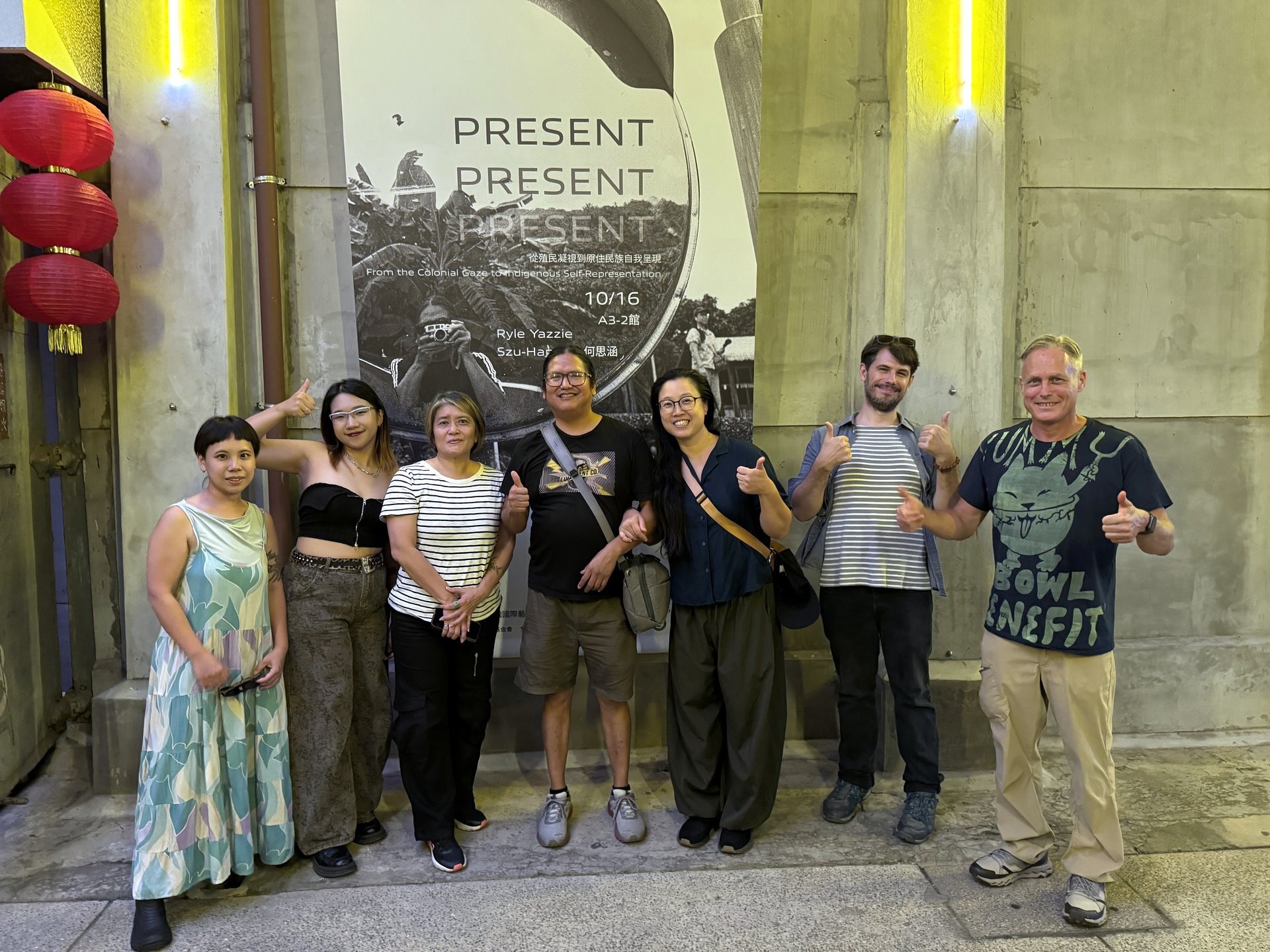
PRESENT: From the Colonial Gaze to Indigenous Self-Representation, a collaborative exhibition by Navajo Nation artist Ryle Yazzie and Taiwanese-American artist Dr. Szu-Han Ho, Professor at the University of New Mexico, officially opened on October 16, 2026, at Soulangh Cultural Park in Tainan, Taiwan.
Supported by Soulangh Cultural Park and developed in collaboration with the Center for International Indigenous Affairs(CIIA)at National Dong Hwa University(NDHU), the exhibition brings together international artists and Indigenous participants from Taiwan to reconsider the relationships between photography, colonial histories, and Indigenous self-representation.
The exhibition is part of the 2026 Soulangh International Artist-in-Residence Program and represents another significant outcome of CIIA's ongoing efforts to promote international Indigenous artistic and cultural collaboration.
The relationship between the artists and CIIA began in 2024, when Yazzie and Ho were invited to Taiwan to participate in the Indigenous Peoples Art and Culture Workshop in Eastern Taiwan, organized by the Center. Through field visits along Taiwan's east coast, cultural exchanges, and conversations with Indigenous artists, cultural practitioners, and community leaders, the artists developed relationships that laid the foundation for future collaboration.
Reflecting on their 2024 visit, Ho recalled meeting Professor Bavaragh Dagalomai Jolan Hsieh, Director of CIIA, and engaging with Indigenous communities in eastern Taiwan. These encounters introduced the artists to a remarkable network of Indigenous artists, advocates, and community leaders, providing important inspiration for their subsequent work. Rather than remaining a one-time cultural exchange, these relationships continued to develop and eventually contributed to the creation of PRESENT, in which Indigenous participants from Taiwan are recognized as collaborators in the artistic process.
In August 2026, Yazzie and Ho began their residency at Soulangh Cultural Park, conducting field research and developing their artistic work. During their residency, they visited Siraya communities in southern Taiwan, including meetings with Alak Akatuang(段洪坤)of Kabasua Village and Yang Zhen-yue(楊振鑰)of Beitouyang Pingpu Cultural Park.
Through these exchanges, the artists learned about Siraya histories of land dispossession, displacement, and cultural transformation under successive colonial regimes, as well as contemporary community efforts toward cultural revitalization and the recognition of Indigenous identities.
These experiences also encouraged the artists to reflect on the shared colonial histories of Indigenous peoples in Taiwan and North America, particularly the role of photography in documenting, classifying, and representing Indigenous communities.
Since the nineteenth century, photography has frequently served as an instrument of colonial observation and ethnographic documentation. In the United States, photographer Edward S. Curtis portrayed Native Americans through the framework of a supposedly "vanishing race." In Taiwan, photographers and researchers such as John Thomson and Mori Ushinosuke produced photographic records of Indigenous peoples for ethnographic purposes.
Although these images remain valuable historical records, they were often shaped by colonial power relations and external perspectives, contributing to the romanticization and exoticization of Indigenous peoples and reinforcing perceptions of Indigenous cultures as belonging primarily to the past.
PRESENT offers a critical response to this photographic history.
"How do you want to be seen?"
This question became the starting point for the artists' collaboration with each participant.
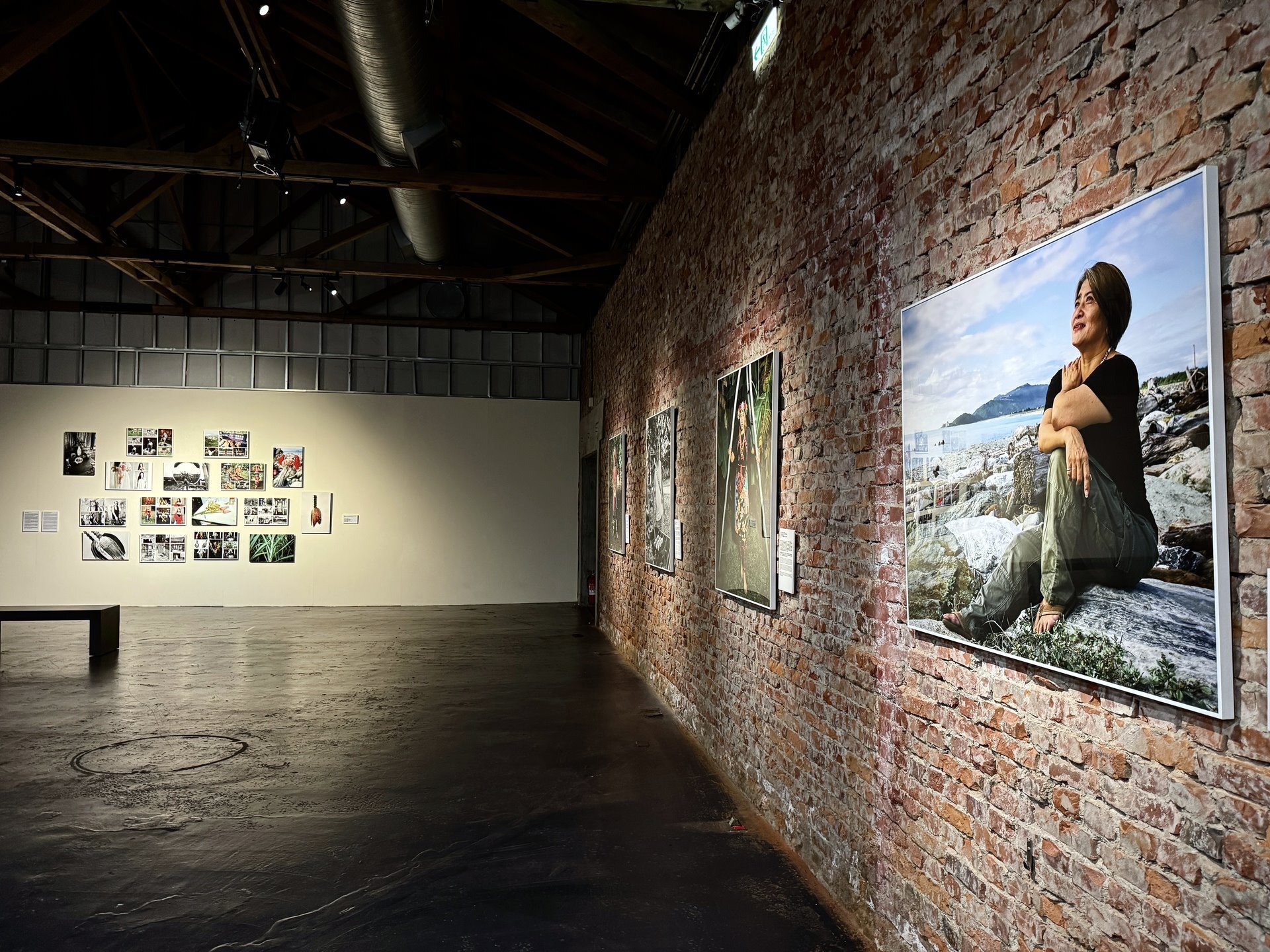
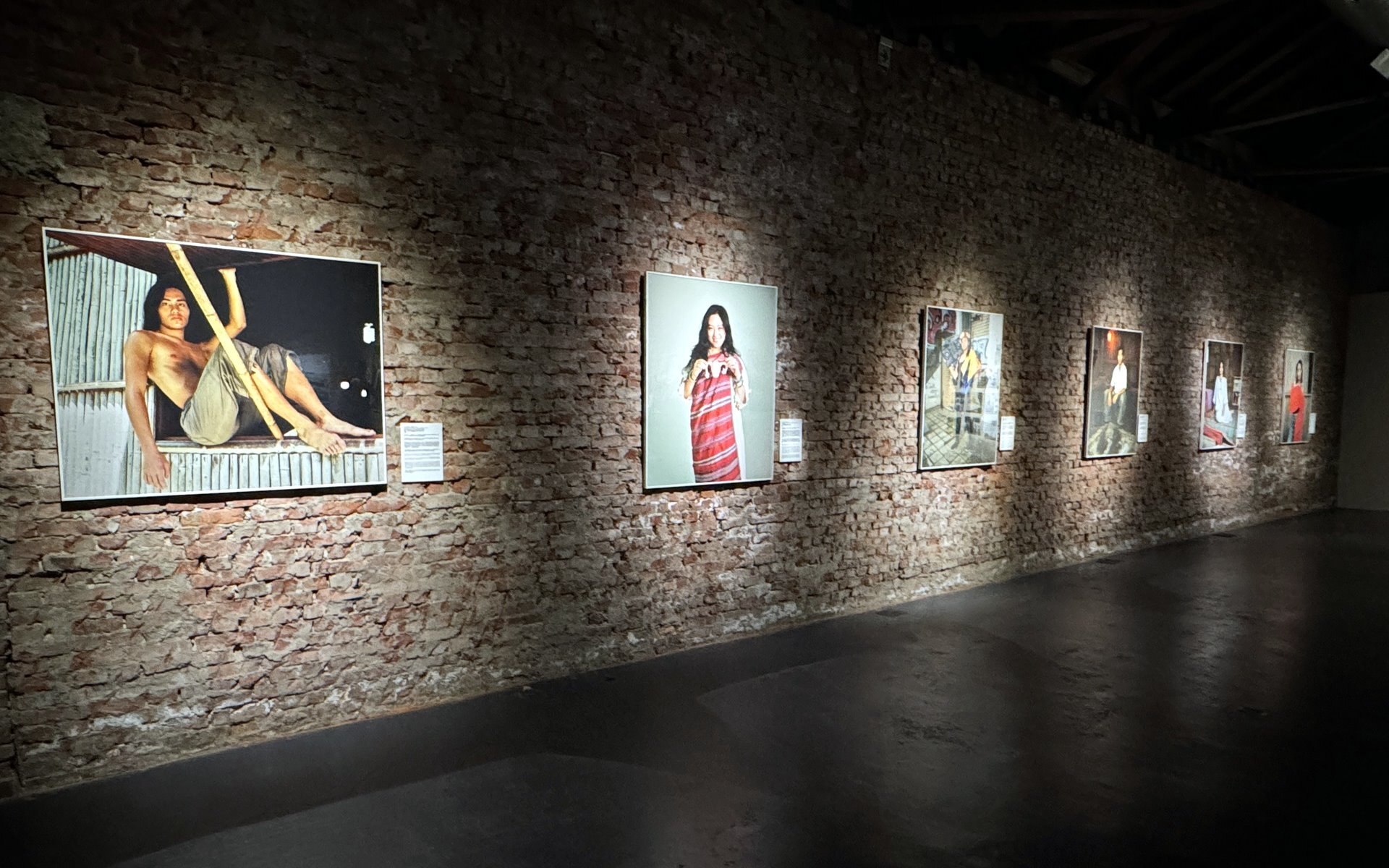
Rather than allowing the photographer to determine how an individual should be represented, the project invited Indigenous participants, including faculty members and students from National Dong Hwa University, to make decisions about their portraits. Participants selected their clothing, personal objects, and photographic locations, as well as the stories and aspects of their identities they wished to communicate.
Before each photography session, the artists conducted interviews to better understand the cultural meanings, personal experiences, and identities reflected in these choices.
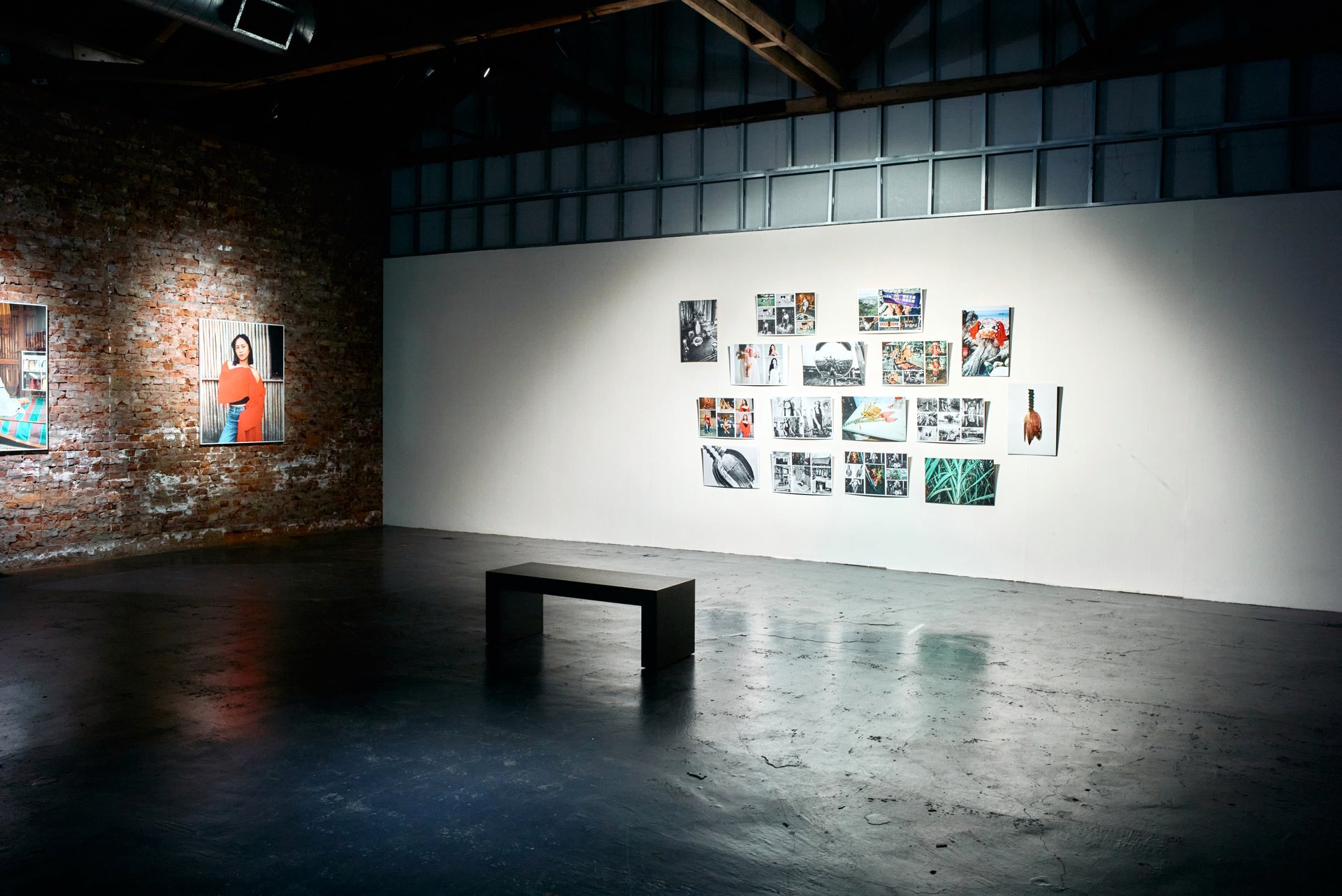
Each portrait is accompanied by excerpts from the participant's interview, allowing audiences not only to view the image but also to engage with the individual's own interpretation of their identity and lived experiences.
All participants are credited as collaborators and received both printed and digital copies of their portraits. This approach reflects the project's commitment to reciprocity, shared authorship, and ethical artistic practice.
Yazzie emphasized that, as a photographer, he wanted participants to be actively involved in the creative process rather than positioned simply as subjects of the camera. For him, the relationship between photographer and participant should be grounded in mutual respect, collaboration, and reciprocity.
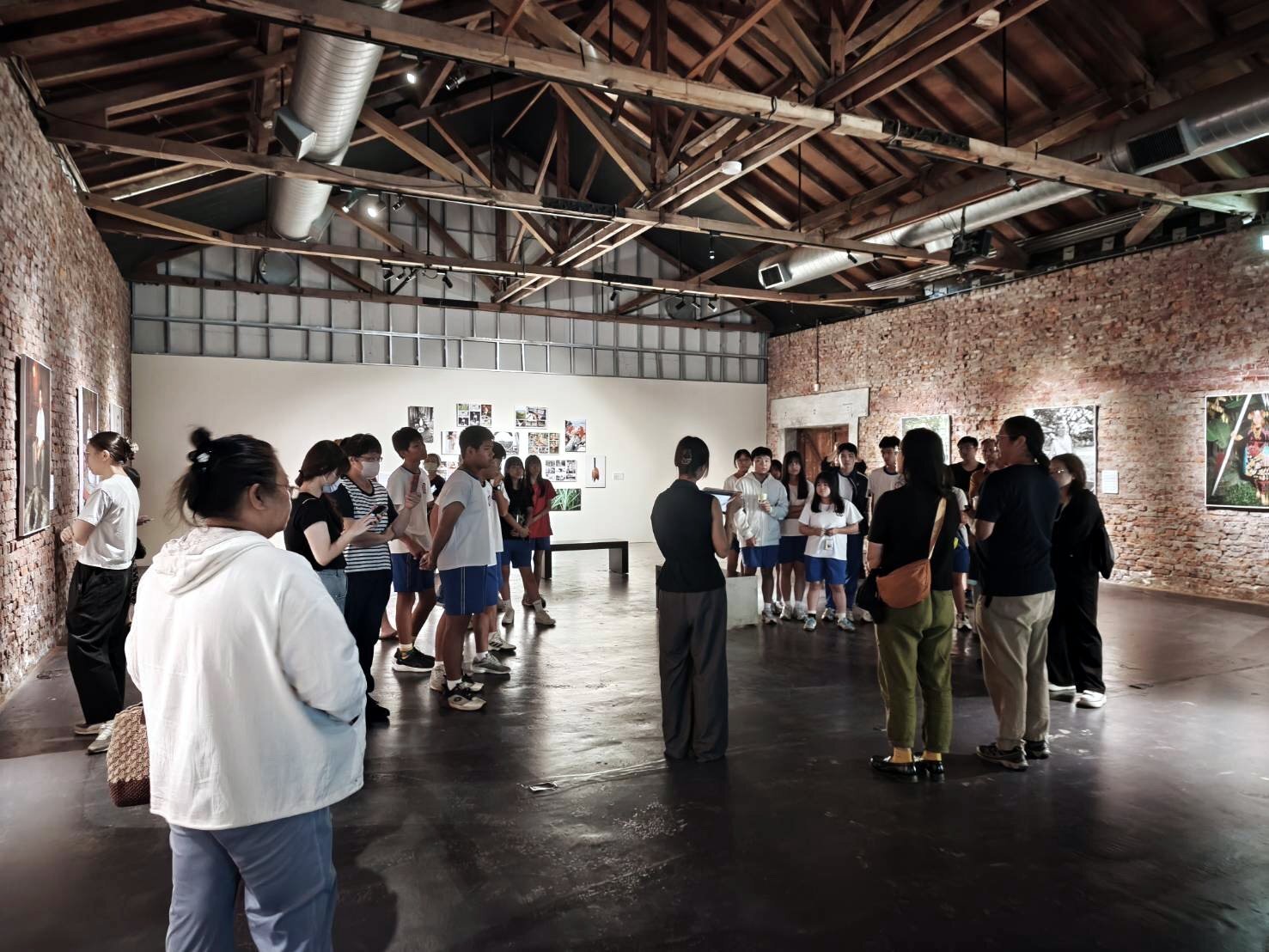
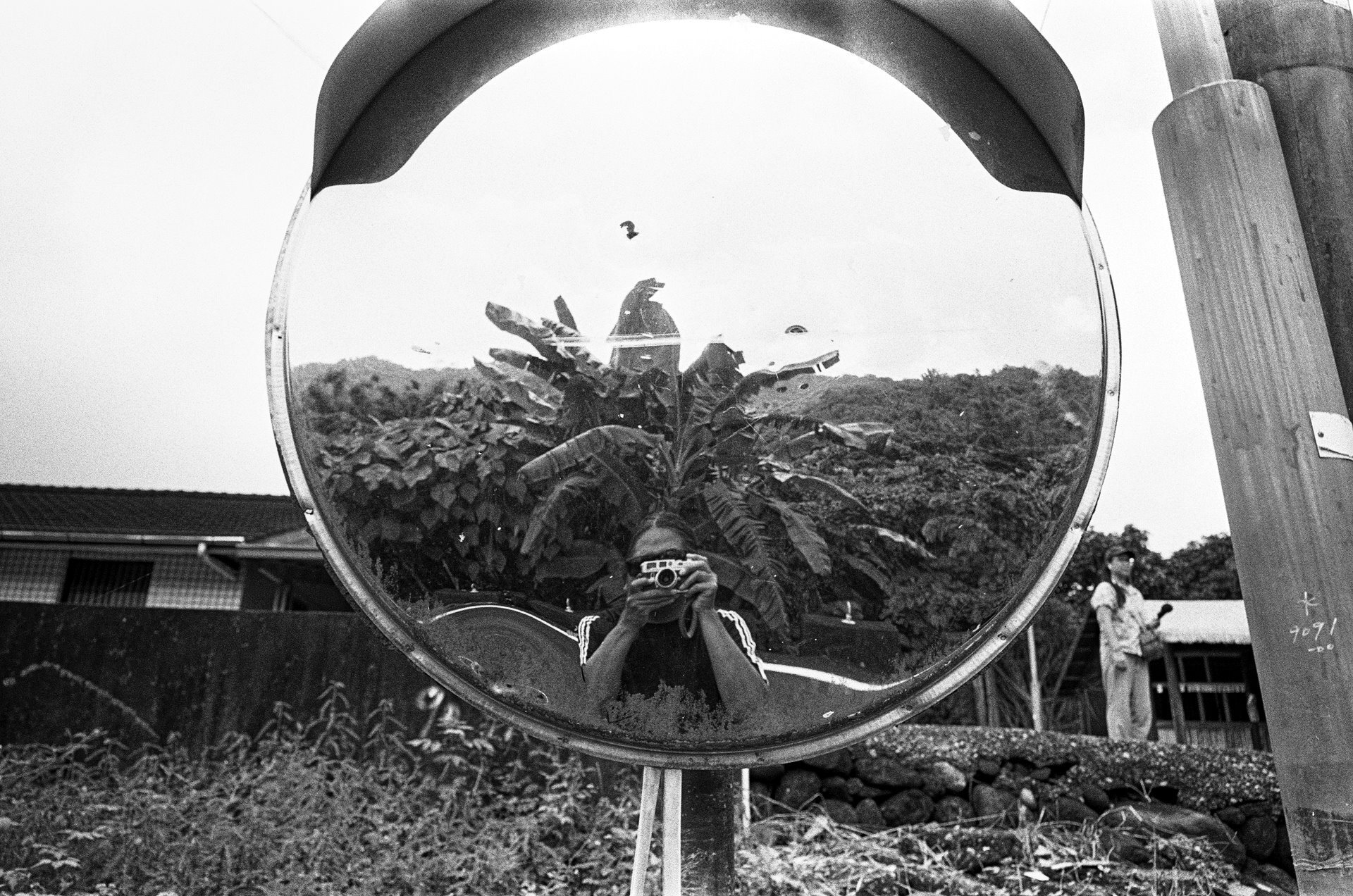
Combining analogue film and digital photography, the multimedia exhibition features large-scale photographic portraits, interview excerpts, photographic contact sheets, documentary footage of the creative process, and a film projection with sound installation. Together, these elements offer audiences an opportunity to understand not only the completed artworks but also the conversations, relationships, and collaborative processes behind them.
The project also involved two international visiting scholars affiliated with CIIA: Dr. Vincent Delbos-Klein from France and Dr. Aaron Huey Sonnenschein from the United States. Both participated in the project's forum and related exhibition opening activities.
With expertise in visual sociology and visual research, and in linguistics and Indigenous language studies, respectively, the two scholars contributed to an interdisciplinary environment connecting artistic practice, academic research, and engagement with Indigenous communities.
Their participation also reflects CIIA's broader approach to international academic exchange. Rather than limiting visiting scholars' experiences to university-based teaching and research, the Center encourages meaningful engagement with local cultural initiatives and community activities. Such opportunities deepen international scholars' understanding of contemporary Indigenous experiences in Taiwan while opening new possibilities for interdisciplinary and cross-cultural collaboration.
CIIA has long been committed to promoting international Indigenous engagement, knowledge sovereignty, cultural self-determination, and transnational partnerships. The PRESENT project reflects the Center's understanding that Indigenous peoples should not be regarded merely as subjects of artistic representation or academic research, but as active agents in knowledge production, cultural interpretation, and the representation of their own identities.
Professor Bavaragh Dagalomai Jolan Hsieh, Director of CIIA, emphasized that meaningful international Indigenous exchange involves much more than inviting overseas artists and scholars to Taiwan or introducing Taiwanese Indigenous cultures to international audiences.
"What matters most is the development of sustained relationships that make equitable, reciprocal, and meaningful collaboration possible. The value of international exchange lies not simply in crossing national borders, but in approaching collaboration from a perspective of relationality-recognizing our responsibilities to one another and building long-term partnerships through which artists, scholars, and Indigenous communities can participate together in the production of knowledge and culture," Hsieh stated.
From the initial cultural exchange in 2024 to the artist residency and exhibition in 2026, PRESENT demonstrates how international engagement can evolve into sustained and substantive collaboration. It also provides a concrete example of CIIA's commitment to decolonizing research ethics and strengthening Indigenous agency in knowledge production and cultural representation.
Through this collaborative process, photography becomes more than a means of observation or documentation. It offers opportunities for Indigenous peoples to define how they wish to be represented, share their lived experiences, and respond critically to colonial histories.
Through its involvement in PRESENT, CIIA hopes to encourage wider recognition of the diversity of contemporary Indigenous lives and cultural identities in Taiwan. The Center will continue to strengthen partnerships among Indigenous artists, scholars, and communities across national borders, fostering international exchanges grounded in mutual learning, collaborative practice, relational responsibility, and long-term engagement.
PRESENT: From the Colonial Gaze to Indigenous Self-Representation will be on view from October 16, 2026, through February 28, 2027, at Soulangh Cultural Park in Jiali District, Tainan City, Taiwan. The public is warmly invited to visit the exhibition.
Exhibition Information
Exhibition Title: PRESENT: From the Colonial Gaze to Indigenous Self-Representation
Artists: Ryle Yazzie and Dr. Szu-Han Ho
Exhibition Dates: October 16, 2026 - February 28, 2027
Venue: Soulangh Cultural Park, Jiali District, Tainan City, Taiwan
Collaborating Institution: Center for International Indigenous Affairs(CIIA), National Dong Hwa University(NDHU)
Residency Program: 2026 Soulangh International Artist-in-Residence Program