
From Kiwit to the World: NDHU Brings Indigenous Youth Together to Explore Rivers, Cultural Identity and Community Knowledge
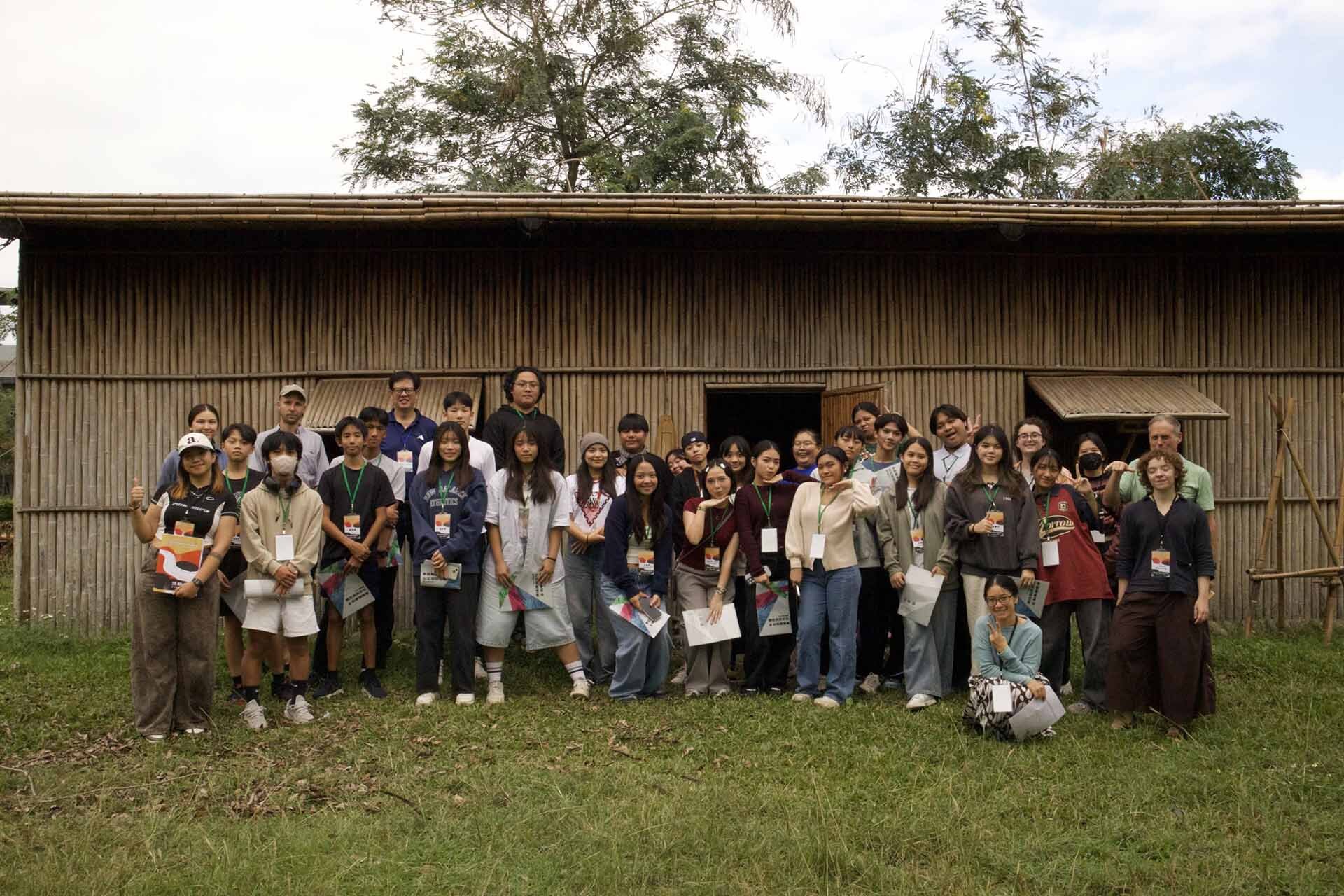
National Dong Hwa University’s Center for International Indigenous Affairs (CIIA) held the “Malakapot no ’alo: 2026 Indigenous Youth Cultural Exploration Camp” from October 30 to November 1, 2026. The program brought high school students from Indigenous backgrounds, alongside those interested in Indigenous issues, to NDHU and the Pangcah (Amis) community of Kiwit in Ruisui Township, Hualien County. Through campus visits, lectures, cultural rafting and multilingual group learning, participants explored relationships among rivers, land and cultural identity while gaining insight into university life and future educational choices.
“Malakapot no ’alo” means “Becoming Partners with the River,” with “kapot” expressing a spirit of mutual support and shared responsibility. Inspired by the Māori expression “Ko au te awa, ko te awa ko au”—“I am the river, and the river is me”—the camp connected international Indigenous perspectives with Kiwit’s knowledge of Tarawadaw, also known as the Xiuguluan River. On the first day, campus tours and exchanges with Indigenous student associations introduced participants to NDHU’s learning environment, cultural activities and peer support networks. University students shared their experiences of studying, maintaining cultural connections and finding a sense of belonging, helping participants imagine their own pathways into higher education.
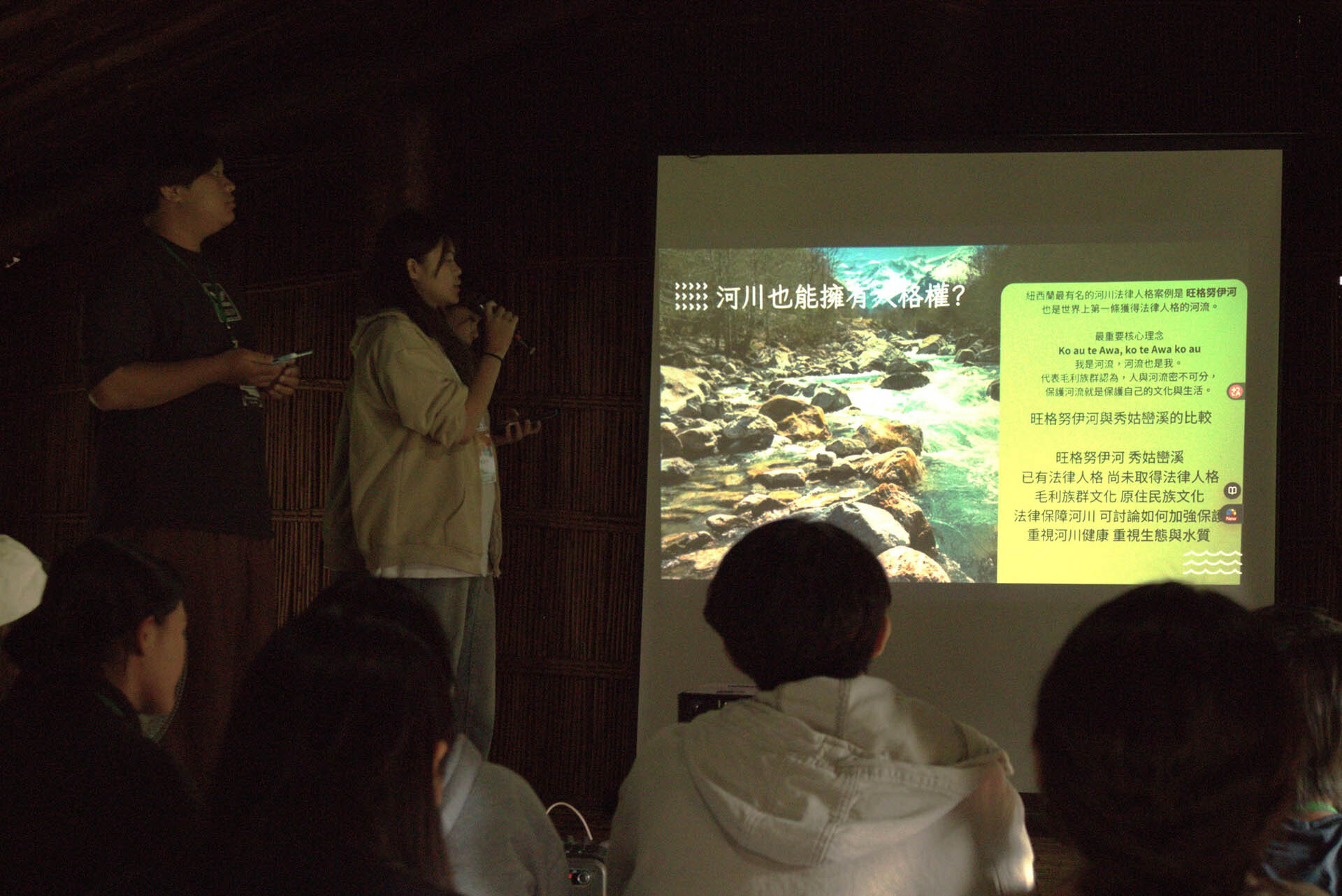
Lectures introduced questions of language, rights and river governance. Dr. Sifo Lakaw, Assistant Professor in NDHU’s Department of Ethnic Relations and Cultures and Executive Officer of CIIA, discussed Māori language revitalization and the sustained collective action behind advances in Indigenous rights. Dr. Awi Mona, Dean of NDHU’s College of Humanities and Social Sciences, introduced the Whanganui River’s legal personhood in Aotearoa New Zealand. Emphasizing that institutions must be understood within their historical contexts, he encouraged participants to consider relationships, representation and rights when asking who can speak for a river and how Indigenous peoples participate in its governance.
Learning with Kiwit’s Knowledge Holders
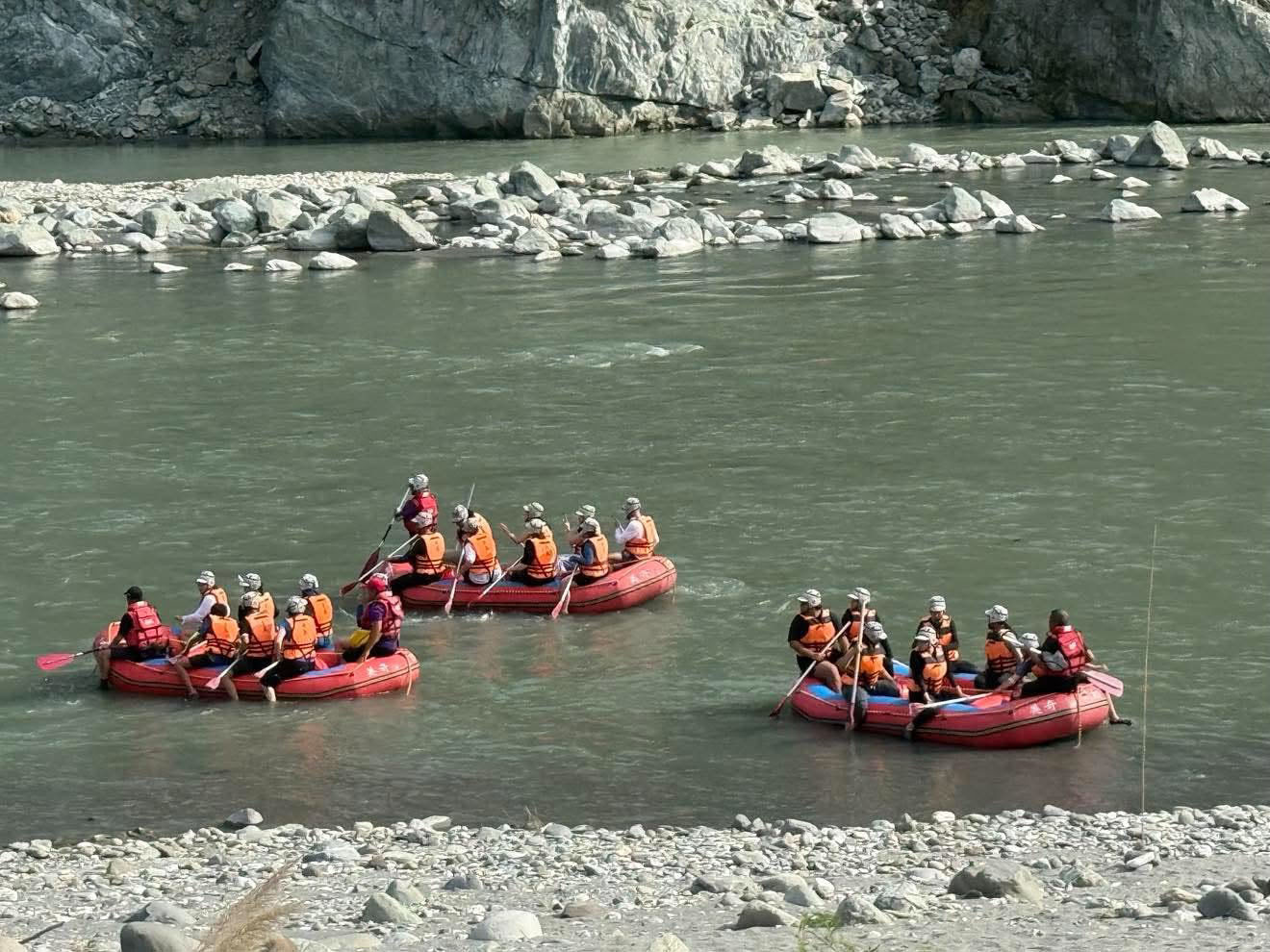
Participants joined Kiwit’s cultural rafting program Community knowledge holders led each raft and shared river place names, community histories and ecological knowledge. Landmarks encountered along the journey became entry points for understanding ancestral territory and the relationships connecting people, water and other living beings. Kiwit’s knowledge holders played a central role in shaping this learning: through storytelling, environmental interpretation and cultural practice, they demonstrated how knowledge is developed, organized and transmitted across generations.
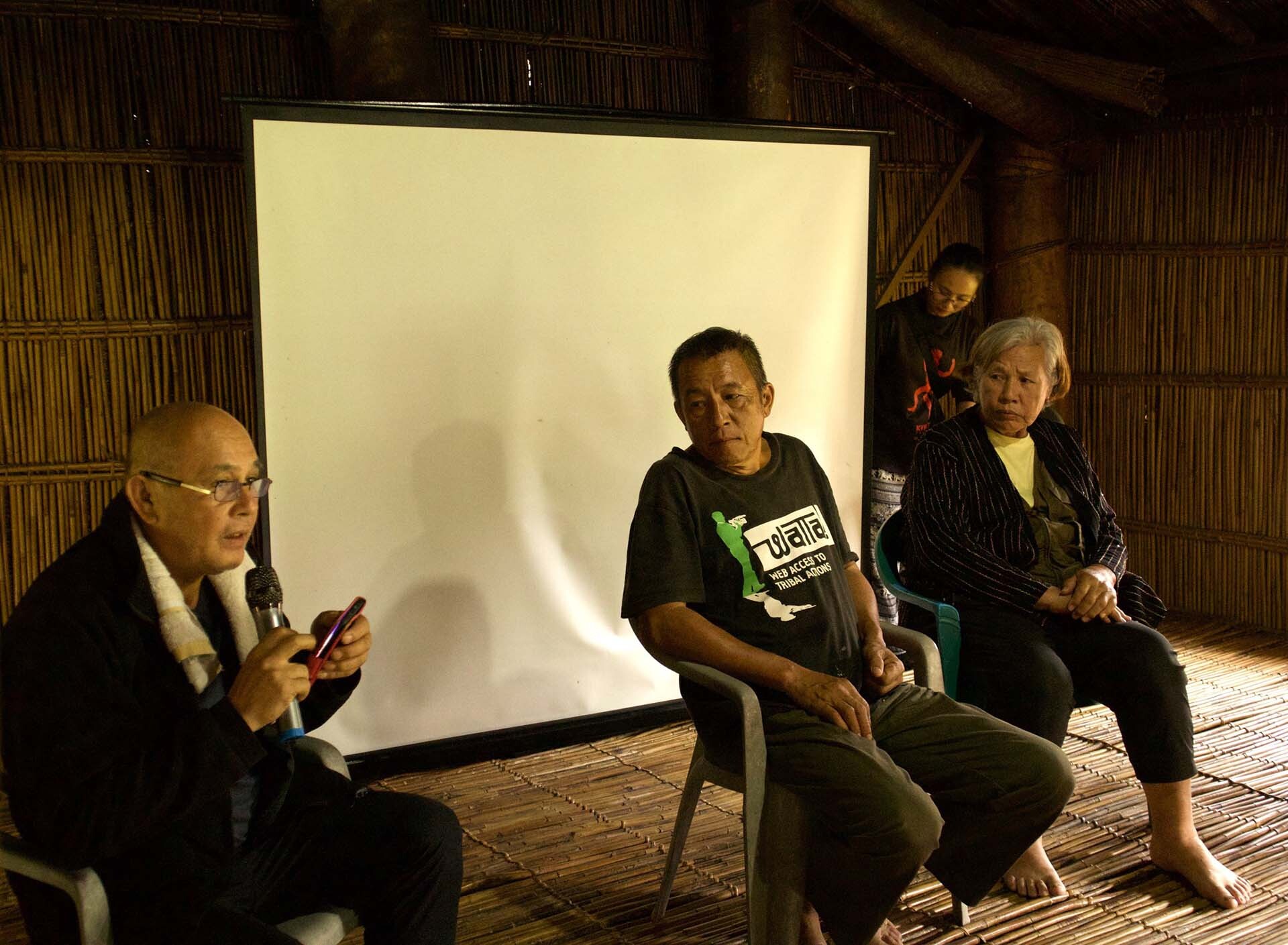
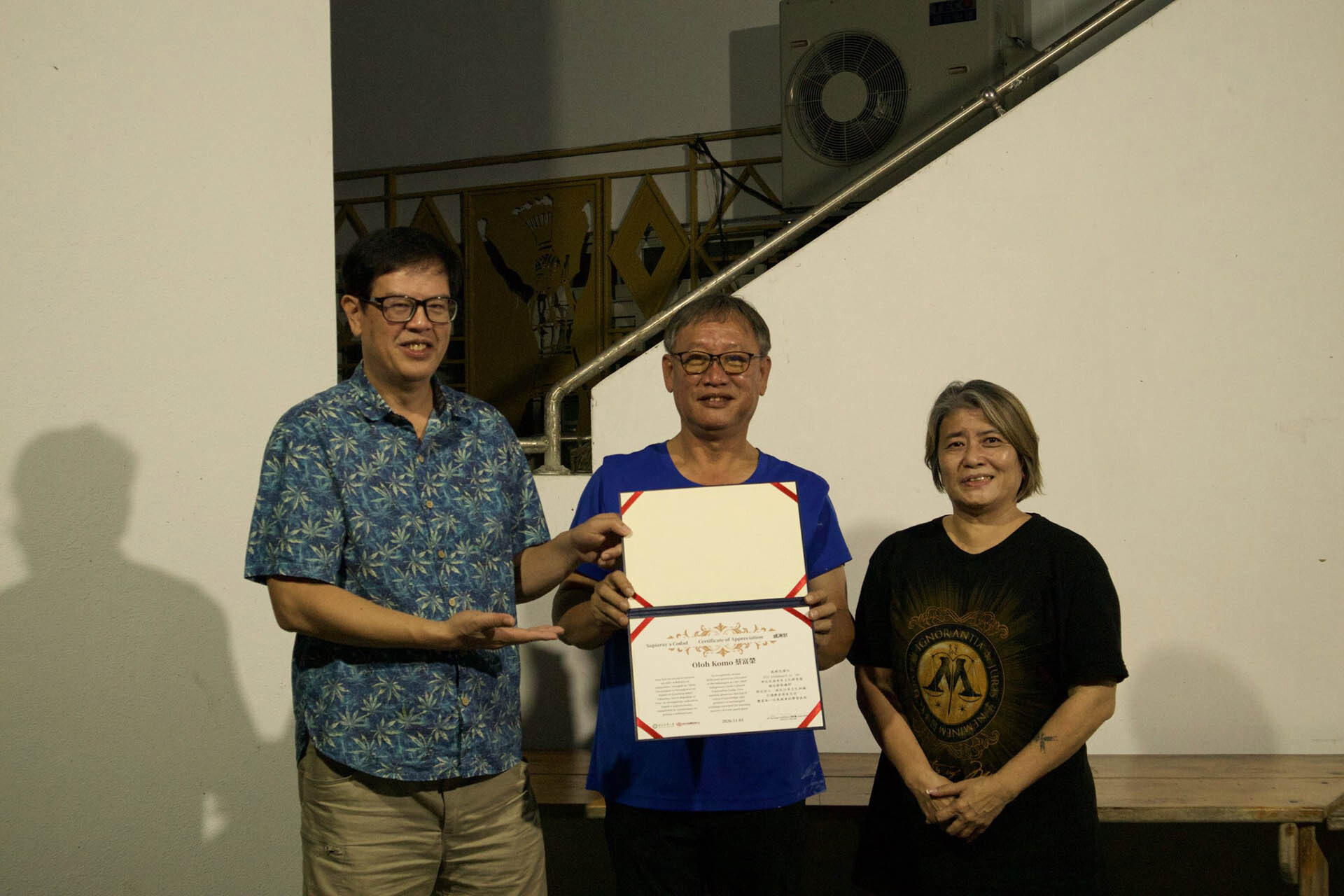
Kiwit community member Oloh Komo (蔡富榮) explained how residents pooled resources in 2013 to establish cultural rafting, linking community livelihoods with cultural transmission. He also recalled how community members opposed a proposal to remove large rocks from the river for rafting safety. These rocks carry place names and historical meaning and provide habitats for fish; removing them would affect both cultural memory and the river’s ecology. His account helped participants understand river governance through concrete questions of community authority, environmental responsibility and whose knowledge informs decisions. He encouraged young people to stay connected to their communities and consider how their education might contribute to community futures. Assistant Professor Ming-chi WU of tribal community members and National Pingtung University also responded to participants’ questions, highlighting the continuing importance of Indigenous advocacy and action.
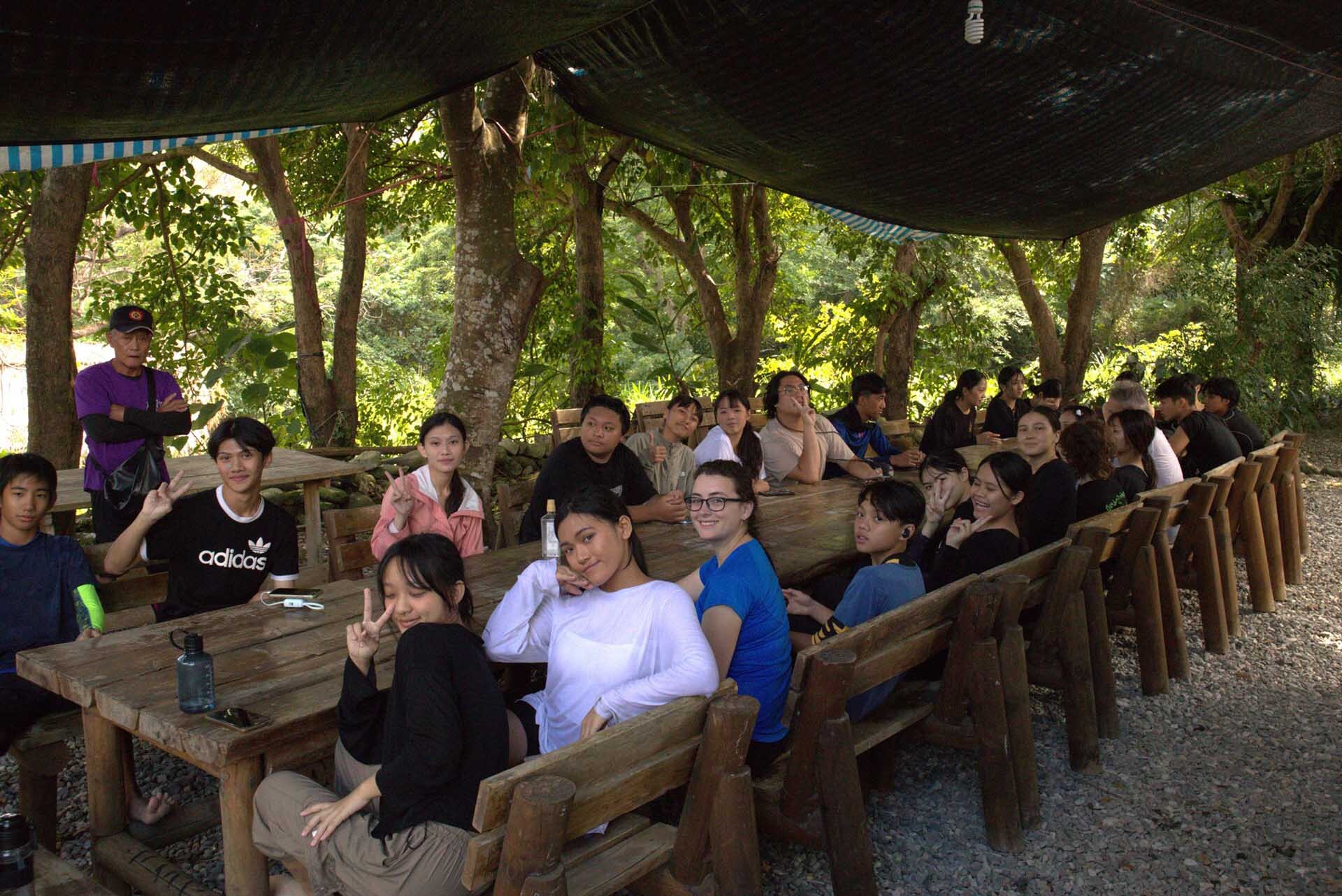
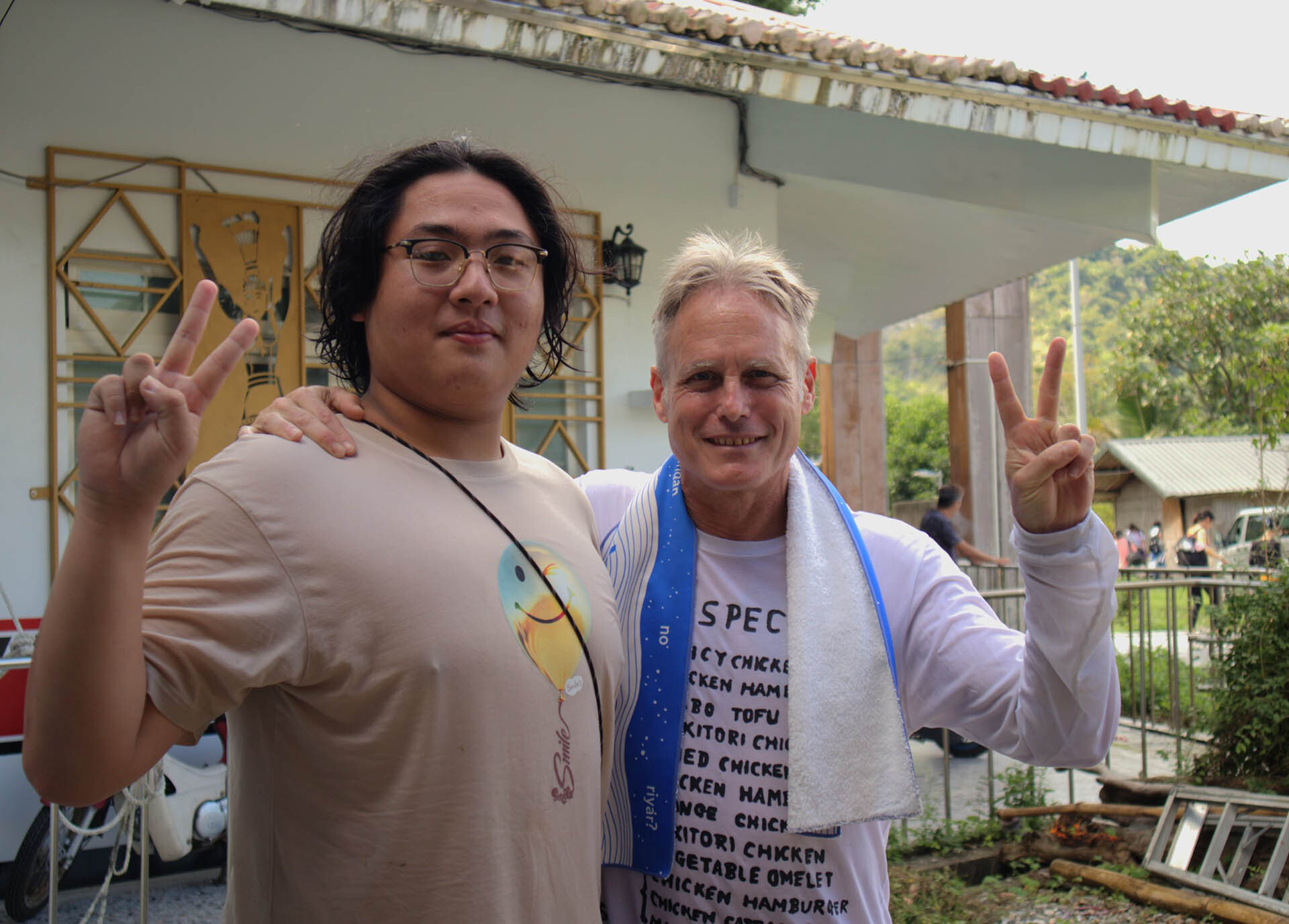
Multilingual learning connected these experiences across cultural backgrounds. CIIA visiting scholar Dr. Aaron Huey Sonnenschein facilitated multilingual small-group activities and games using Indigenous-language cards, encouraging participants to speak, listen and share their experiences across languages. NDHU students and international students served as group facilitators, supporting discussion and collaboration throughout the camp. These interactions helped young participants build confidence in using their heritage languages and expressing their identities. International students also deepened their understanding of Taiwan’s cultural diversity and Indigenous experiences through sustained interaction with participants and community knowledge holders, making the camp a reciprocal learning experience.
Building Relationships and Supporting Indigenous Youth
In the final group presentations, participants connected their experiences on the river with questions arising in their own lives. They spoke about difficulties in learning their heritage languages, uncertainty about belonging and experiences of discrimination, while offering one another support. Their engagement, thoughtful questions and willingness to reflect exceeded the organizing team’s expectations. Dr. Sifo Lakaw noted that these conversations underscored educators’ responsibility to support young people who continue to face anxiety about whether they are “Indigenous enough,” and to create learning environments where their experiences are heard and respected.
CIIA Director Professor Jolan HSIEH emphasized that the camp also put the Center’s commitment to ethics in community-based engagement into practice. Kiwit’s knowledge holders contributed to the construction and transmission of knowledge, the interpretation of culture and the education of younger generations. Recognizing these contributions is fundamental to building responsible university–community relationships. Such partnerships require respect for Indigenous knowledge and community priorities, mutual trust and a continuing commitment to ensuring that collaboration benefits the community beyond a single event.
From the Whanganui River to Tarawadaw River, the camp brought international Indigenous experiences into dialogue with learning grounded in community life. CIIA will continue working with Indigenous communities and partners in Taiwan and abroad to support young people as they strengthen their cultural identities, explore educational opportunities and build the confidence to participate in public life and engage with the wider world.