
From Taiwan to the World: Contributing to Global Indigenous Research Dialogues
Professor Bavaragh Dagalomai (Jolan HSIEH謝若蘭), a Siraya scholar and Director of the Center for International Indigenous Affairs (CIIA) at National Dong Hwa University (NDHU), led a research delegation to Auckland, Aotearoa New Zealand, to participate in the 2026 International Indigenous Research Conference (IIRC 2026).
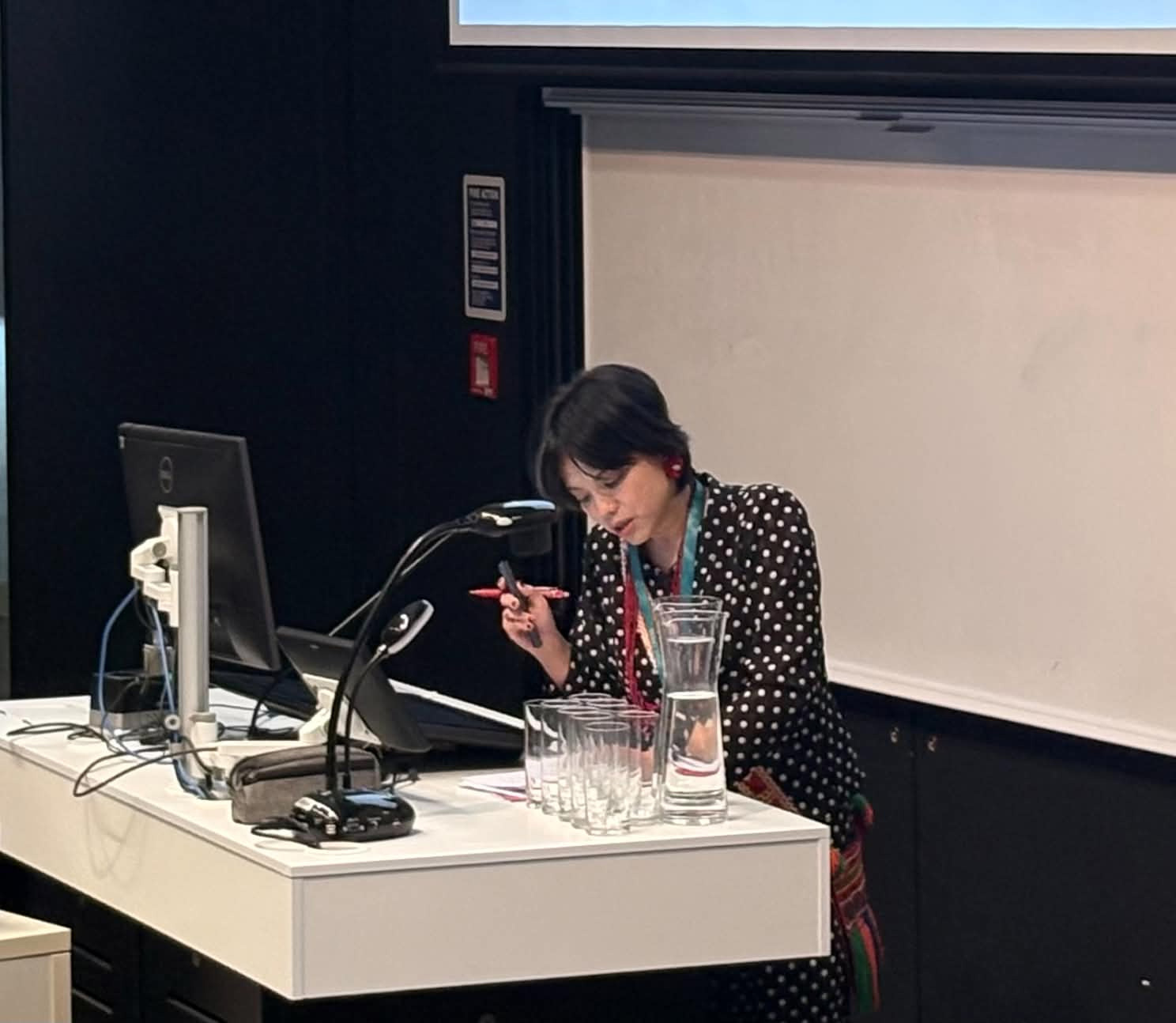
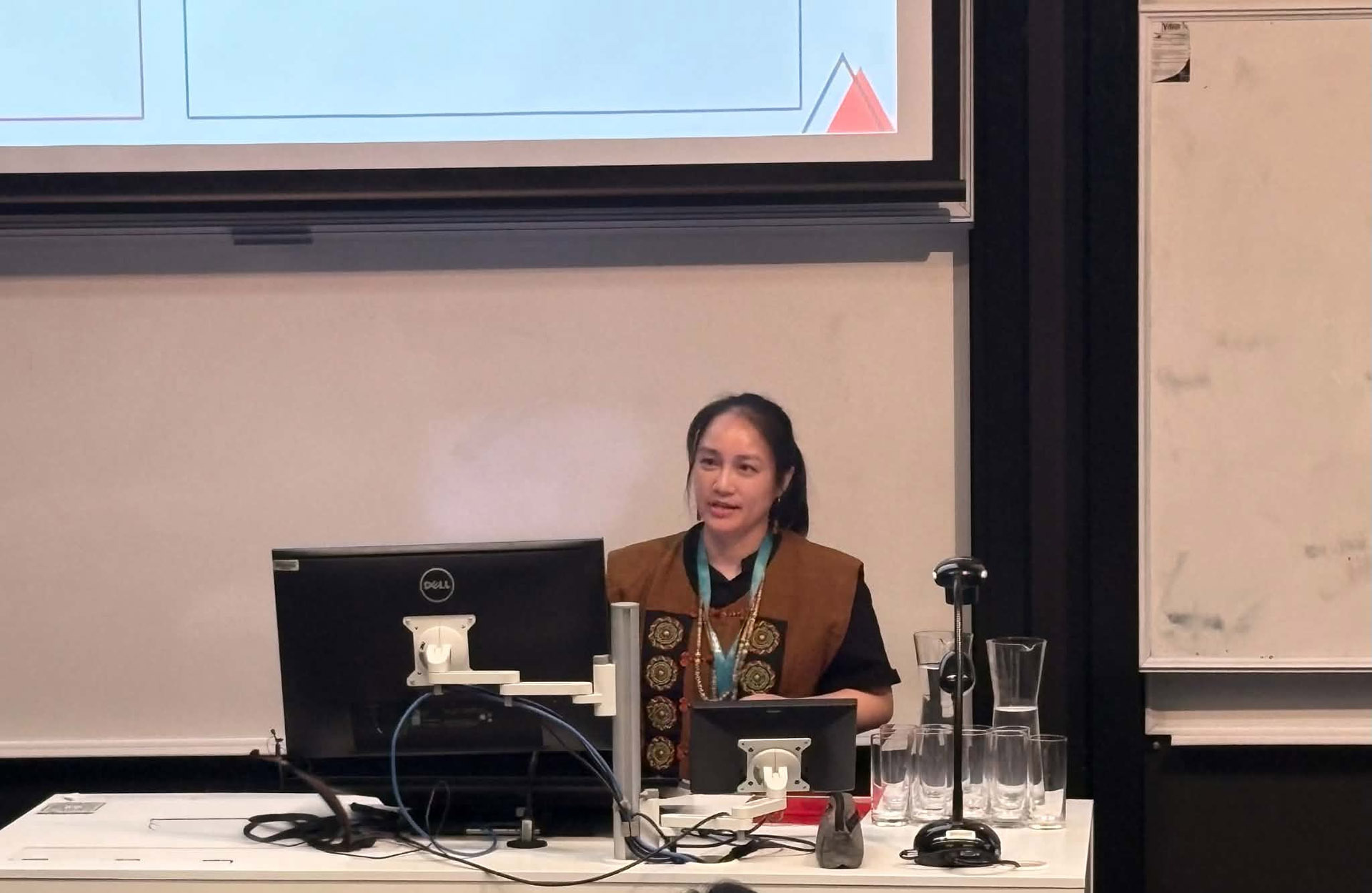
The delegation brought together university academics, doctoral candidates, Indigenous media professionals, and community practitioners. Professor Hsieh organized and chaired two panels and presented her own research as well. Together, the eight presentations showcased knowledge developed through collaboration between Indigenous researchers and communities in Taiwan.
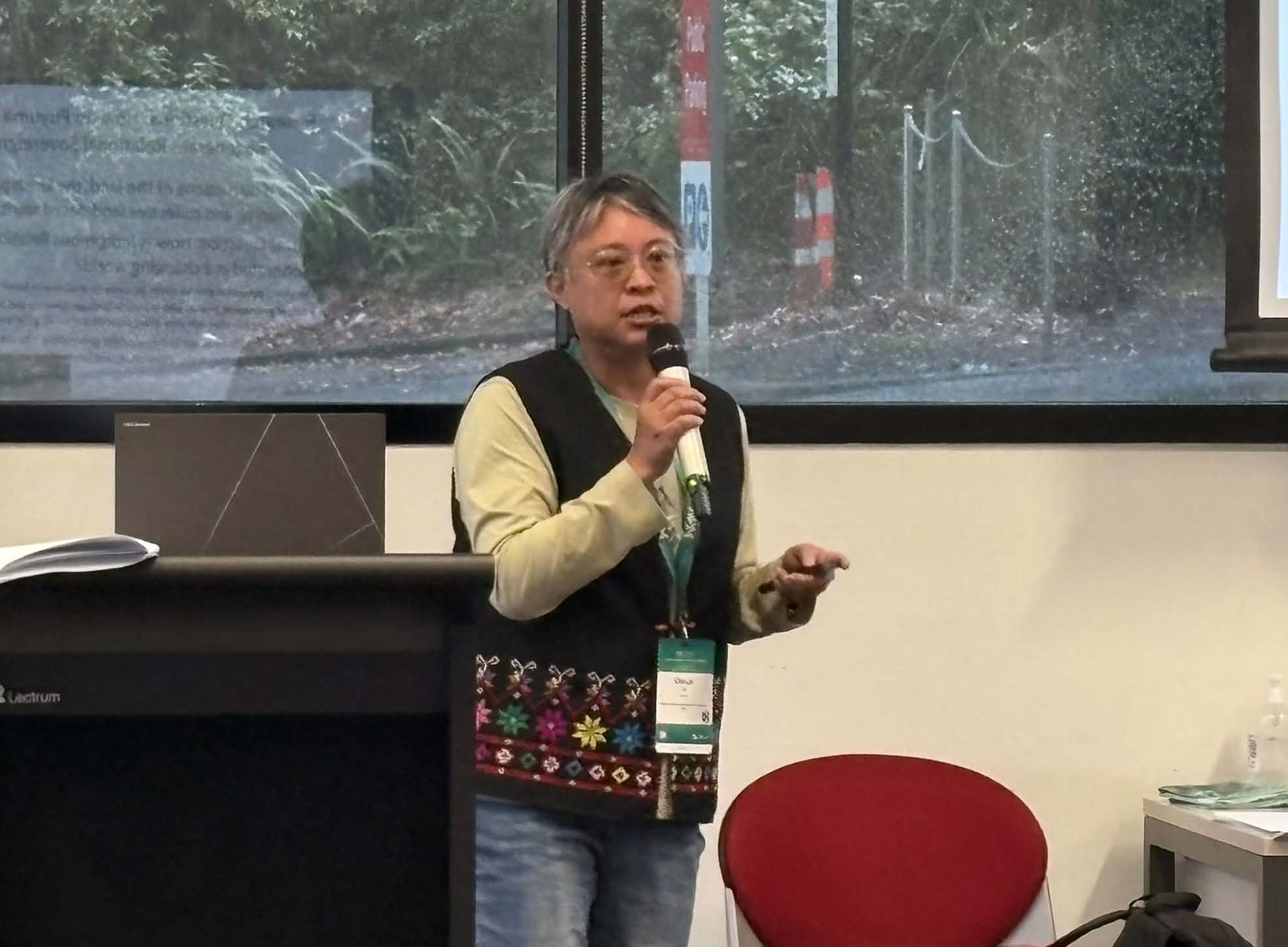
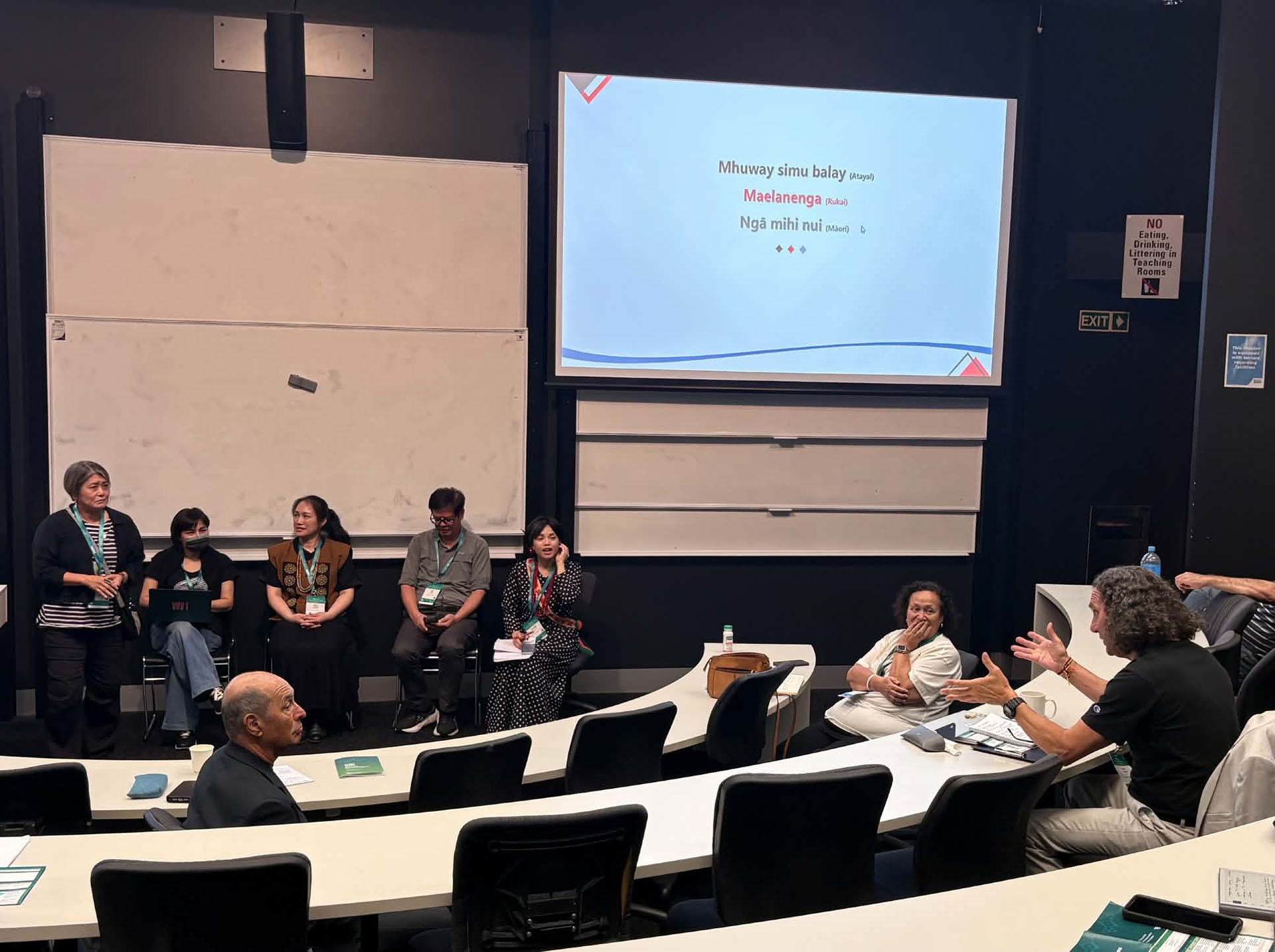
Both sessions generated lively discussions, bringing researchers from Taiwan, Māori communities, Canada, and many other Indigenous contexts into dialogue and creating opportunities to critically reflect on their research through shared experiences and diverse perspectives.
Educational Sovereignty: Practices and Challenges
The first panel, Beyond Colonial Horizons: Reimagining Indigenous Methodologies, Sovereignty, Territories, and Identities in Taiwan, opened with a fundamental question concerning educational sovereignty.
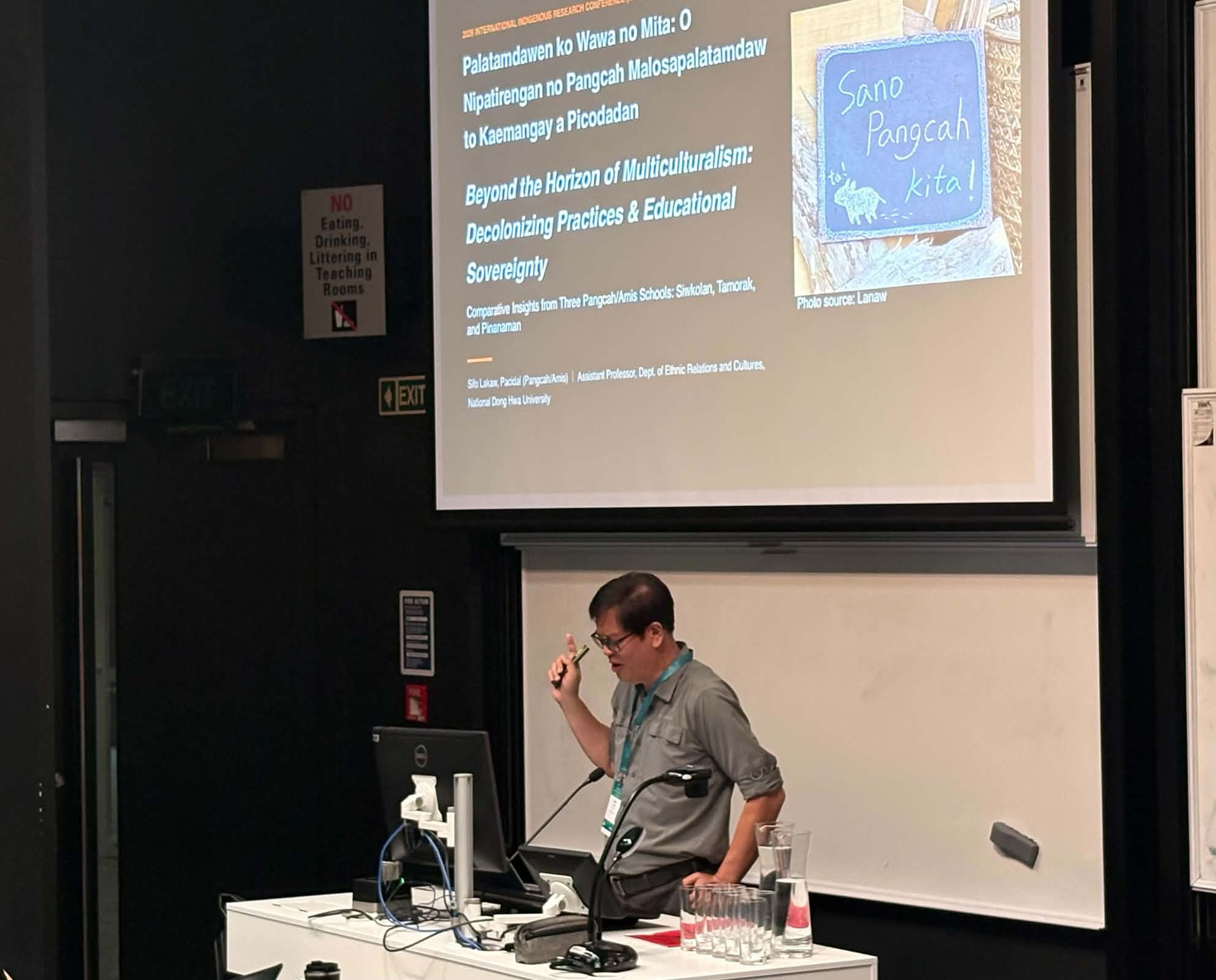
Sifo Lakaw, a Pangcah / Amis scholar and Assistant Professor in the Department of Ethnic Relations and Cultures at NDHU, compared three models of Pangcah schooling. His research highlighted how state-granted educational autonomy does not necessarily enable Indigenous communities to determine the criteria by which educational success is evaluated. Meaningful educational sovereignty requires Indigenous peoples to define their educational aspirations and achievements according to their own cultural values and knowledge systems.
Lawa Kusin, an Atayal media professional and former CEO of the Indigenous Peoples Cultural Foundation, shared her experiences of developing an urban Indigenous library in Taipei and supporting Indigenous women to become storytellers. Through storytelling circles, women living away from their ancestral communities shared and listened to one another’s stories. Personal and family memories became resources for healing, reclaiming cultural identities, and rebuilding community connections in urban settings.
Sera Mika (Yen-Ling LIN 林姸伶) a Pangcah doctoral candidate at the Graduate Institute of Building and Planning, National Taiwan University (NTU), examined a geothermal development dispute involving the Katratripulr community in Taitung. Her research explored how decisions made through Indigenous community governance mechanisms were subsequently invalidated through state administrative procedures. The case raised critical questions about Indigenous self-governance and the extent to which community decisions carry substantive authority.
Pisuy Bawnay, an Atayal doctoral candidate at Te Kawa a Māui, Victoria University of Wellington, drew on interviews with 20 Indigenous scholars from Taiwan to explore the constellation paradigm, known as Tātai Aroraki or Tātai Arorangi. The paradigm recognises the distinct languages, histories, and knowledge traditions of different Indigenous nations while allowing their research approaches to remain interconnected. Grounded in Taiwan’s diverse Indigenous contexts, her work contributes to international methodological discussions about advancing decolonising research while respecting the epistemological diversity of Indigenous peoples.
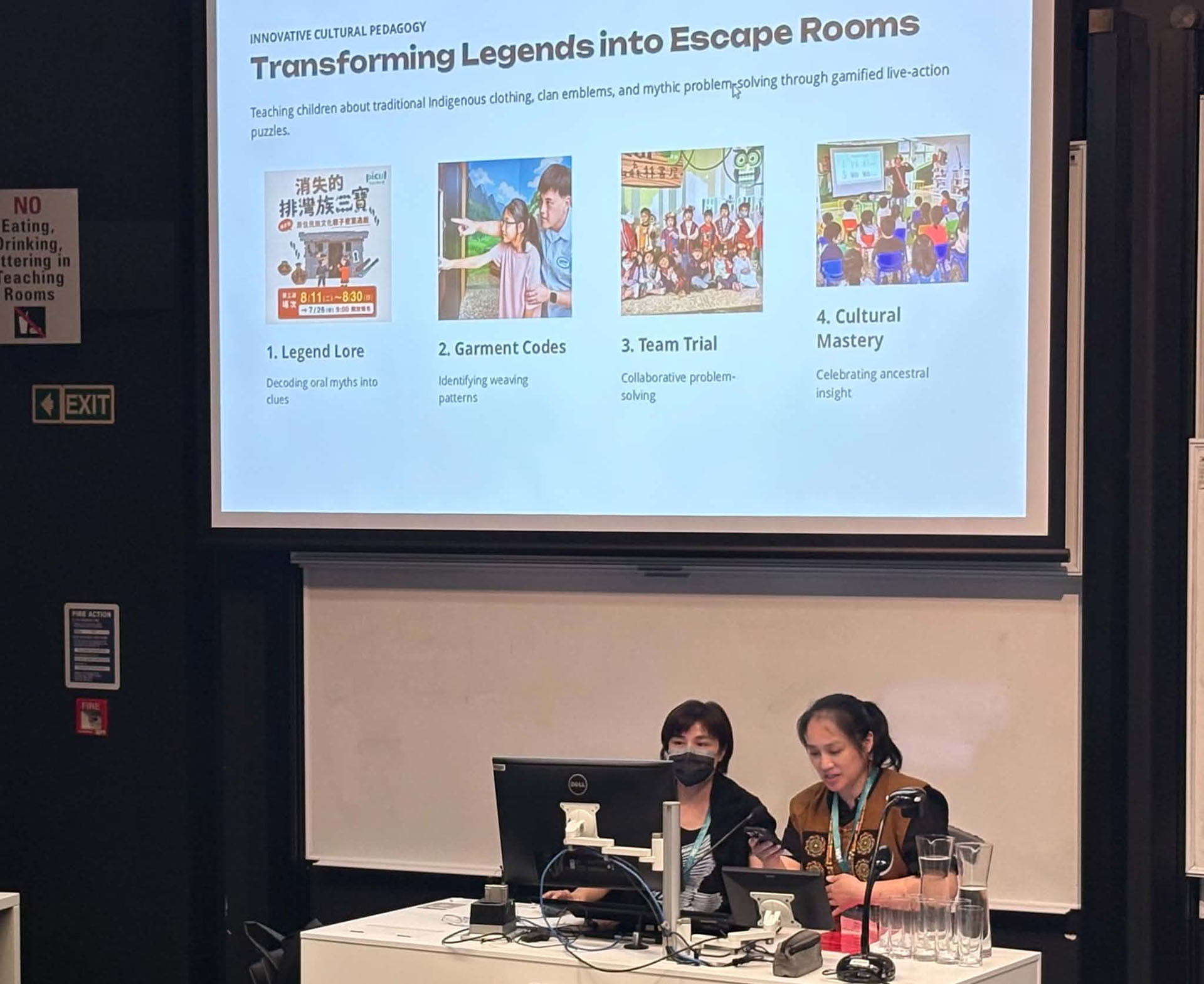
Relational Horizons: Intersectional Perspectives on Kinship, Care, and Leadership
The second panel, Relational Horizons: Decolonising Indigenous Kinship, Care, and Leadership in Taiwan, explored how relationships with families, lands, ancestors, and communities shape understandings of kinship, sovereignty, care, and leadership.
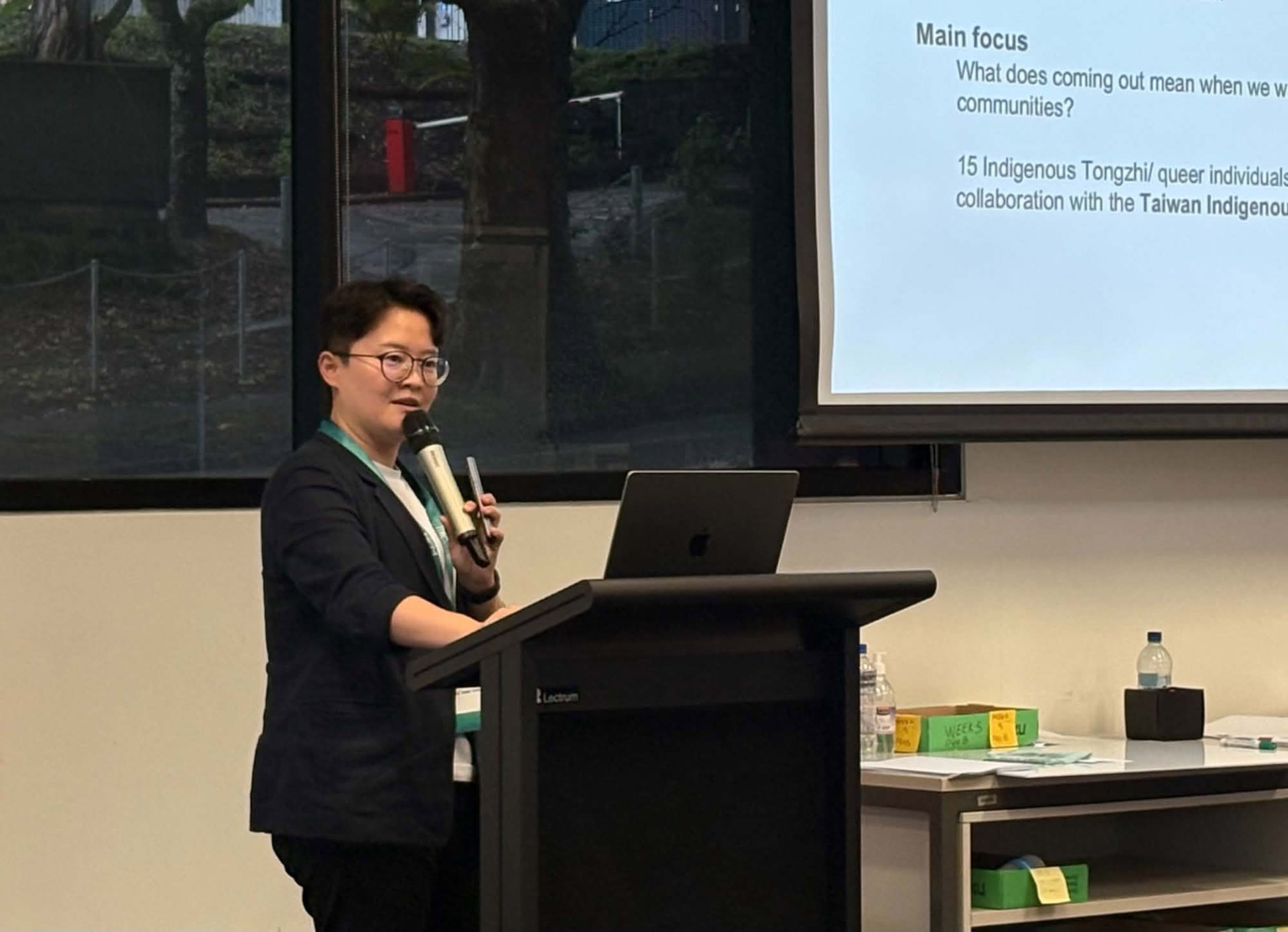
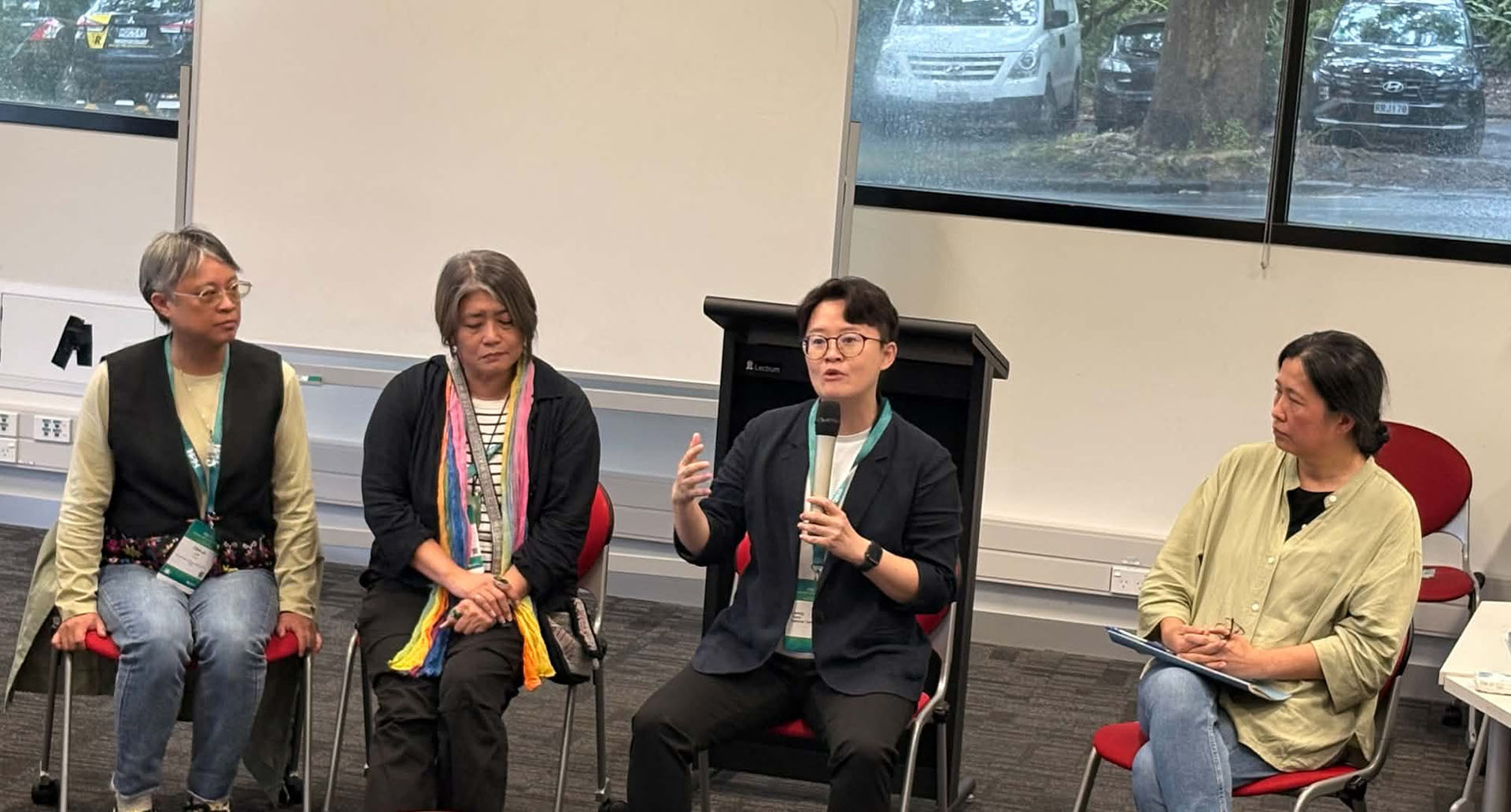
Ciwang Teyra, a Truku scholar and Associate Professor in the Department of Social Work at NTU, collaborated with the Taiwan Indigenous LGBTQ+ Alliance to interview 15 Indigenous LGBTQ+ individuals. Participants described experiencing ethnic stereotyping within LGBTQ+ communities and sexuality-related stigma within their Indigenous communities. Many nevertheless chose to come out to their families because they wanted their loved ones to know them more fully. Ciwang described these experiences as “coming out is also coming into relationships,” inviting participants to reconsider coming out through the significance of Indigenous kinship and belonging.
Professor Chin-Ju LIN (林津如)of the Graduate Institute of Gender Studies at Kaohsiung Medical University and doctoral student Idenan Puranpuran (陳玟宇) examined the collective weeding practices and accompanying ceremonies of Pinuyumayan women in the Sakuban tribal community of Taitung. Drawing on the concept of relational sovereignty, their research explored how reciprocal labour, collective care for the land, and ceremonial practices sustain relationships with ancestors and communities. Their work demonstrated how knowledge accumulated by Indigenous women across generations can contribute to broader scholarly understandings of sovereignty and land governance.
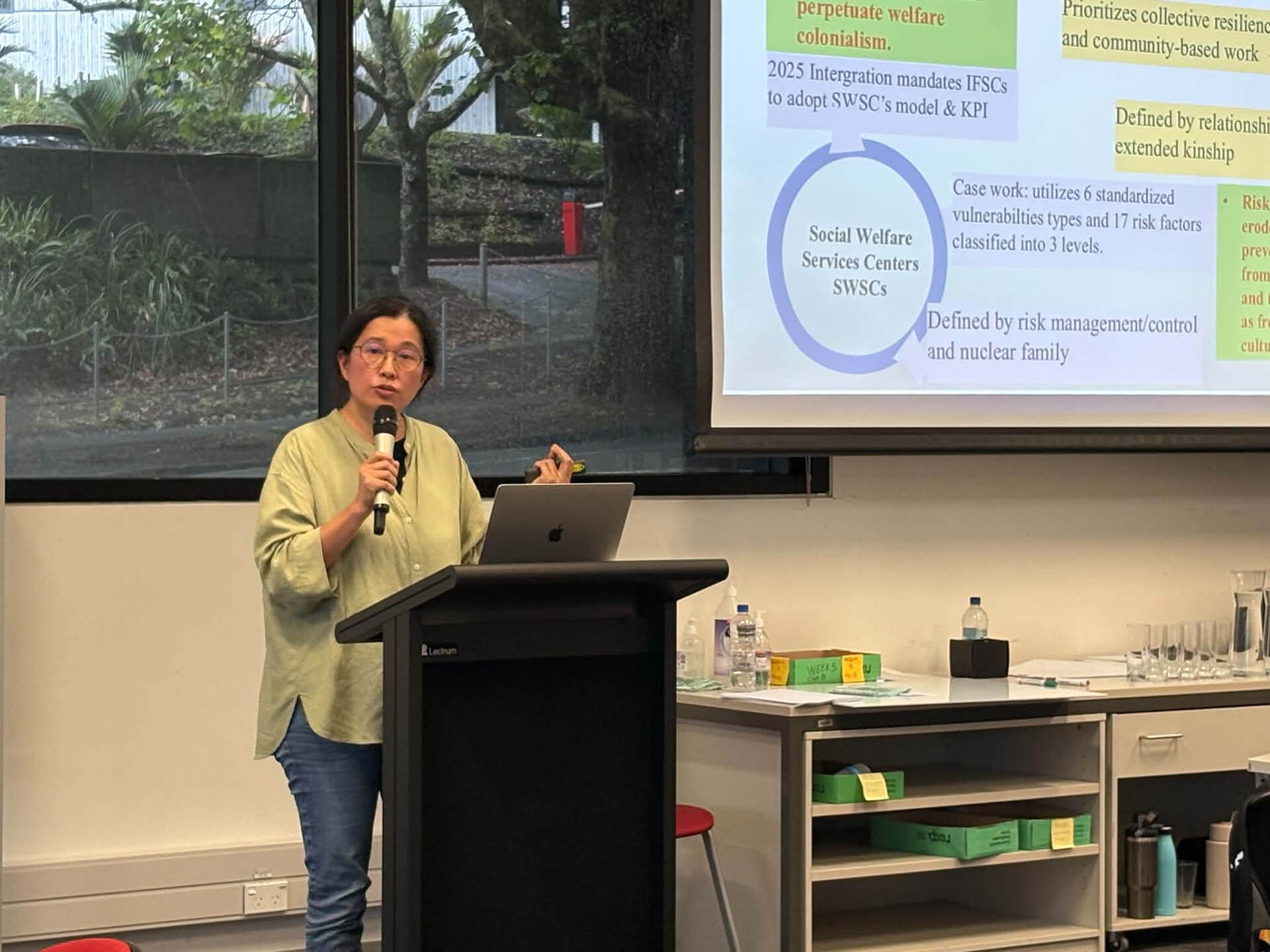
Professor Hiu-Ha CHONG (莊曉霞)of the Department of Indigenous Development and Social Work at NDHU, in collaboration with social worker Lituk Boxil, examined changes in Indigenous family service centres following their incorporation into Taiwan’s strengthened social safety net. Their research questioned how assessments of so-called “vulnerable families,” based on nuclear-family models, may overlook existing kinship networks and collective systems of care, potentially pathologising Indigenous ways of living. Drawing on the Pangcah concept of Madipot (mutual assistance), they proposed an approach to social work grounded in relational responsibilities, mutual support, and community resilience.
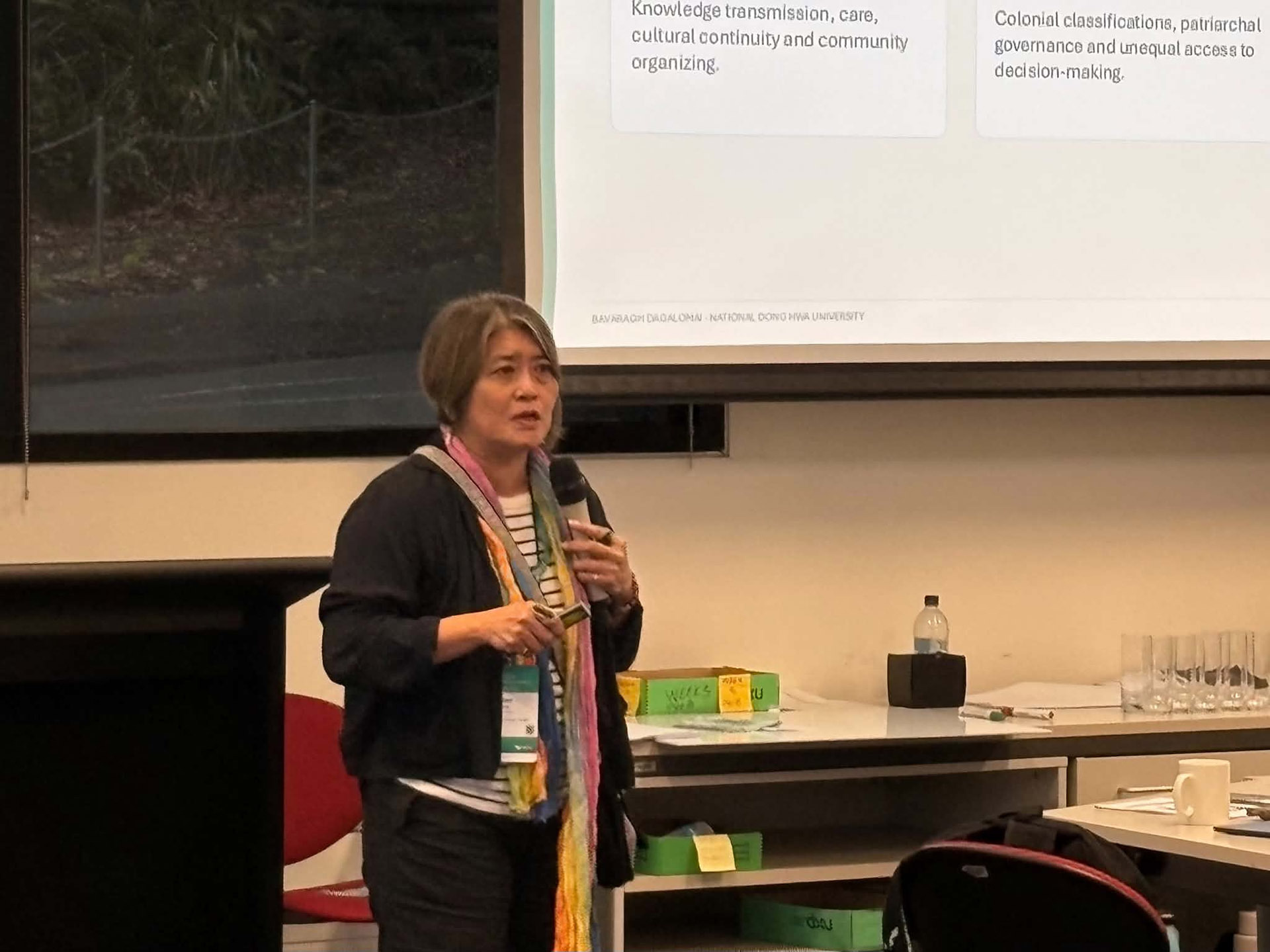
Bavaragh Dagalomai drawing on Indigenous feminist perspectives, presented a framework for Indigenous women’s empowerment encompassing five dimensions: cultural identity, relational leadership, intergenerational mentorship, policy engagement, and global Indigenous networks. Her presentation examined the relationship between leadership and power. When Indigenous women gain a seat at decision-making tables, whose knowledge determines the rules of engagement? To whom are those decisions accountable? Her research extended discussions of women’s empowerment into institutional transformation, examining whether participation enables Indigenous women to exercise meaningful authority in setting agendas and shaping decisions.
Taiwan’s Contributions to Global Indigenous Scholarship
The lively exchanges following both panels underscored the significance of Taiwan’s contributions to international Indigenous scholarship. Research grounded in Taiwan’s Indigenous languages, histories, territories, and community practices offers distinctive perspectives on shared challenges while contributing to the development of Indigenous theories, methodologies, and decolonising practices worldwide.
Professor Bavaragh Dagalomai noted:
“One of the most valuable aspects of organising a delegation to an international research conference is creating opportunities for those who have long been engaged in research and practice within Indigenous communities, urban settings, and universities to articulate their own concerns, learn how other Indigenous peoples understand similar circumstances, and collectively reflect on the contemporary realities of Indigenous peoples.”
She also expressed her appreciation to the Council of Indigenous Peoples, the Taiwan Foundation for Democracy, and the National Science and Technology Council for their financial support, which enables Indigenous scholars and emerging researchers from Taiwan to participate in international academic exchanges.
Through sustained engagement with Māori and other Indigenous research communities worldwide, CIIA remains committed to supporting Indigenous knowledge production, fostering interdisciplinary research partnerships, and strengthening opportunities for emerging Indigenous scholars.
The conversations initiated at IIRC 2026 will continue beyond the conference, informing future research and collaboration in Taiwan while contributing to the ongoing development of global Indigenous scholarship.