

Indigenizing Sustainability:Transnational Scholars Conduct Field Visit to Fata’an Indigenous Community in Hualien
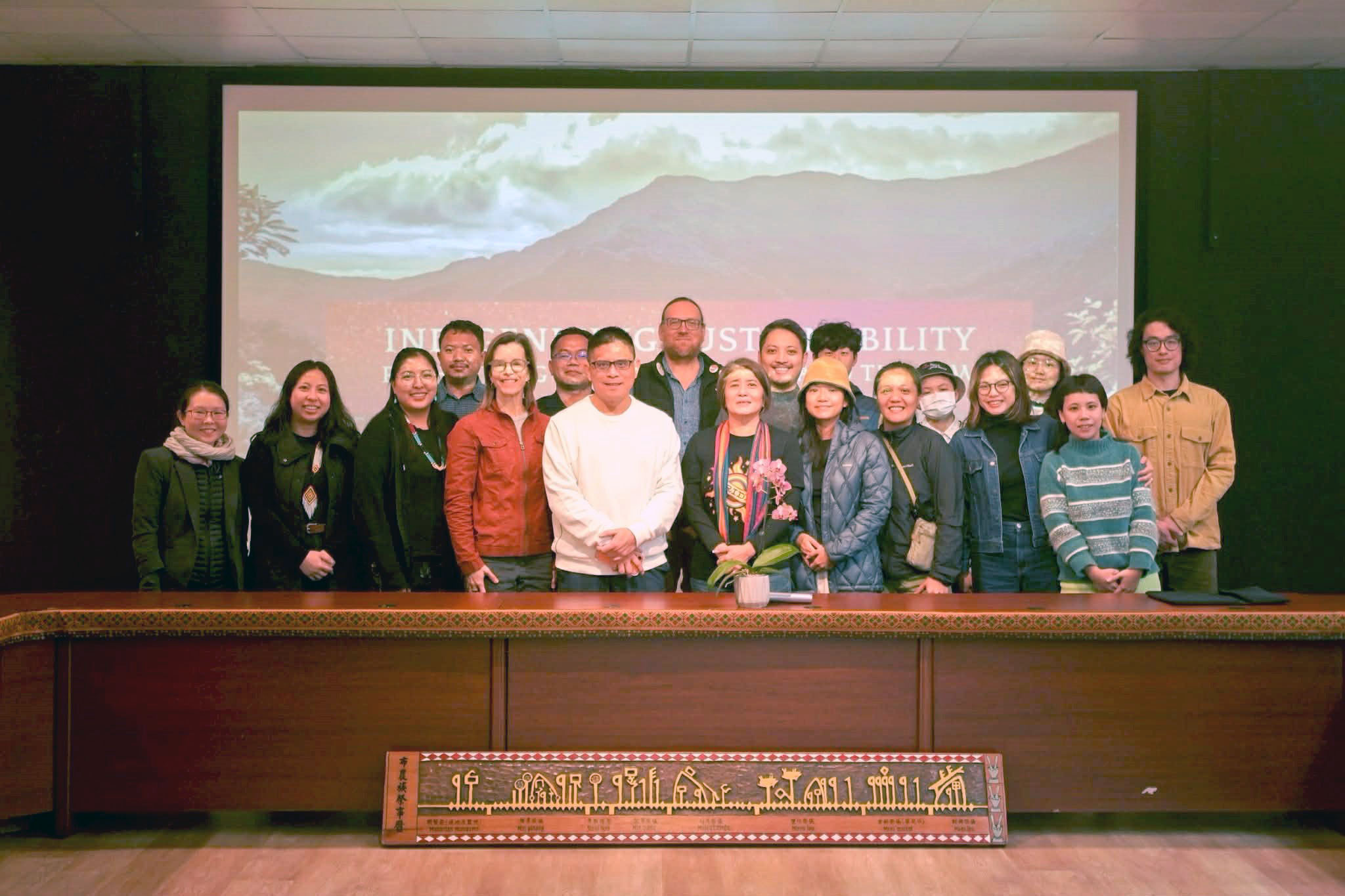
On January 12, 2026, the Center for International Indigenous Affairs at National Dong Hwa University (NDHU), in collaboration with the College of Humanities and Social Sciences at NDHU and the Research Center for Humanities and Social Engagement at Taipei Medical University, convened a full-day international workshop titled “Indigenizing Sustainability: Rethinking Nature, Gender, and the Law.”
The workshop was co-organized by Director Bavaragh Dagalomai (Jolan HSIEH), Dean Awi・Mona, and Associate Professor Powell Dana Elizabeth, and consisted of a half day academic symposium on campus followed by field visit to the Fata’an Indigenous community in Hualien.
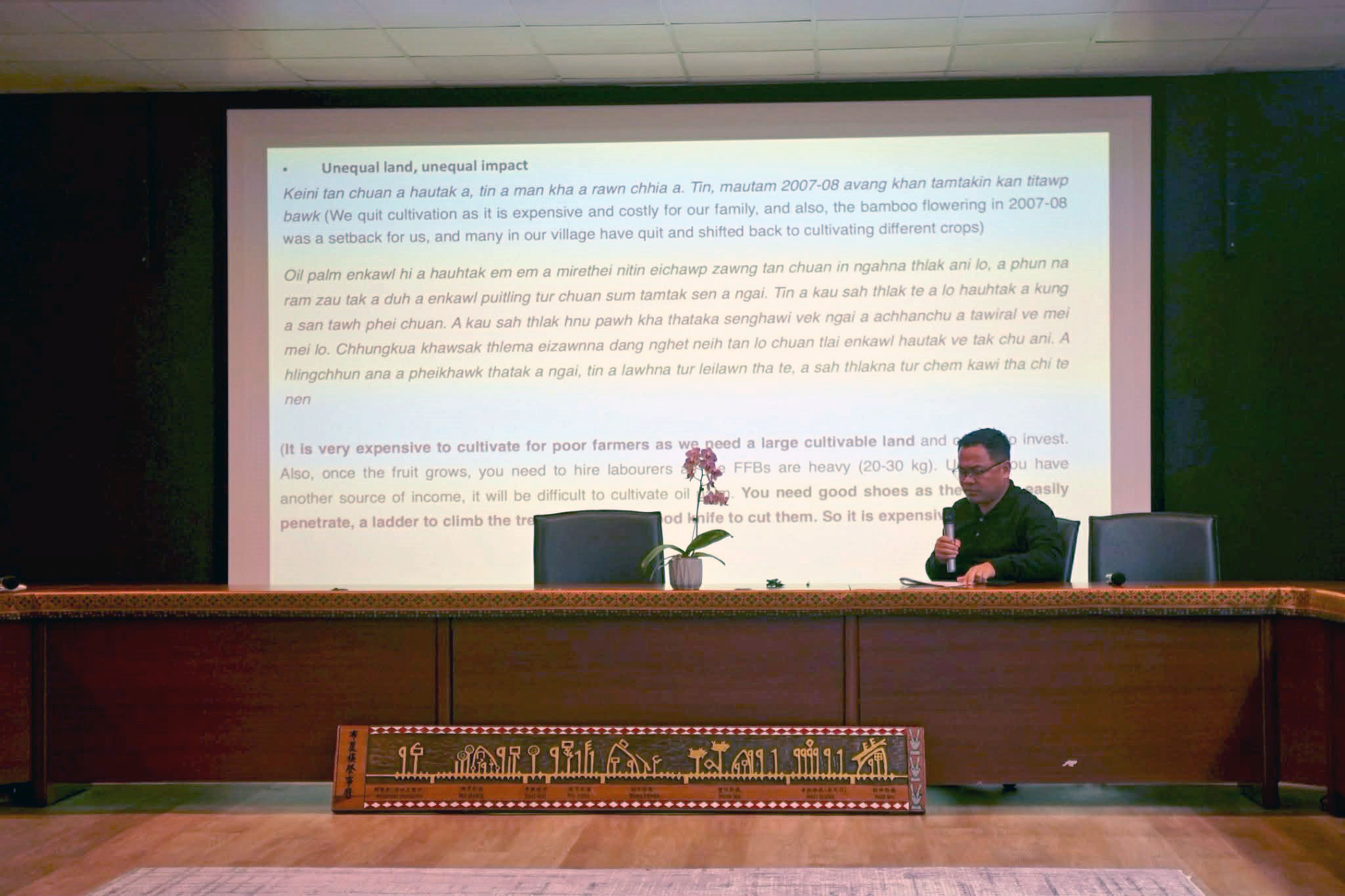
Scholars from the Canada, United States, India, Singapore, and Taiwan participated in the workshop, fostering transnational dialogue on Indigenous environmental governance. The keynote lecture was delivered by Associate Professor Roluah Puia from the Department of Humanities and Social Sciences at the Indian Institute of Technology Roorkee. His presentation examined state governance, agricultural modernization, plantation politics, and the structural inequalities produced through Indigenous livelihood transitions. Through comparative discussions, participants reflected on the shared challenges Indigenous communities face under development-oriented policies and environmental governance regimes across different regions.
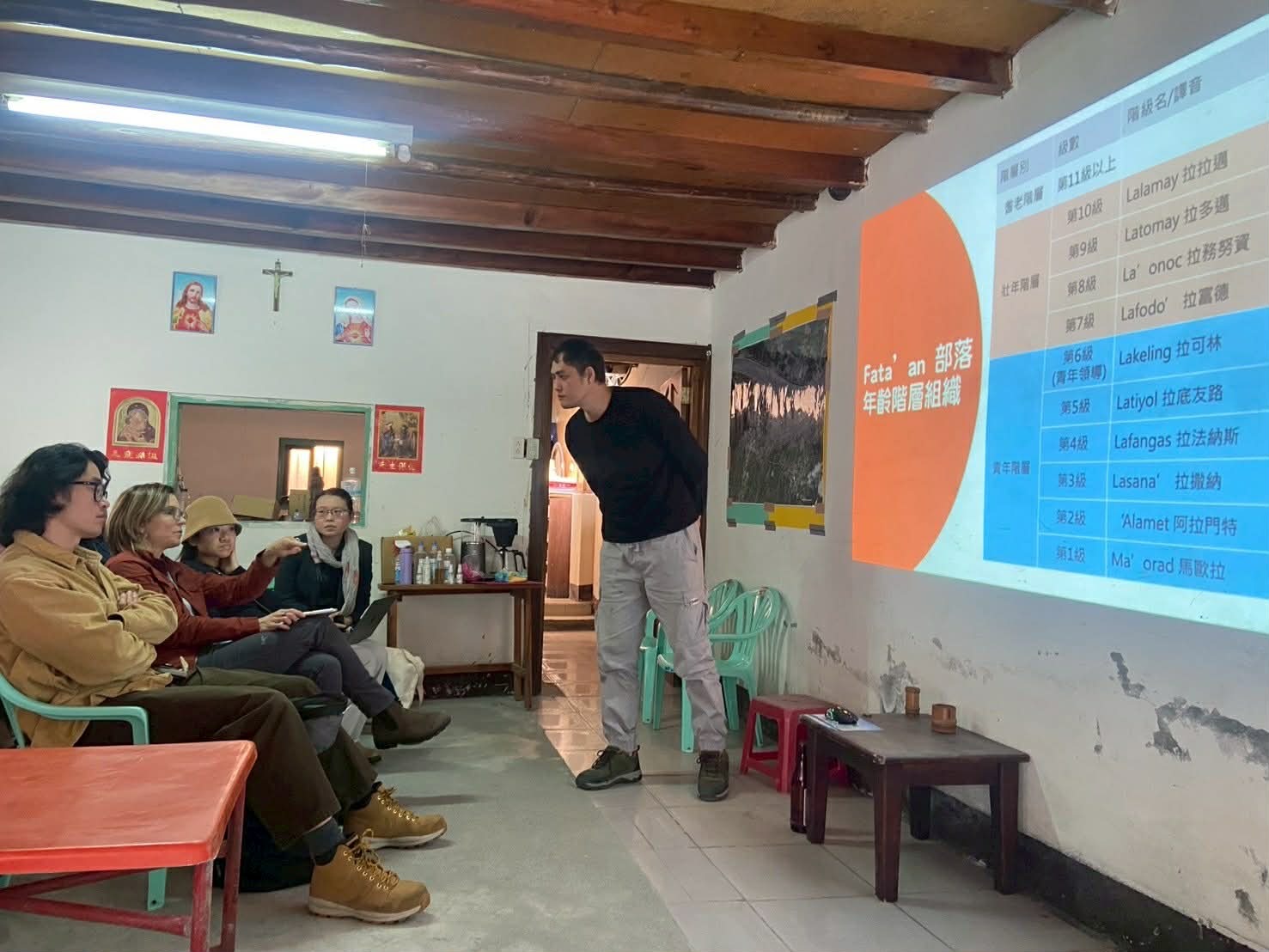
Participants also traveled to the Fata’an Amis / Pangcah community for a field visit. The first stop was the Cilah Salt Workshop, where local activist Kulas Umo shared the community’s experiences following the formation of a landslide-dammed lake in the Mata’an River on September 23, 2025. He detailed the community’s emergency response and ongoing recovery efforts. Fata’an has long maintained a social organization centered on age-set institutions (Selal). During the disaster, the Selal system mobilized swiftly—prior to formal government jintervention—coordinating rescue operations and resource distribution with remarkable efficiency and collective discipline.
Historically, the migration pathways of Fata’an have been closely intertwined with floods and droughts. Traditional place names encode Indigenous ecological knowledge of river behavior and flood-prone areas. The Amis / Pangcah place name Ci’ongan, meaning “where the water turns,” gained renewed significance after the disaster. As Kulas Umo reflected, “Only after this flood did we truly understand why this place carries such a name,” a statement that poignantly conveyed the community’s collective trauma.
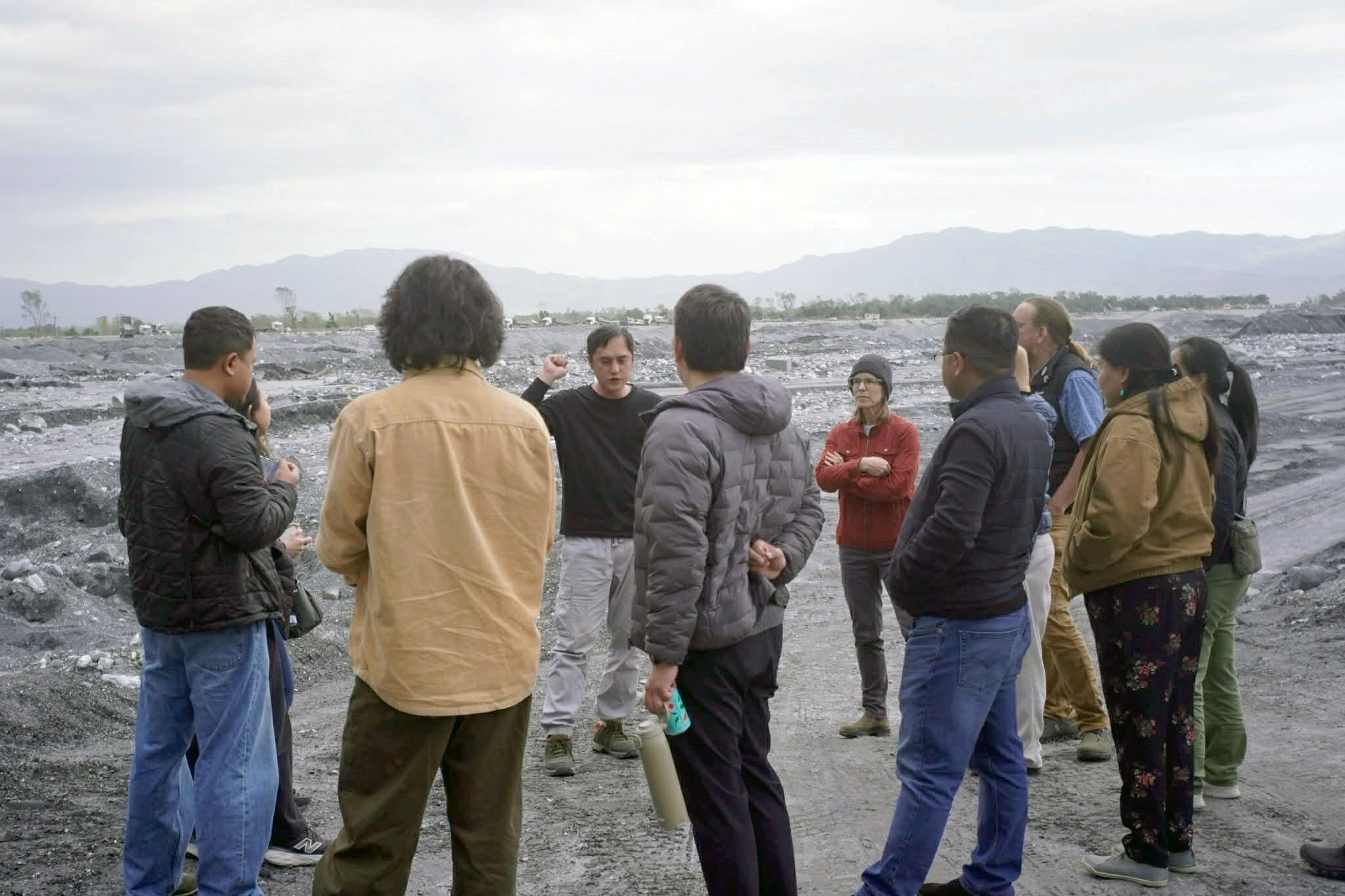
The second stop brought participants to a heavily silted section beneath the Mata’an River bridge, where extensive sediment deposition revealed the scale of post-disaster river engineering works. Participants expressed strong interest in Taiwan’s rapid mobilization of hydraulic engineering technologies and disaster management infrastructure.
The visit concluded at the Fata’an ossuary. Kulas Umo explained that during the Japanese colonial period, colonial authorities buried enemy skulls and ritual objects—symbols of warrior achievement—at this site as part of a strategy to weaken Indigenous kinship and the Selal. The site stands today as a tangible reminder of colonial violence and historical dispossession.
Historically subjected to external domination and dispossession, the Fata’an community continues to face heightened vulnerability under contemporary state governance structures that marginalize Indigenous peoples. Yet, the field visit also highlighted the resilience and autonomy embedded in Indigenous social institutions. The age-set system remains a vital source of collective strength and self-determination in times of crisis.
Through transnational academic exchange and on-the-ground engagement, this workshop underscored a shared global Indigenous reality: climate change, colonial legacies, and state governance are deeply entangled, shaping Indigenous relationships to land, livelihood, and future possibilities. The discussions reaffirmed that sustainability is not merely a technical or policy challenge, but a profound question of historical justice, Indigenous knowledge, and self-determination.