


Gathering Higher Education Sustainability Capacity: 2026 Taiwan Sustainable Governance Universities Alliance Annual Conference Held in the East Rift Valley
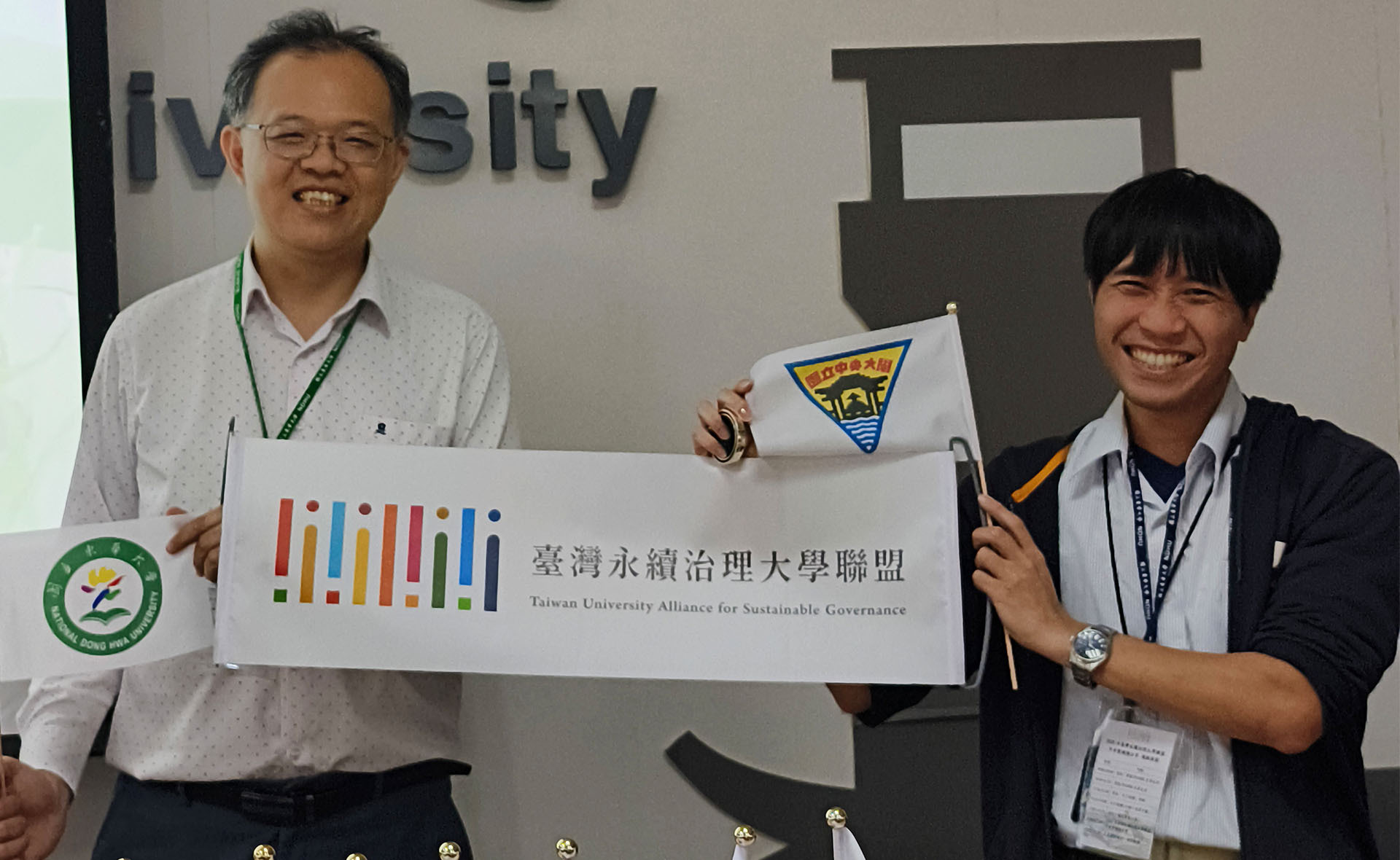
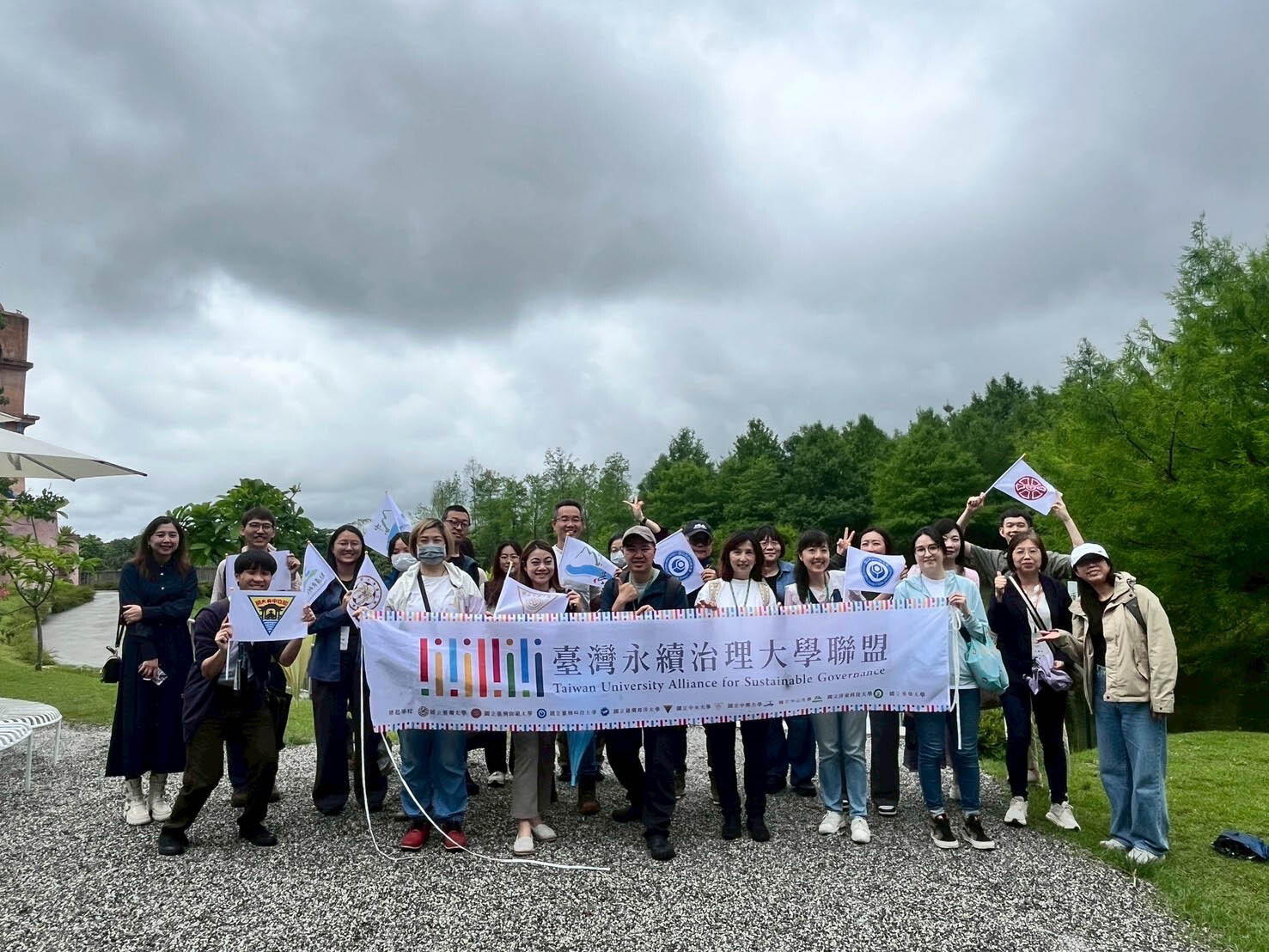
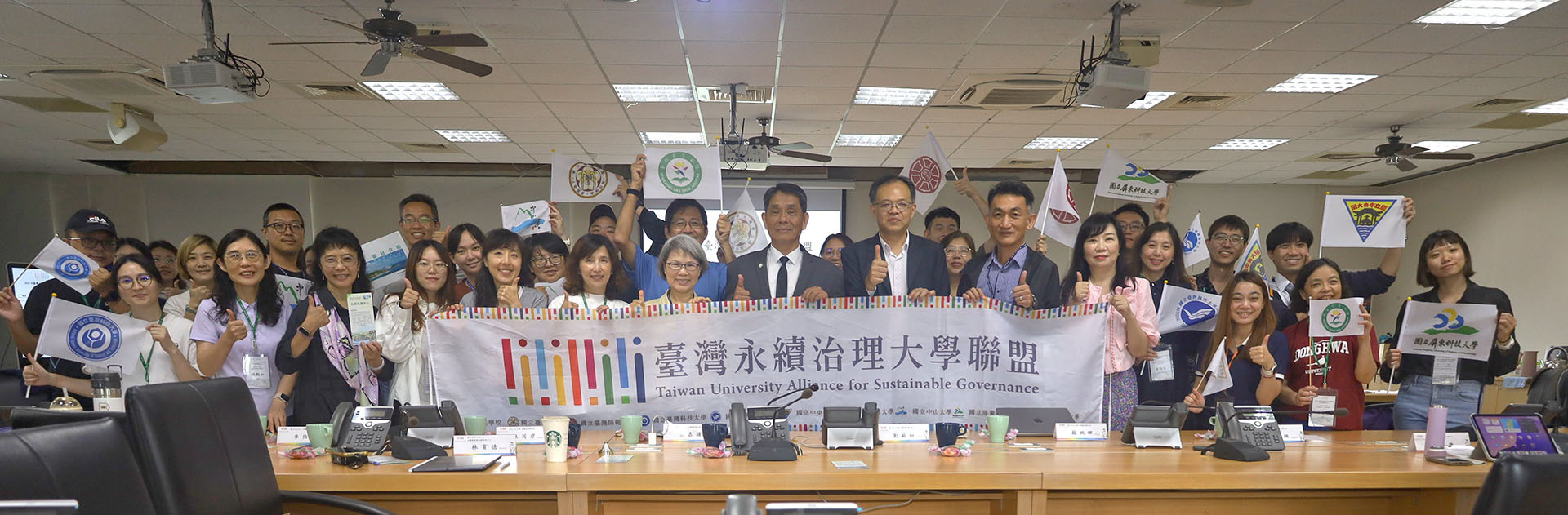
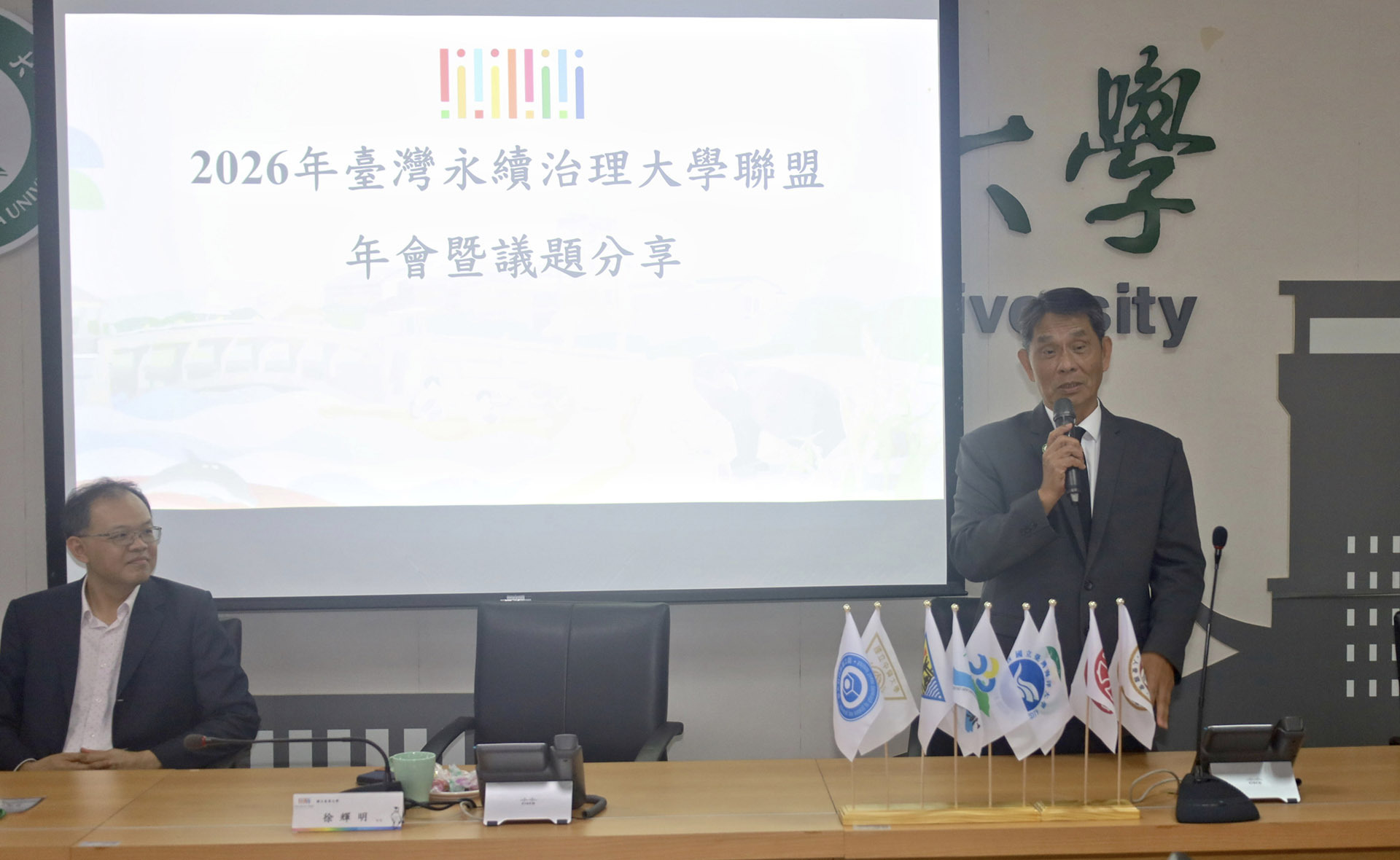
The 2026 Taiwan Sustainable Governance Universities Alliance Annual Conference was held on May 15 at the Shoufeng Campus of National Dong Hwa University (NDHU). The conference featured in-depth inter-university exchanges on key topics, including “University Greenhouse Gas Inventories,” “Carbon Neutrality,” “Biodiversity,” and “Disaster Resilience,” aiming to accelerate alliance members’ progress toward net-zero campuses while inspiring new approaches and strategies for sustainable governance.
Established in 2022, the Taiwan Sustainable Governance Universities Alliance consists of nine national universities: National Taiwan University, National Taiwan Normal University, National Taiwan University of Science and Technology, National Taiwan Ocean University, National Central University, National Chung Hsing University, National Sun Yat-sen University, National Pingtung University of Science and Technology, and National Dong Hwa University. The Alliance was established to build a collaborative network among higher education institutions and jointly advance university sustainability and social responsibility. In addition to annual gatherings, alliance members frequently exchange experiences through online communities and social platforms.
In his opening remarks, President Hui-Mi Hsu of NDHU stated that extreme climate events and environmental change are shared global challenges. Universities, he noted, are not only hubs for knowledge innovation and talent cultivation, but also important drivers of society’s green transition. National Dong Hwa University has long been committed to developing a low-carbon green campus and promoting local sustainability practices. The university warmly welcomed alliance partners to share practical experiences in carbon reduction, ecology, and disaster resilience to create positive cross-campus synergies.
As all nine alliance member universities are registered institutions under the Ministry of Environment’s Phase III Greenhouse Gas Inventory Program, the “Carbon Neutrality Workshop” focused on campus inventory operations and the use of the Ministry’s platform. Director Yao-Ming Hong of the Carbon Neutrality Research Center at National Dong Hwa University presented “Application of the LEAP–InVEST Integrated Framework in MRV-Oriented Carbon Neutrality Planning.” The presentation proposed a dual-model analytical framework integrating energy emissions and natural carbon sinks, offering a scientifically grounded and innovative pathway for evaluating the feasibility of achieving campus net zero by 2040.
Under the theme of “Biodiversity,” Assistant Professor Shiao-Yu Hong from the Institute of Wildlife Conservation at National Pingtung University of Science and Technology presented “Perching Structures in Agricultural Fields: Conserving the Endangered Grass Owl.” By installing artificial perches to attract raptors such as black-winged kites and grass owls, the initiative successfully replaced rodenticide use with ecological pest control, creating a win-win model for agricultural development and biodiversity conservation. Associate Professor Yi-Ju Yang from the Department of Natural Resources and Environmental Studies at NDHU also shared the outcomes of “Citizen Science, Amphibian Conservation in Taiwan, and Campus Frog Monitoring Surveys.” The project demonstrated the strength of a volunteer network involving more than 800 participants and launched an early detection and rapid response mechanism for the invasive cane toad, helping protect Taiwan’s native species.
As climate change intensifies compound disasters, “Disaster Resilience” has become a key concern among universities. Associate Chief Sustainability Officer Ching-Li Yang and Manager Yi-Chih Lee from the Office of Sustainability at National Sun Yat-sen University shared campus resilience initiatives and the social practice project “ENGAGE,” discussing how local knowledge, international collaborative learning, and disaster preparedness research can be integrated to build climate adaptation and disaster-resilient communities. Research Specialist Yi-Chi Teng from National Taiwan University reviewed the “NTU Resilient Campus Project,” proposing systematic optimization strategies for disaster management responsibilities, regular university-wide disaster drills, and campus disaster prevention mapping. In addition, Chief Sustainability Officer Chun-Hung Lee of NDHU presented “Large-Scale Disaster Estimation and GIS Applications in Hualien County,” showcasing practical applications of local disaster risk assessment and disaster response coordination mechanisms to strengthen urban and rural resilience against major disasters.
In addition to academic and practical presentations, the conference also arranged field visits to Promisedland Resort & Lagoon and Lichuan Fish Market, where alliance members observed sustainable tourism practices related to local organic aquaculture and environmental education facilities.
The 2026 Taiwan Sustainable Governance Universities Alliance Annual Conference concluded successfully amid enthusiastic exchanges, with alliance members set to reunite in 2027 at National Central University to continue building a more resilient and sustainable future for higher education.
# Taiwan Sustainable Governance Universities Alliance、# Biodiversity、# Disaster Resilience