


Dong Hwa University and the “Alingano Maisu” Voyaging Canoe Crew Strengthen Pacific Indigenous Educational Collaboration
The Center for International Indigenous Affairs (CIIA) at National Dong Hwa University (NDHU), in collaboration with the Micronesian Voyaging Society (MVS), co-organized a cultural and educational exchange program initiated last year. Led by master navigator Sesario Sewralur, the traditional Palauan voyaging canoe Alingano Maisu set sail again this February. After visiting Pingtung, Kaohsiung, and Taidung, the crew arrived in Hualien for a series of engagements integrating Indigenous cultural practices, ocean-based knowledge, and academic dialogue, highlighting trans-Pacific Indigenous knowledge connections.
Encounters Between Indigenous Communities and Ocean Knowledge
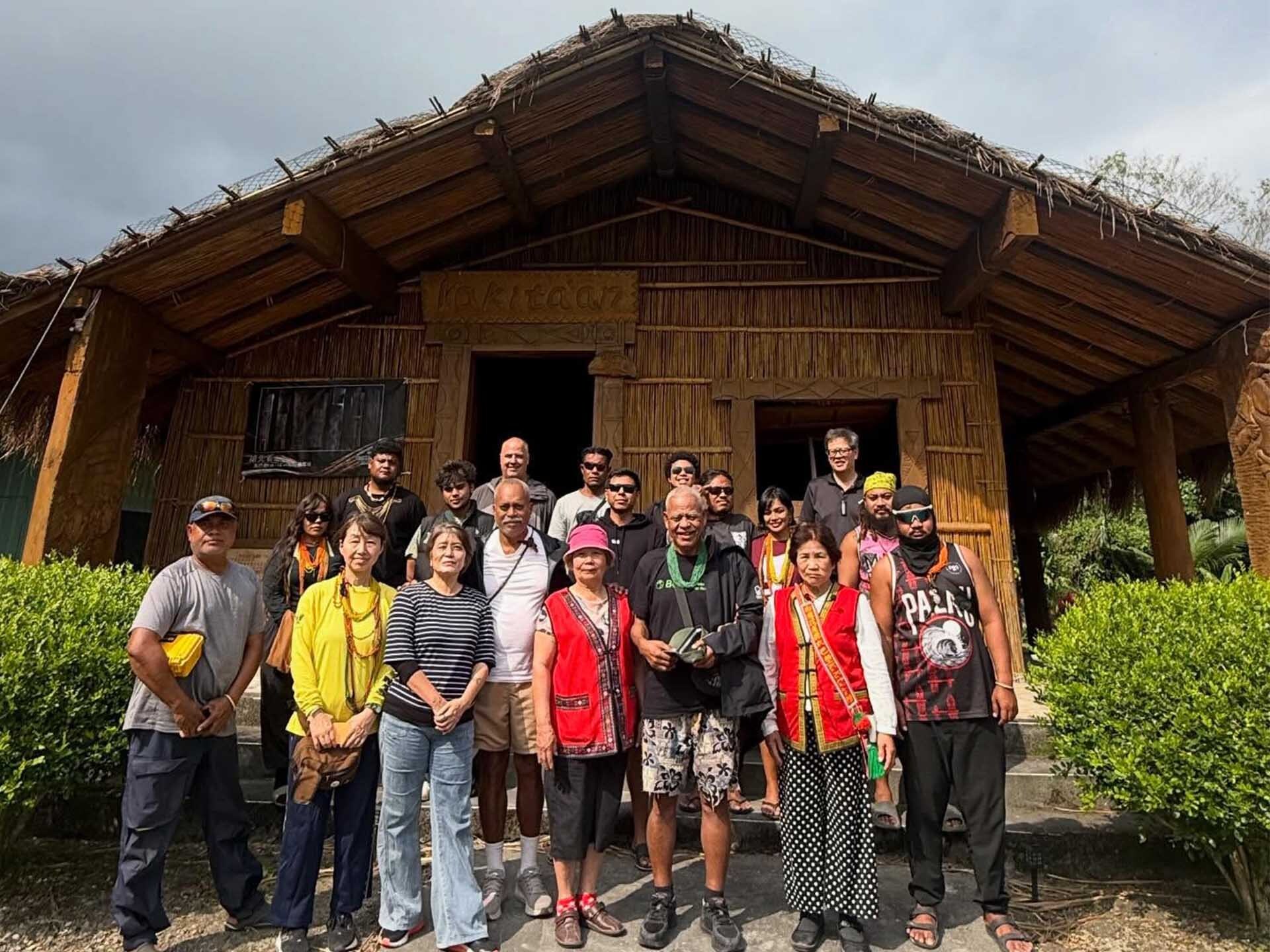
On March 23, the crew visited the Kakita’an ancestral house in the Tafalong Indigenous community, where cultural knowledge holders shared origin stories related to the sea and ocean spirits. The exchange highlighted the interconnectedness between inland valleys and maritime cultures, emphasizing the continuity between land and ocean traditions.
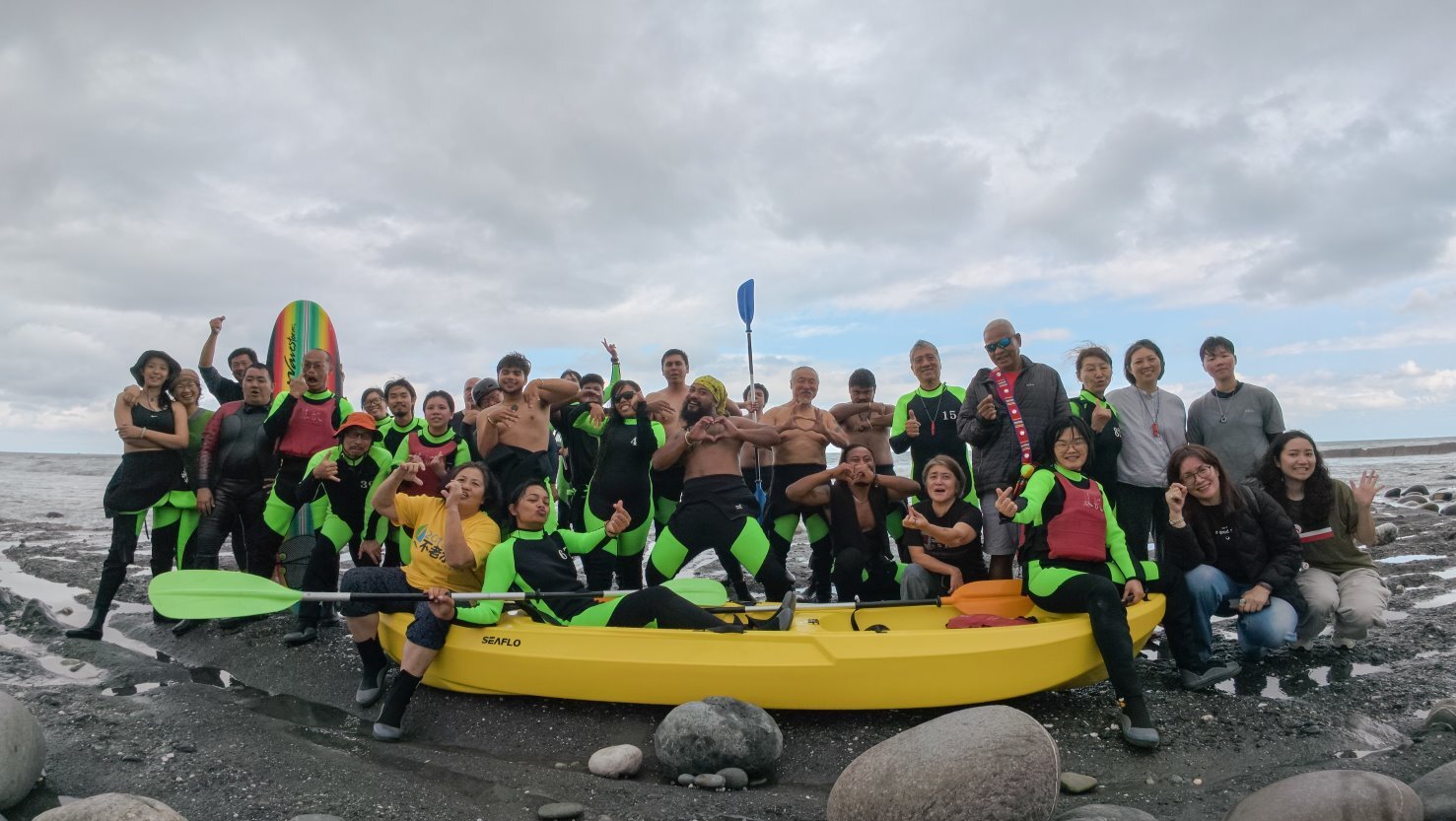
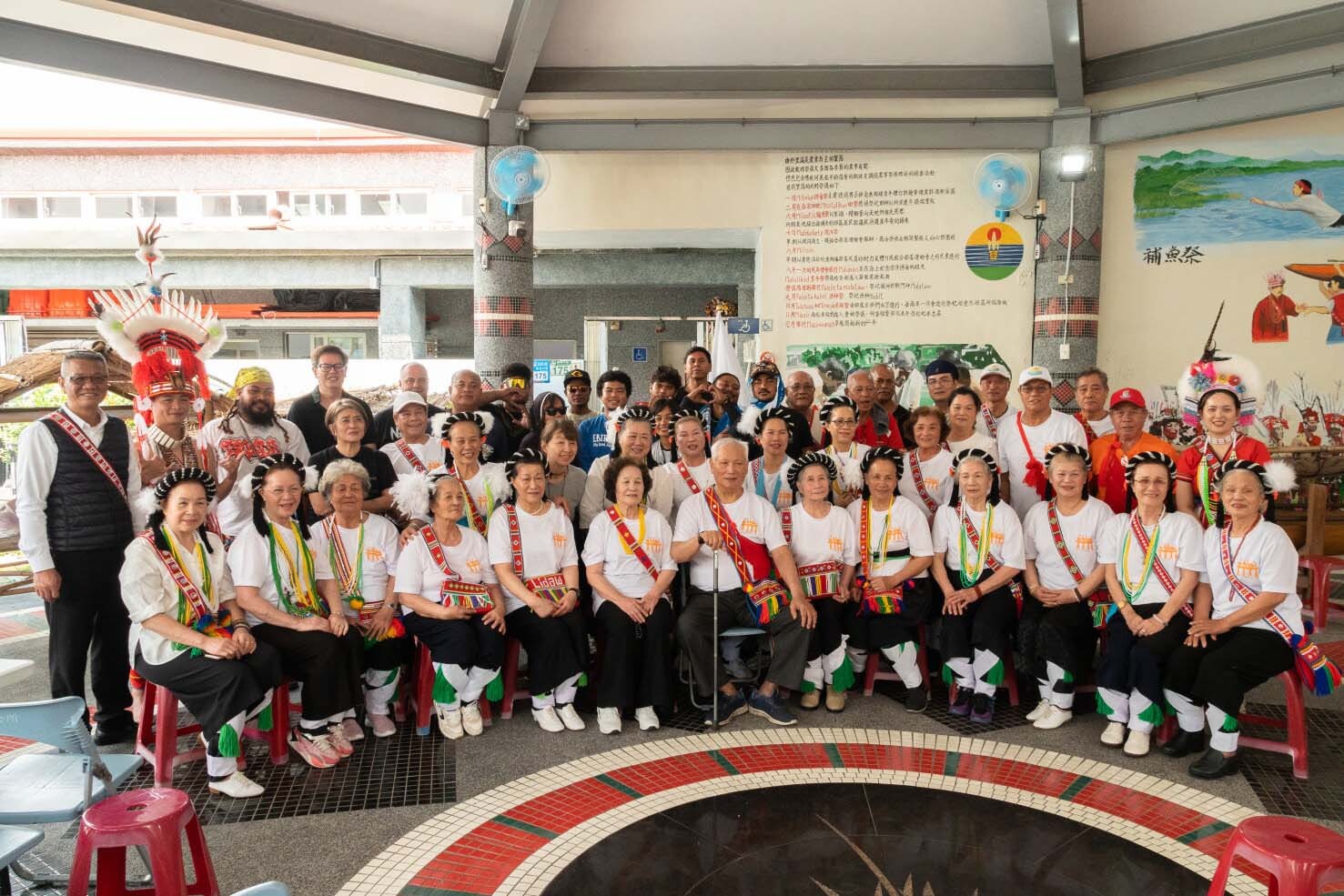
On March 24, the Lidaw community welcomed the voyagers with a Mifetik (blessing ceremony), deepening mutual understanding through ritual and cultural sharing. At midday, the crew shared a meal with elders at the community health station, fostering meaningful intercultural and intergenerational connections. In the afternoon, members of the voyaging crew joined the Jonathan Su Foundation (JSF) for an outrigger canoe experience at sea, led by the funder of JSG, Dr. Su (known as the “Slipper Professor”), emphasizing that voyaging is not merely movement, but a practice of cultural continuity and oceanic coexistence.
Academic Dialogue and Knowledge Co-creation
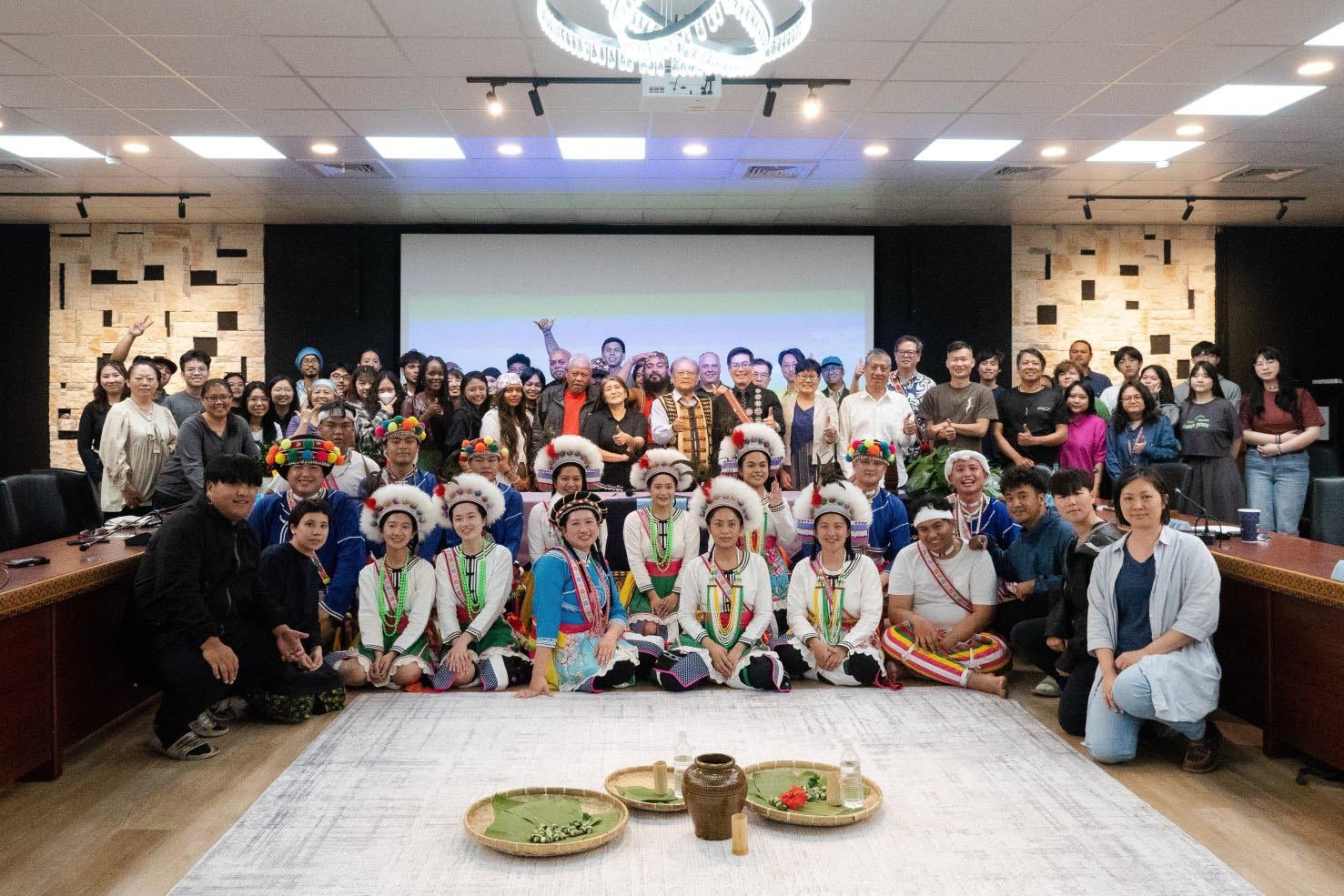
On March 25, the program moved to the College of Indigenous Studies at National Dong Hwa University. The event opened with a blessing ceremony led by Assistant Professor Sifo Lakaw, followed by welcoming remarks and gift presentation by Vice President Chung-Shan Shih (石忠山)on behalf of the university.
A dialogue-based keynote session was then held between Assistant Professor Cheng-Cheng Li and Captain Sesario Sewralur, focusing on traditional navigation knowledge and lived maritime experience. The program also featured a cultural performance by the Indigenous College dance troupe and a nose-flute blessing performed by former Dean Vuvu Masegeseg Zengrur Gadu (童春發).
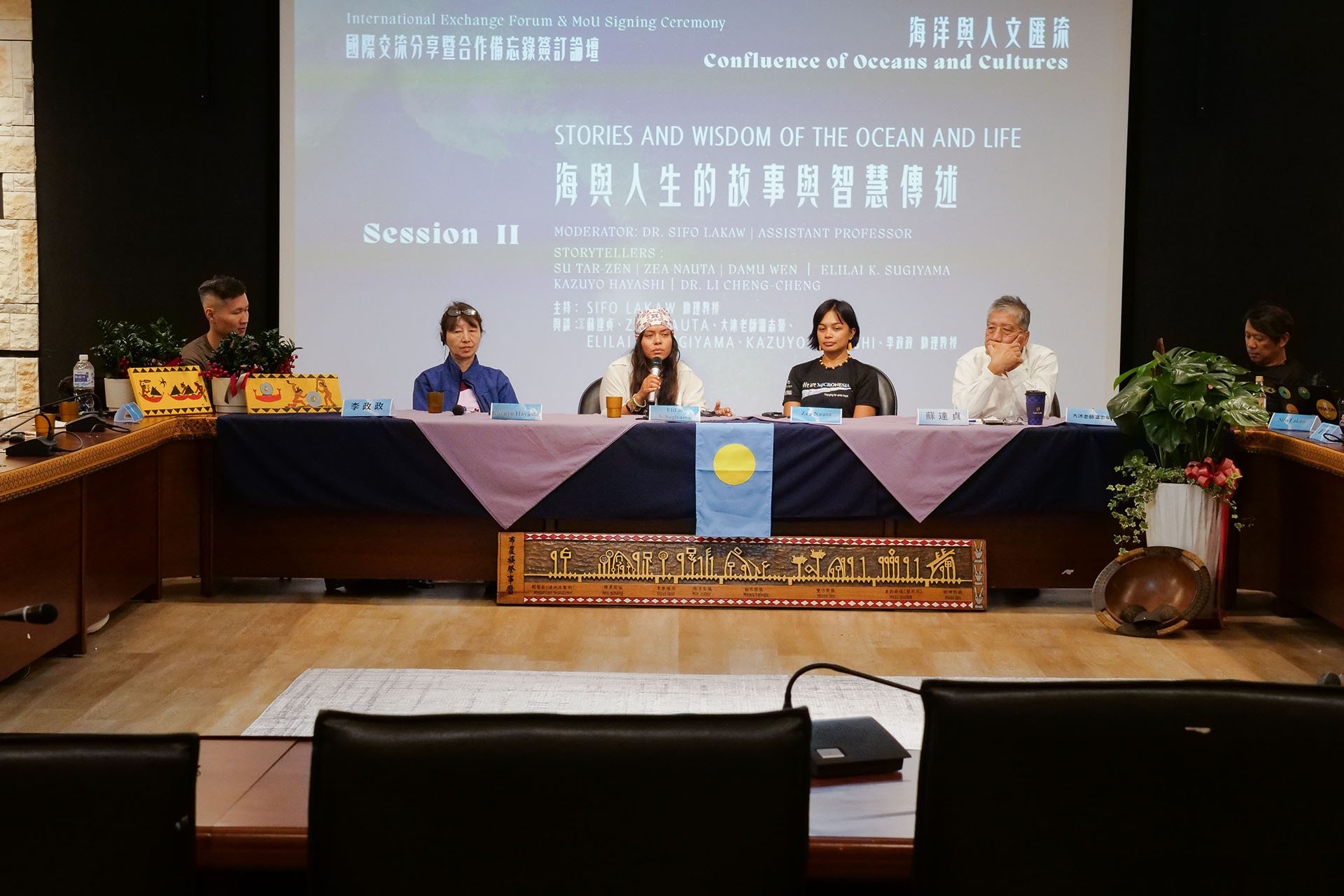
Scholars and practitioners, including Su Tar-Zen, Zea Nauta, DaMu Wen, Elilai K. Sugiyama, Kazuyo Hayashi, and Cheng-Cheng Li, shared perspectives on policy, education, voyaging experience, and decolonial practice. Students from NDHU’s Millet Garden and Bamboo-Hemp House participated in hands-on learning activities, including collaborative work and singing, emphasizing that knowledge is embodied within relationships, environments, and collective practice.
Commitment to Knowledge Sharing and Sustainable Oceans
The Alingano Maisu is not only a contemporary revival of traditional navigation but also a symbol of knowledge sharing and cultural continuity. The name “Maisu” refers to the breadfruit that can be freely shared, representing the openness and mobility of knowledge. Through non-instrument navigation and ocean knowledge practice, the voyage reaffirms non-technologically dependent epistemologies.
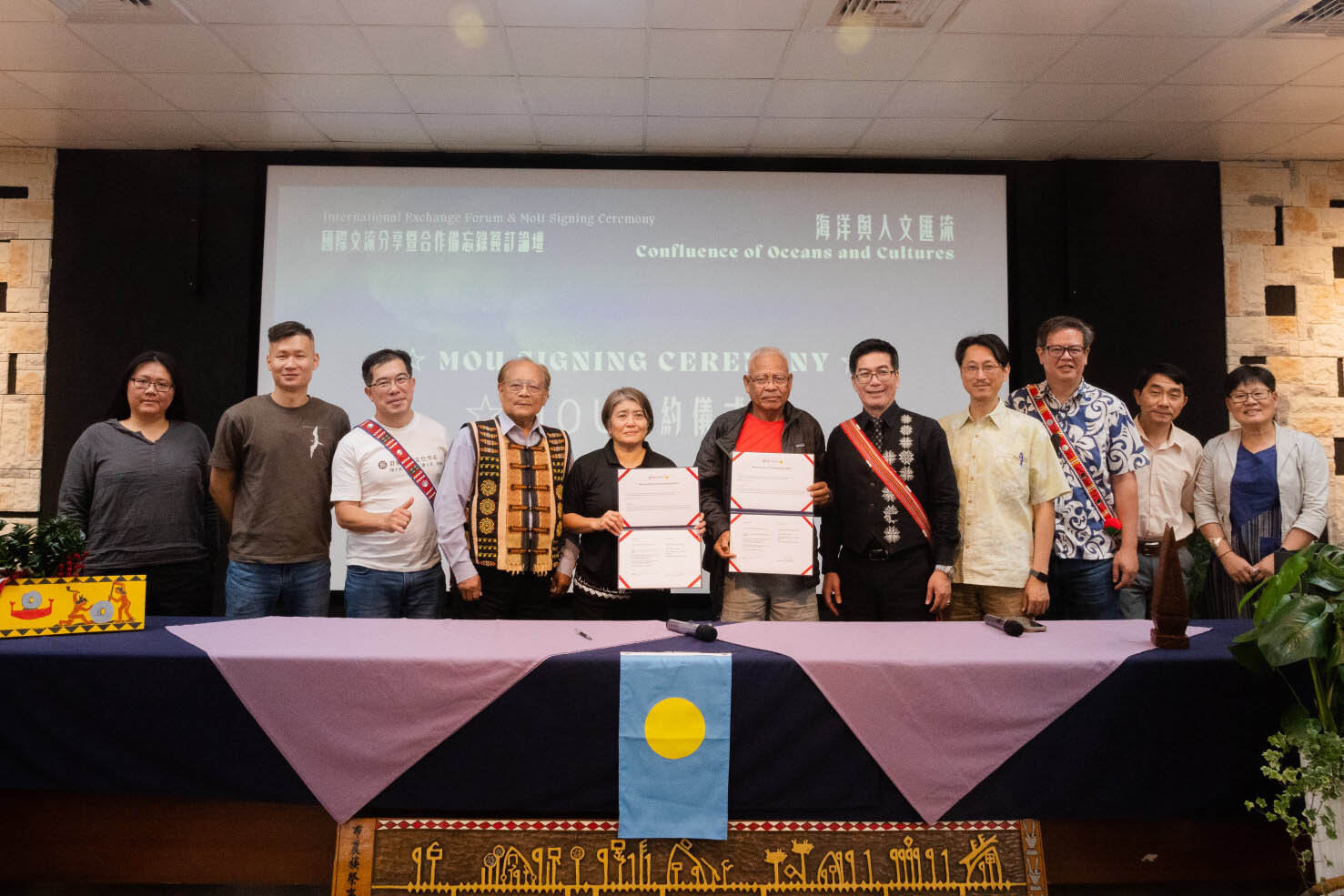
A key milestone of this exchange was the signing of a Memorandum of Understanding (MOU) between Professor Bavaragh Dagalomai (Jolan Hsieh 謝若蘭), Director of CIIA at NDHU, and Captain Sesario Sewralur of MVS. The agreement signifies a long-term commitment to collaboration in education, culture, and sustainable ocean initiatives.
Professor Bavaragh Dagalomai emphasized that this renewed trans-Pacific Indigenous network represents the reconnection of body, culture, and ocean. It also serves as a reminder that for Taiwan as an island nation, “the ocean is not a boundary—it is the pathway that connects us all.”